Levar Walker's Chipotle Incident: What Sparks Such Rage?
By Jasmine Reed, PowerVault Staff Levar Walker, a young 20-year-old employee at a Chipotle in South Miami, is facing several serious charges, including aggravated assault with a deadly weapon. This comes after a shock...
Advertisement

By Jasmine Reed, PowerVault Staff
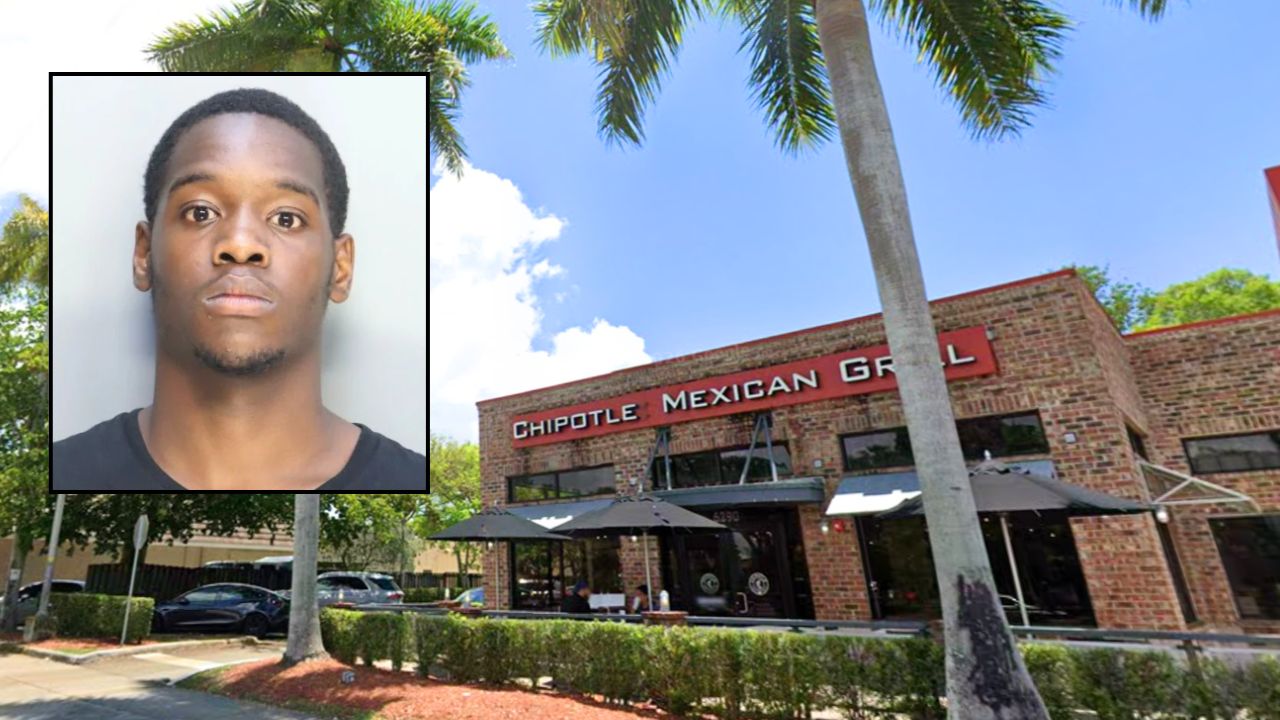
Levar Walker, a young 20-year-old employee at a Chipotle in South Miami, is facing several serious charges, including aggravated assault with a deadly weapon. This comes after a shocking incident where he allegedly threw a knife and glass bottles at his manager. The incident unfolded at the Chipotle located at 6290 South Dixie Highway, a bustling area known for its diverse community and busy establishments. According to Miami-Dade County records, the altercation began when Walker was asked to 'clock out,' a seemingly routine request that escalated into a violent confrontation. This incident has brought to light underlying tensions that can exist in high-pressure work environments and has prompted discussions about workplace safety and mental health.
The Law&Crime report provides a detailed account of the incident, highlighting the volatility of the situation from the onset. Walker's reaction to being told to clock out was not only immediate but also intensely fiery, suggesting deep-seated frustrations. According to the police report, after receiving instructions from his manager, Walker's anger quickly escalated into a physical outburst. Initially, he began by tossing food and kitchen items onto the floor, a prelude to more dangerous actions. This rapid escalation from frustration to violence shows a significant breakdown in workplace harmony and hints at possible tensions or grievances that may have been brewing beneath the surface, raising questions about the working conditions and management practices at the restaurant.
Walker allegedly threw a knife at his manager, but fortunately, it missed its intended target. Undeterred, he then turned to glass bottles as his weapons of choice. Reports indicate that he hurled one bottle with enough force to strike the restaurant's grill, causing damage valued at approximately $150. This act of aggression highlights the intensity of his anger and the potential danger faced by those in his vicinity. The situation continued to escalate as Walker threw a second bottle, this time making direct contact with his manager's shoulder, a move that could have caused significant harm. A witness to the event corroborated these violent acts, adding credibility and weight to the charges being brought against Walker. The video below provides a visual account of the scene as it transpired, capturing the chaos and fear that ensued.
Walker's aggressive behavior reportedly did not cease with just two bottles. According to the arrest report, he proceeded to throw a third glass bottle, emphasizing the ongoing nature of the attack. This third act of violence was accompanied by verbal threats, as Walker allegedly vowed to 'beat up' his manager. Such threats of physical violence, particularly in a workplace setting, are alarming and indicative of a critical failure in conflict resolution. Witnesses present during the altercation testified to hearing Walker make these threats, further corroborated by video evidence. This footage captures the hostile environment and the gravity of Walker's actions, painting a vivid picture of the fear and uncertainty experienced by those present.
Levar Walker is currently held at Miami-Dade Corrections, with his bail set at $6,400. The reasons behind the 'clock out' command remain unclear, but the speed with which the situation escalated suggests that there were deeper issues at play than simply a disagreement over work hours. This incident serves as a stark reminder of the tensions that can simmer beneath the surface in high-pressure environments, eventually boiling over into violence. The task now facing the community and legal systems is to extract valuable lessons from this event, aiming to prevent similar occurrences in the future. This involves addressing the root causes of such conflicts and implementing preventative measures.
This incident at Chipotle is symptomatic of a broader trend of workplace tensions that have increasingly erupted into violence. In recent years, the public discourse has been punctuated by stories of similar conflicts in the service industry, shedding light on systemic issues related to employee management and mental health. In 2018, a similar situation unfolded in New York, highlighting the potential for workplace disputes to escalate into dangerous confrontations. More recently, in 2021, a fast-food worker in Los Angeles found themselves at the center of a volatile incident, further underscoring the fragility of these work environments. These incidents, as reported by Law&Crime, point to a pattern that demands urgent attention and systemic reform.
But this situation transcends the individual actions of Levar Walker.
These incidents highlight a pressure cooker environment where anger boils over when left unchecked.
The violent outburst at Chipotle draws attention to a pervasive issue within the service industry, a sector often plagued by high levels of stress coupled with low compensation. These conditions create a pressure-cooker environment where unresolved tensions can easily boil over into violence. The lack of adequate support systems for employees dealing with daily stressors is a critical factor contributing to such incidents. Without the necessary outlets or interventions, frustrations can manifest in harmful ways, impacting not only the individuals involved but also the broader work environment. This incident shows the urgent need for systemic reforms that prioritize employee well-being and establish effective mechanisms for conflict resolution.
For Chipotle and similar businesses, this violent eruption necessitates a deep introspection into management practices and their role in contributing to employee tensions. Questions arise about the presence and effectiveness of conflict resolution strategies within these organizations. Are managers adequately trained to recognize and de-escalate potentially volatile situations before they spiral out of control? The absence of clear answers is concerning and highlights a potential gap in ensuring the safety and mental well-being of employees. The industry's silence on these critical issues raises alarms, suggesting a pressing need for comprehensive training programs and policies that prioritize the mental health and safety of their workforce.
For the broader community, this situation serves as a poignant reminder of the critical importance of addressing mental health issues with seriousness and urgency. Within the Black community, the stigma surrounding mental health often acts as a barrier, preventing individuals from seeking the help they need. This reluctance to access psychological support can lead to unresolved anger and stress, which may erupt in harmful ways, affecting not only the individuals involved but also their families and communities. Addressing these mental health challenges requires a concerted effort to dismantle stigmas, promote open discussions, and provide accessible resources that empower individuals to seek the support they need.
Race and class dynamics play an undeniable role in shaping the circumstances surrounding this incident. Service industry jobs are frequently filled by workers from marginalized backgrounds, making stark economic disparities evident. These layers of inequality add complexity to incidents like Walker's, reflecting broader societal issues. It's imperative to scrutinize how systemic racism and economic disenfranchisement subtly contribute to such conflicts, setting the stage for tension and violence. Recent events highlight the intersection of these issues with cultural identity, emphasizing the need for a complicated understanding of how race and class influence workplace dynamics. Addressing these disparities requires a multi-faceted approach that tackles the root causes of inequality.
Advertisement
As Levar Walker's case progresses through the legal system, it presents an opportunity for reflection and learning. The critical question remains: will there be genuine efforts to address the root causes of such violent eruptions? Will Chipotle and other companies take proactive steps to implement tangible measures that safeguard against future conflicts? While the answers are uncertain, the imperative to act is undeniable. As we observe this case unfold, the challenge for our community is to ensure that the lessons learned lead to meaningful change, steering us away from merely relegating this incident to a forgotten headline and towards real, actionable solutions.
More from PowerVault Network: