
DJ Screw’s Grey Tapes: Who Owns Houston Rap History?
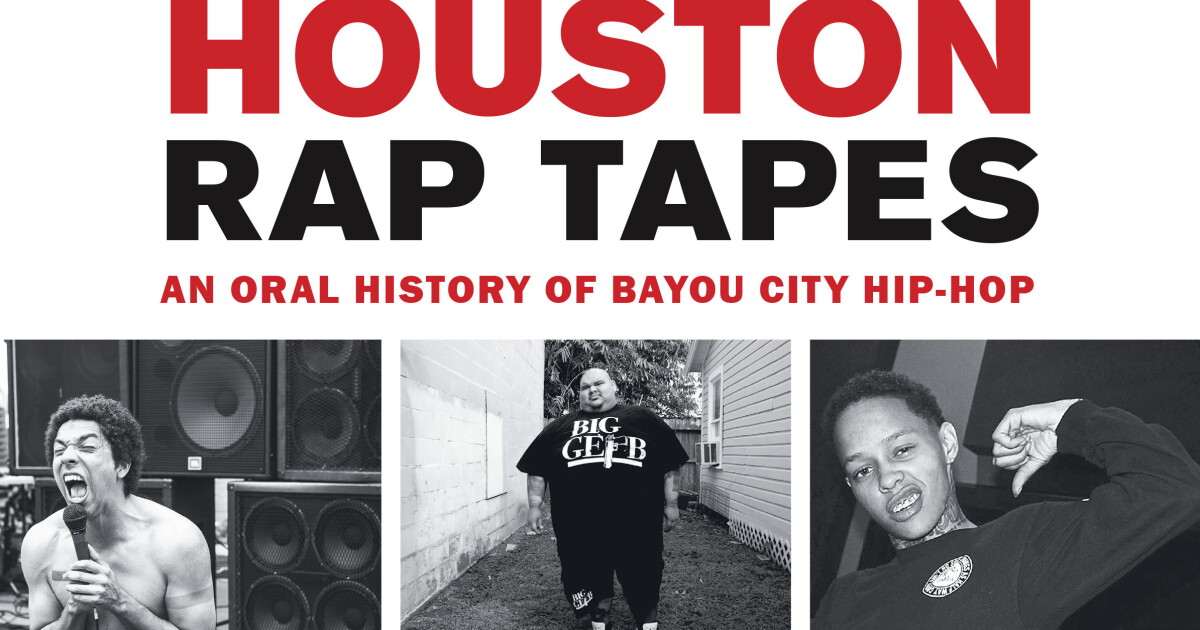
DJ Screw’s grey tapes anchor a Houston rap history that streaming numbers alone cannot explain. Lance Scott Walker’s Houston Rap Tapes: An Oral History of Bayou City Hip Hop gives that history room beyond the familiar...
Advertisement

DJ Screw’s grey tapes anchor a Houston rap history that streaming numbers alone cannot explain. Lance Scott Walker’s Houston Rap Tapes: An Oral History of Bayou City Hip Hop gives that history room beyond the familiar stars. The book follows a city that built its own audience before national gatekeepers paid proper attention. Its bigger challenge reaches past nostalgia: who gets remembered when a neighborhood economy becomes a globally recognized sound? Screw belongs at the center. So do the rappers, producers, promoters and local operators whose work made Houston rap sustainable before outside recognition arrived. Their hometown audience was not a consolation prize. It was the foundation that made everything else possible.
According to Texas Standard’s reporting, Walker began working on the project in 2005, alongside photographer Peter Beste. Earlier versions appeared in 2013 and 2014. The University of Texas Press edition discussed in the report expanded that work through additional interviews and material. Walker, a Galveston native, described a project that kept growing rather than reaching a clean finish. “Basically, I just never stopped,” he told Texas Standard. Starting before the mainstream wave helped them establish relationships before bigger careers made those artists harder to reach. That distinction matters. This was sustained reporting across relationships, not a quick visit after Houston became commercially fashionable. The book includes platinum sellers, but its reach extends well beyond their dressing rooms.
Screw’s place in that story starts with the records themselves. His grey tapes circulated a sound built through slowed playback, repetition, cuts and blends, alongside performances that made local voices feel larger than life. Those choices changed how listeners experienced time inside a song. A familiar record could become something heavier, stranger and unmistakably Houston. Calling that merely a speed adjustment misses the DJ’s judgment: what to repeat, where to interrupt, which voice to put next. That is authorship through arrangement, with the DJ shaping the experience instead of simply letting somebody else’s record play. The tapes also helped listeners discover artists through Screw’s selections rather than a national programmer’s approval. The accompanying video offers another entry point into the subject below.
Watch: the origin of DJ Screw and the Screwed Up Click
Beyond the video, Walker’s interviews explain why Houston could support such a distinct musical world. He points to the city’s size and diversity, describing a place with enough people and creative energy to sustain its own scene. The South’s largest city also drew people from around the world, feeding a cultural mix no outside tastemaker had to invent. “It’s a very fertile, rich, cultural city, as people in Houston, themselves know,” he told Texas Standard. The national business did not immediately reward that abundance. Walker says local rappers “fended for themselves,” making records, releasing them through their own labels and building their own infrastructure. Those details change the usual success story. Houston was already producing value before outsiders decided that value deserved a larger platform.
The interview list also challenges the habit of treating fame as the only useful historical credential. Texas Standard notes that Walker spoke with recognizable names such as Paul Wall and Bun B, alongside artists with much smaller profiles. “A lot of people that I interview in the book haven’t ever really been interviewed before,” Walker said. That opens a different kind of record. Walker contrasted those conversations with seasoned stars who already know the interview game and do not necessarily open up. A local artist can explain how a scene worked without ever having secured a national hit. Promoters and producers can describe the labor behind an audience. Their memories should not become disposable simply because their names never appeared near the top of a chart.
The dates make the stakes plain. DJ Screw died in 2000, before the Houston breakthrough that brought a fresh wave of national attention. Mike Jones released Who Is Mike Jones? In 2005. Paul Wall’s The Peoples Champ and Bun B’s Trill arrived that same year. Their success did not create Houston rap from scratch. Rap A Lot Records, founded by J. Prince in 1986, had already helped establish a powerful independent Southern business through artists including the Geto Boys. Screw developed another essential lane through his tapes and collaborators. Walker began collecting material around that 2005 breakthrough, giving the project a vantage point on both the celebration and the history behind it. He described working backward through that history while watching the breakthrough unfold. That approach kept the national arrival from swallowing the local timeline that actually explained how Houston got there.
The industry loves discovering Black ingenuity after Black communities have already paid to keep it alive.
A streaming catalog is a storefront, not a complete family album.
For the people inside this history, credit needs to be more precise than a tribute graphic. Naming Screw without explaining his decisions turns a working artist into a logo. Naming only Houston’s biggest sellers makes everybody else look like background scenery. Neither approach respects how records actually reach listeners. Someone organized the session, moved the tape, booked the appearance or introduced the next voice. Oral history can preserve those contributions without pretending every participant had equal influence. Interviewing people who rarely get asked about their work gives those details a chance to survive beyond somebody else’s passing shoutout or album acknowledgment. The same question runs through PVN’s examination of who benefits when Wu Tang Clan receives institutional recognition: does the celebration explain the work, or simply borrow its prestige?
For the business, Houston’s history demands a sharper definition of ownership. Selling a tape directly can give an artist immediate revenue and customer access. It does not automatically settle every right attached to the music. A recording has master rights; the underlying song has separate publishing rights. Using an existing recording can require permission involving both. That distinction matters when older mixes meet modern licensing systems. A distribution agreement can put recordings into stores and onto platforms, but distribution alone does not clear the underlying material or establish ownership of it. Independence creates leverage, but paperwork determines how much survives a later deal or release. Calling someone an owner without checking which rights they control does artists no favors. Praise should never replace an accounting of what can legally earn money.
For listeners raised on streaming, the challenge is resisting the app’s version of musical memory. A streaming catalog is a storefront, not a complete family album. Availability can depend on licensing, delivery decisions and agreements listeners never see. Missing music is not proof that the music lacked an audience or influence. Nor can today’s play counts measure every tape passed between listeners before platforms existed to count those exchanges. The dashboard starts too late for that. PVN’s discussion of why Spotify access matters for Drake’s Hate Sleeping Alone connects to that wider problem of discovery. A younger Houston fan should not need a rare upload to learn who shaped a familiar sound. Books, credited archives and conversations with elders can supply context an algorithm cannot reliably deliver.
Race and class also shape whose memories become official history. Walker addressed his and Beste’s position directly: “Being a couple white guys coming into the neighborhood, we felt very welcomed and we felt very lucky to be there.” They brought samples of their work to interviews and photo sessions, giving people something concrete to judge rather than asking for trust on arrival. Access deserves acknowledgment, but access alone does not settle the ethics. Black communities have repeatedly supplied American music’s raw material while others secured lasting institutional authority. Any archive deserves scrutiny over whose voices lead, how contributors are credited and who can afford the finished work. The answer is not excluding careful outside researchers. It is refusing the assumption that a university imprint automatically outranks the knowledge already living on the block.
The next test is whether attention becomes preservation people can actually use. Houston’s rap history needs original recordings protected, credits checked and surviving participants heard before another wave of memories disappears. Fans can start by looking past the biggest names and asking who introduced them to those names. Publishers, libraries and music institutions should make this history accessible to the communities that produced it. Walker’s work offers one substantial route into that conversation, not the final word on the city. Houston never needed permission to build its sound. Its people should not need permission to define what that sound meant.
Advertisement
More from PowerVault Network:
