Jarmon Mattix's Death: A Tragic Reminder of Racial Tensions in America
By Simone Walker, PowerVault Staff On a crisp October night, the Fall Creek Sports Complex was alive with the sounds of community spirit and friendly competition. Families gathered to watch, children played nearby, an...
Advertisement

By Simone Walker, PowerVault Staff
On a crisp October night, the Fall Creek Sports Complex was alive with the sounds of community spirit and friendly competition. Families gathered to watch, children played nearby, and players enjoyed the camaraderie that comes from a shared love of the game. The evening was filled with laughter and friendly banter, with the crack of a bat occasionally punctuating the air. But beneath this veneer of normalcy, tensions simmered just out of sight. What started as a joyful gathering quickly spiraled into a nightmare, leaving one family shattered and a community grappling with the aftermath. The tragic events of that night have since become a grim testament to the volatility that can erupt from underlying societal tensions.
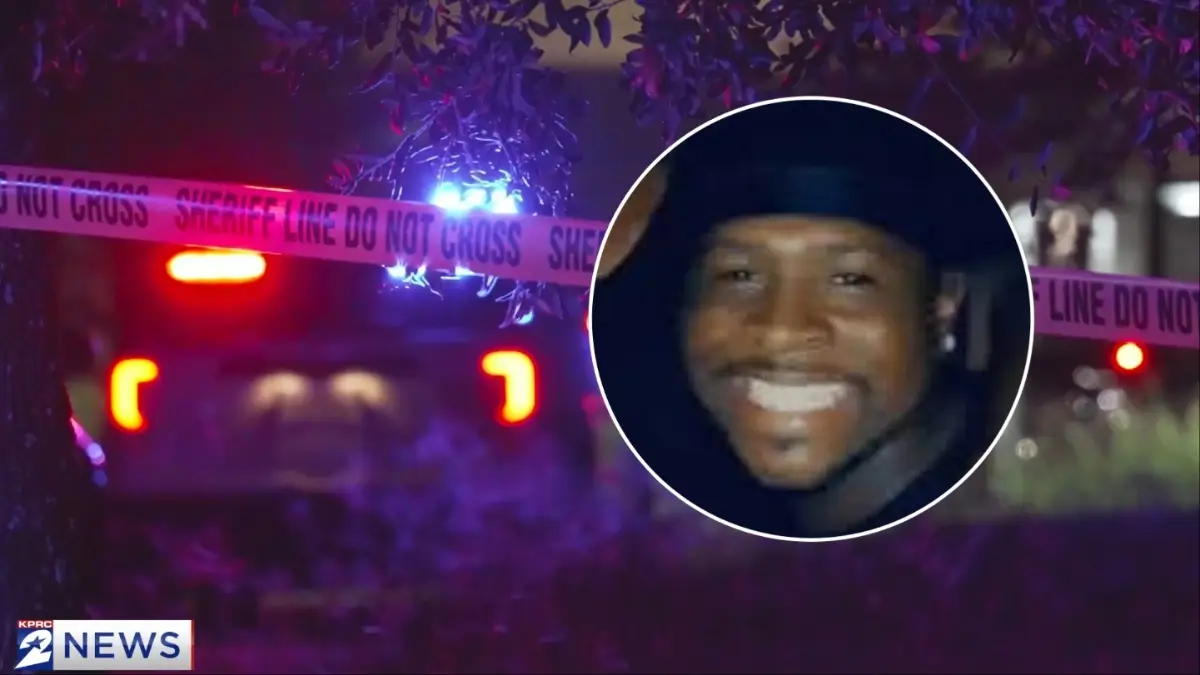
Jarmon Mattix's life, dedicated to his family and marked by hard work, was tragically ended in the parking lot of a Humble, Texas suburb on October 18. Known as a devoted father of three, Mattix was a truck driver who had recently celebrated a promotion, proof of his dedication and perseverance. The incident unfolded after an argument between two groups, which escalated into a deadly exchange of gunfire. Local authorities have labeled the confrontation as a mere dispute, but Destiny Williams, Mattix's sister, recounts a more sinister narrative. She insists that racial slurs were hurled just before the shots were fired, adding a chilling layer to the evening's events and raising questions about the true nature of the altercation.
Destiny Williams, present at the scene, offers a harrowing account of the events, describing how a man began shouting racial epithets. This verbal assault served as a precursor to the violence that followed, captured in chilling footage that has since circulated online. Despite her testimony, the Harris County Sheriff's Office has yet to officially categorize the incident as racially motivated. This reluctance has left the family feeling alienated and frustrated, as the lack of acknowledgment from authorities adds to their grief and anger. The absence of clear communication during those critical first hours only compounded their pain, leaving them questioning the thoroughness and transparency of the ongoing investigation.
The night that claimed Jarmon Mattix's life thrust his family into a desperate quest for answers. Emergency responders arrived swiftly, pronouncing Mattix dead at the scene. Meanwhile, his wife and mother, according to Williams, suffered injuries and were transported to the hospital with wounds deemed non-life-threatening. As they sought to piece together the evening's tragic events, family members found themselves detained by law enforcement. This unexpected and harsh treatment added another layer of trauma, leaving them not only mourning the loss of a loved one but also grappling with a sense of injustice and mistreatment by those who should have been their allies in seeking the truth.
Destiny's recount of the tragic evening paints a picture of chaos and systemic failure. Her sister-in-law's desperate attempt to perform CPR on Mattix was abruptly interrupted as officers forcibly removed her from the scene, dragging her away in a display of insensitivity and disregard for her distress. Williams expressed deep frustration with the authorities' handling of the situation, highlighting the lack of empathy and procedural shortcomings. She called for a rigorous investigation, urging those in power to show accountability and ensure justice is served. Her family's plea is a cry for dignity and fairness, a demand that their suffering not be compounded by neglect and bureaucratic indifference.
Jarmon Mattix's untimely death is a stark reminder of the persistent racial tensions that plague many American communities. This incident is not isolated but part of a broader pattern of racially charged violence that continues to surface across the nation. High-profile cases, such as the 2020 murder of George Floyd and the more recent road rage incident in Atlanta, highlight systemic failures in addressing race-based violence. These events show the urgent need for a justice system that not only recognizes but actively addresses racial motivations. Without this acknowledgment, we risk perpetuating a cycle of violence and injustice that continues to disproportionately impact communities of color.
And so, we must ask: when will these stories stop being a part of our narrative?
In a society still grappling with its racial demons, the bloodshed at Fall Creek signals a need for deeper introspection about the role of race in everyday conflicts.
The justice system has a troubling history of overlooking racial undertones until they manifest in irreversible tragedies. In many cases, racial motives are only acknowledged after the fact, leaving communities with a sense of betrayal and unaddressed grievances. The possibility that racial slurs may have played a role in Mattix's death should prompt immediate and thorough investigation. This case should serve as a wake-up call for law enforcement, urging them to proactively explore racial dynamics from the start. Only by doing so can we hope to prevent similar tragedies and begin to rebuild trust in a system that has long failed to protect the most vulnerable among us.
For the community, the events surrounding Jarmon Mattix's death serve as a sobering reminder of the racial tensions that can erupt into violence without warning. The alleged use of racial slurs points to a deeper societal issue that demands attention and action. Communities of color must continue to demand accountability and transparency in investigations involving race, as these incidents often reveal systemic biases that go unaddressed. The collective call for unity and resilience in the face of such adversity is crucial. By standing together, communities can push for meaningful change and ensure that incidents like these are not simply relegated to the annals of history as yet another example of racial injustice.
In a society still wrestling with its racial challenges, the tragedy at Fall Creek shows the need for a deeper understanding of how race influences everyday conflicts. The death of Jarmon Mattix, much like Angel Reese's journey through the world of sports, highlights the systemic barriers that Black individuals face in predominantly white environments. These barriers are not confined to one arena; they pervade many aspects of life, often with deadly consequences. It is imperative to create spaces where cultural differences are celebrated rather than feared, and where diversity is seen as a strength rather than a source of conflict. Only then can we hope to prevent such senseless loss of life.
Advertisement
The racial and economic dynamics in Humble, Texas, are microcosms of broader national issues. Here, as in many American suburbs, racial diversity intersects with economic disparity, creating an environment ripe for conflict. These underlying tensions can escalate into violence if left unaddressed, as seen in the tragic case of Jarmon Mattix. The failure to tackle these disparities head-on not only endangers lives but also perpetuates a cycle of mistrust and division. To prevent further tragedies, it is essential to confront these issues with honesty and determination, fostering communities where equity and justice are not just ideals but realities.
As the investigation into Jarmon Mattix's death continues, his family and the community remain in a painful limbo, awaiting answers and justice. The question that looms over this case is whether the justice system will rise to the occasion and deliver the accountability that is due, or if it will become just another unresolved incident of racial violence. The task before us all is to remain vigilant, to demand justice, and to ensure that Mattix's legacy is one of change and reform. At a time when such stories too often fade into mere headlines, we must strive for a future where justice and healing are attainable for all.