FAMU Homecoming Shooting: What Happened and What It Means for the Community
By Malik Carter, PowerVault Staff A 15-year-old, Anthony Rivers III, faces severe charges following a shooting that turned a celebration into a night of chaos outside Florida A&M University. The Tallahassee Police Dep...

Advertisement

By Malik Carter, PowerVault Staff
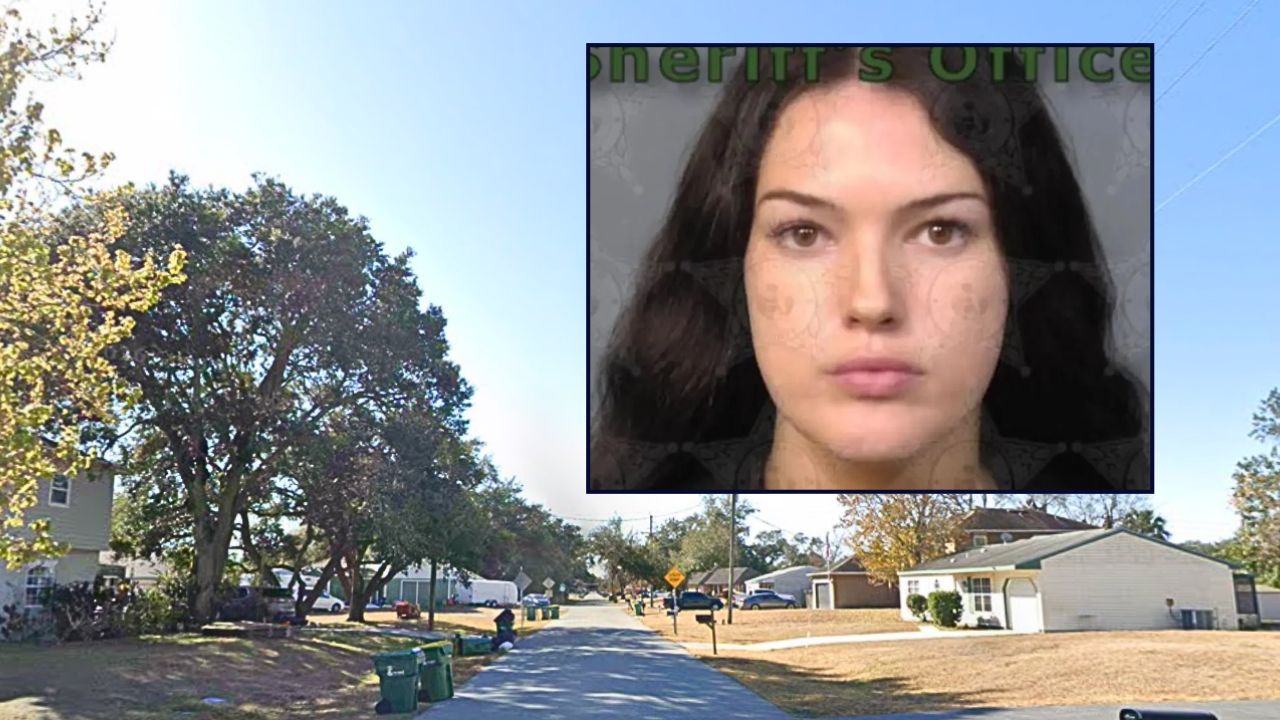
A 15-year-old, Anthony Rivers III, faces severe charges following a shooting that turned a celebration into a night of chaos outside Florida A&M University. The Tallahassee Police Department confirmed that Rivers is charged with 11 counts of attempted second-degree murder. The charges come in the aftermath of an incident where shots rang out near the university's football stadium during the much-anticipated homecoming festivities. This event, meant to celebrate achievements and foster community spirit, was instead marred by violence that left devastation in its wake. The charges against Rivers, which also include possession of a firearm by a delinquent, are serious and reflect the gravity of a situation that has left a community grappling with fear and uncertainty. The legal process will now unfold, with many watching closely for justice to be served.
According to CBS News, the shooting incident left 12 people injured, among them six children, casting a shadow over what should have been a celebratory event. Eleven of these victims sustained gunshot wounds, while another individual suffered injuries in their desperate attempt to flee the scene. This tragic event unfolded amidst a crowd of hundreds, who had gathered to partake in the homecoming festivities, a time traditionally associated with joy and camaraderie. Instead, the gathering was violently disrupted, leaving a sense of terror and confusion in its wake. The sudden eruption of gunfire not only injured individuals but also scarred a community, turning what was meant to be a joyous occasion into a nightmare that will linger in the collective memory of those present.
Investigators from the Tallahassee Police Department have indicated that the violence erupted following a dispute between individuals who were known to each other, clarifying that none of the victims were intended targets of the shooting. This revelation is particularly chilling, as it shows the random nature of the injuries sustained by the innocent bystanders caught in the crossfire. A physical altercation between the involved parties spiraled out of control, escalating into gunfire that reverberated throughout the area, creating a ripple effect of fear and chaos. The social post linked below captures the harrowing aftermath and the community's immediate reaction to this senseless act of violence that has left many questioning the safety of public gatherings.
Chief of Police Lawrence Revell has publicly expressed the department's commitment to securing justice for the victims and their families. While the arrest of Anthony Rivers III represents a significant step forward in the case, Revell emphasized that the investigation is ongoing and far from complete. The community remains vigilant, seeking answers and accountability as more details continue to emerge. Revell’s remarks reflect a broader determination to address the root causes of such violence and prevent future incidents. His commitment to transparency and justice is crucial for restoring a sense of safety and trust within a community that has been deeply shaken by this tragic event.
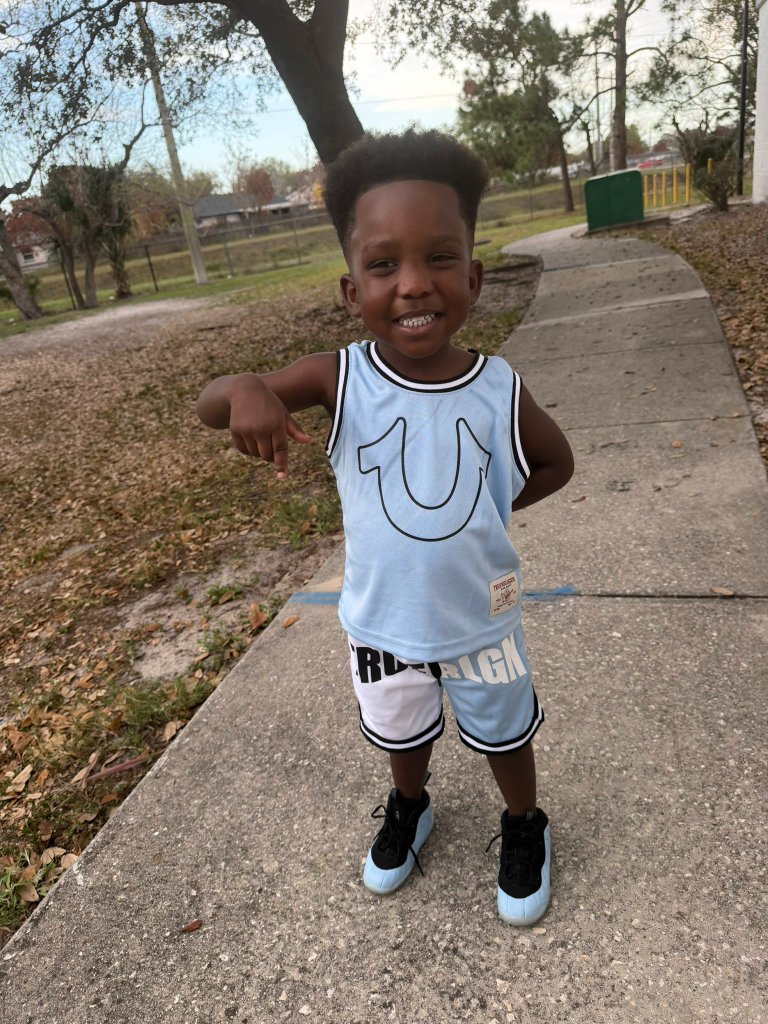
Details from WCTV provide a sobering account of the shooting's impact, revealing that three victims sustained severe injuries, with one remaining in critical condition. The youngest victim, a mere 11 years old, shows the tragic reach of this violence into the lives of the community's most vulnerable members. The educational institutions within the area have also felt the trauma, prompting Leon County Schools to initiate counseling services for students affected by the shooting. The emotional and psychological scars left by such an event are profound, affecting not just those directly injured but the wider community as well. The video segment linked below captures the extent of this trauma and the urgent need for support and healing.
Tragic incidents like this shooting at Florida A&M are not isolated occurrences; rather, they echo a disturbing pattern where community celebrations are disrupted by violence. Historically, gatherings in marginalized communities have been particularly vulnerable to such disruptions, highlighting systemic issues that remain unaddressed. The deadly shooting during New Orleans' Mardi Gras weekend in 2018 serves as a grim parallel, demonstrating how spaces intended for joy and unity can be shattered by unforeseen violence. These patterns show the need for a comprehensive examination of the societal structures that allow violence to permeate events meant for communal bonding and celebration, leaving lasting scars on communities already burdened by systemic inequalities.
The pattern of violence is distressingly clear across such events.
Our children are caught in a cycle of violence that the system should protect them from, not perpetuate.
These incidents compel us to question the systemic failures in policing and community protection. If police forces prioritized proactive community engagement over reactive enforcement, would we witness fewer tragedies like the one at Florida A&M? This question merits serious consideration, especially given the recurring nature of such violent incidents. Historically, a lack of deep-rooted community ties within law enforcement has often led to mistrust and inefficacy in preventing crime. By fostering genuine relationships and understanding within the communities they serve, police departments could potentially mitigate tensions and prevent disputes from escalating into violence, thereby protecting gatherings intended to be safe havens for celebration and unity.
Furthermore, we must confront the societal conditions that ensnare young individuals like Anthony Rivers III in cycles of violence. Our children, who should be nurtured and protected by the system, find themselves instead caught in a web of violence and systemic neglect. Rivers' arrest, while a crucial development in the pursuit of justice, highlights the broader systemic failures that leave our youth vulnerable to such destructive paths. Addressing these issues requires a layered approach that includes investment in education, community programs, and mental health services, all aimed at providing young people with the support and opportunities they need to thrive and break free from cycles of violence.
Florida A&M's community, like many across the nation, is no stranger to the devastating ripple effects of gun violence. Both the university's president and its head coach have publicly condemned the senseless acts that have marred their community, calling for an urgent end to such violence. Their heartfelt appeals, captured in the video linked below, reflect a community's deep frustration and its desperate desire for meaningful change. These voices represent not only a call for immediate action but also a plea for long-term solutions that address the root causes of violence and foster a safer, more supportive environment for all members of the community.
Advertisement
This incident lays bare the deeper issues of racial and socioeconomic disparities that continue to plague our society. Historically, Black communities have faced a dual burden: over-policing on one hand and inadequate protection on the other, creating an environment where safety is neither assured nor prioritized. The disparity in both response and preventative measures shows a systemic neglect of Black lives, revealing the urgent need for reform. Addressing these disparities requires a commitment to equitable resource allocation, policy changes that prioritize community-driven policing, and a holistic approach that tackles the economic and social factors contributing to violence in marginalized communities.
As the investigation progresses, the calls for justice grow ever more insistent. The focus must now shift towards implementing policies that genuinely safeguard our communities and holding institutions accountable for their roles in perpetuating cycles of violence. This incident should mark a turning point for systemic change, transforming outrage into actionable reform rather than becoming another tragic entry in a long list of unheeded warnings. Our community deserves more than fleeting expressions of sympathy; it demands sustained action and dedicated commitment to creating a safer, more equitable society for all its members.