Katherine Kelly's Alleged Shooting: Jealousy, Guns, and Systemic Questions
By DeShawn Price, PowerVault Staff Katherine Kelly, a 24-year-old from Cocoa, Florida, reportedly took a chilling step in a moment of presumed betrayal. The incident unfolded when Kelly, allegedly discovering her boyf...
Advertisement

By DeShawn Price, PowerVault Staff
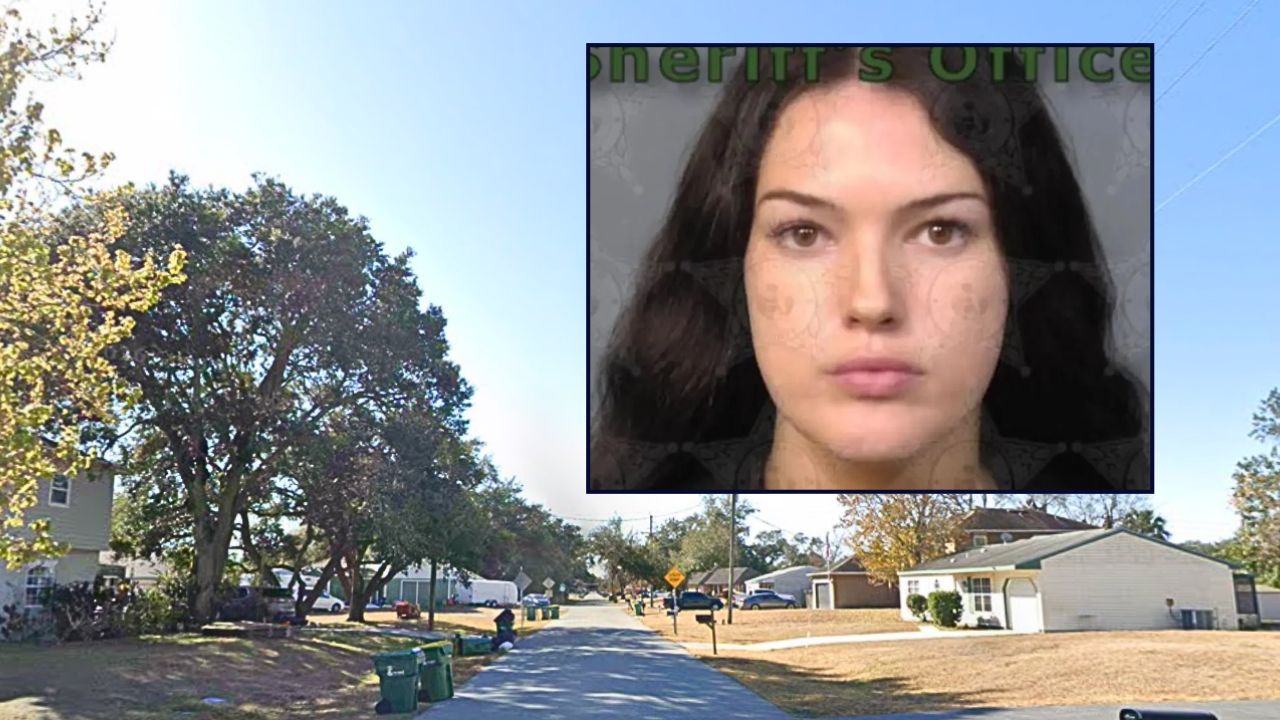
Katherine Kelly, a 24-year-old from Cocoa, Florida, reportedly took a chilling step in a moment of presumed betrayal. The incident unfolded when Kelly, allegedly discovering her boyfriend in the company of another woman, pulled out a pink and black Glock 43 and fired at the alleged mistress. According to the Brevard County Sheriff's Office, this act of violence shows the dangerous intersection of personal vendettas and easy access to firearms. In a society where infidelity can trigger extreme emotional responses, the questions raised go beyond individual actions to broader societal attitudes and systemic vulnerabilities. This shocking episode compels us to examine how personal disputes are handled and how quickly they can escalate into life-altering violence.
The sequence of events paints a dramatic and troubling picture, as detailed by Law & Crime. Kelly allegedly tracked her boyfriend's location through his phone, revealing the extent of her suspicion and mistrust. Fueled by anger and betrayal, she took an Uber to confront him, a decision that set the stage for the violent encounter. Upon arriving and finding him with another woman, Kelly allegedly fired her weapon in a fit of rage. This incident, occurring in the early hours of October 24th, didn't just disrupt a quiet Florida neighborhood; it transformed it into a crime scene, illustrating how quickly private turmoil can spill into public spaces. The premeditated nature of her actions suggests a deep-seated desperation, turning what could have been a verbal confrontation into a near-tragic event.
According to the arrest affidavit, Kelly's boyfriend and the victim were parked in an open field when Kelly approached the scene. In what appears to be a moment of intense emotion, she allegedly retrieved her firearm from her purse and fired into the vehicle, striking the woman in the shoulder. The affidavit reveals a complex and volatile situation, where Kelly initially claimed self-defense, a justification often invoked in the heat of such conflicts. However, her subsequent admission that the act was intended to 'make a point' about her boyfriend's infidelity suggests a calculated decision rather than a spontaneous reaction. This shift in her narrative raises important questions about the reliability of self-defense claims and the motivations that drive individuals to violence.
The victim recounted that she was invited by Kelly's boyfriend to 'hang out' that night, a seemingly innocent gesture that quickly escalated into violence. As events unfolded, the situation spiraled out of control, culminating in a violent confrontation marked by accusations and gunfire. Text messages exchanged between Kelly and her boyfriend provide a window into her state of mind, revealing a deep-seated belief in his repeated infidelity. Notably, Kelly's messages to her boyfriend, including 'Ur a f, ing cheater,' reflect not only her suspicion and anger but also a profound sense of betrayal. These communications highlight the emotional volatility and mistrust that can fester in relationships, sometimes leading to dangerous outcomes when left unchecked.
Kelly's decision to track and confront her boyfriend was further complicated by the unauthorized use of her own vehicle, which her boyfriend had taken without her consent earlier that day. This added another layer to the already tangled narrative of trust issues and personal violations. By reporting the vehicle's unauthorized use to the police, Kelly brought to light the underlying tensions and conflicts in her relationship. The police affidavit captures her admission of the shooting, as well as her justification rooted in a belief in karma, suggesting she saw her actions as a form of justice or retribution. This mindset reveals the psychological and emotional dynamics at play, illuminating how personal grievances can manifest in destructive behavior.
This incident isn’t an anomaly; it echoes a troubling pattern of crimes fueled by personal vendettas, exacerbated by the widespread accessibility of firearms. Similar incidents, like the 2022 shooting at a FAMU Homecoming, highlight a repeating cycle where emotional extremes lead to tragic outcomes. Each event forces a reflection on the societal conditions that allow personal strife to escalate into community violence. These situations show the failure to address underlying issues such as jealousy, mistrust, and the ease of resorting to violence. As long as guns remain readily accessible and emotional conflicts are not constructively addressed, our communities will continue to witness these devastating patterns of behavior.
These tragedies compel us to look deeper than surface-level conclusions, urging a comprehensive examination.
This is more than about Katherine Kelly's actions; it's a stark reminder of how personal grievances can spiral into violence.
This is more than about Katherine Kelly's actions; it's a stark reminder of how personal grievances can spiral dangerously into violence. In a society where firearms are easily accessible, arguments that might have ended with harsh words can quickly become life-threatening scenarios. The availability of guns transforms personal disputes into potential tragedies, highlighting the urgent need for systemic change. Without stricter gun control measures and improved conflict resolution resources, such incidents will persist, weaving a dark thread through the fabric of society. It's imperative to address these underlying issues to prevent future tragedies and create a safer environment for all.
The justice system's role in this scenario is crucial and cannot be overlooked. When personal disputes turn violent, it exposes a potential gap in preventative measures and highlights the need for change. Legal frameworks must evolve to predict and mitigate such crises before they unfold, ensuring that individuals are protected and conflicts are resolved peacefully. If the system fails to adapt, personal safety remains at risk, and justice often feels elusive or delayed. A proactive approach is necessary to safeguard communities and ensure that justice is both swift and fair, preventing further escalation of personal conflicts into violent acts.
For readers and the broader community, stories like Kelly's serve as cautionary tales, reminding us of the emotional volatility lurking beneath relationships. The potential for escalation when rational thought is clouded by anger is a real and present danger. The call to action extends beyond individuals managing personal grievances more peacefully; it encompasses the broader need for communities to foster environments where dialogue prevails over violence. By promoting communication and understanding, we can work towards preventing similar incidents and creating a more harmonious society that prioritizes peaceful conflict resolution over aggression.
Advertisement
The racial and socio-economic undertones of these incidents deserve thorough scrutiny. While the media often sensationalizes stories involving people of color, the deeper issues of inequality, access to education, and economic stressors are frequently overlooked. These factors contribute significantly to the broader narrative of violence and justice, highlighting systemic disparities that must be addressed. Recognizing these underlying issues is essential to understanding the full context of such incidents and working towards solutions that promote equity and reduce violence. Acknowledging and addressing these disparities can lead to more effective interventions and a more just society.
As the legal proceedings against Katherine Kelly unfold, they will explain the complexities of her actions and motivations. The path forward for her and others involved is uncertain yet critical in determining how society addresses conflicts that escalate from personal to public. This case should prompt us to reconsider our approaches to conflict resolution and the systemic changes needed to prevent similar occurrences. By reflecting on these events, we can work towards preventing future tragedies and fostering a safer, more understanding community that prioritizes peaceful resolutions over violence.