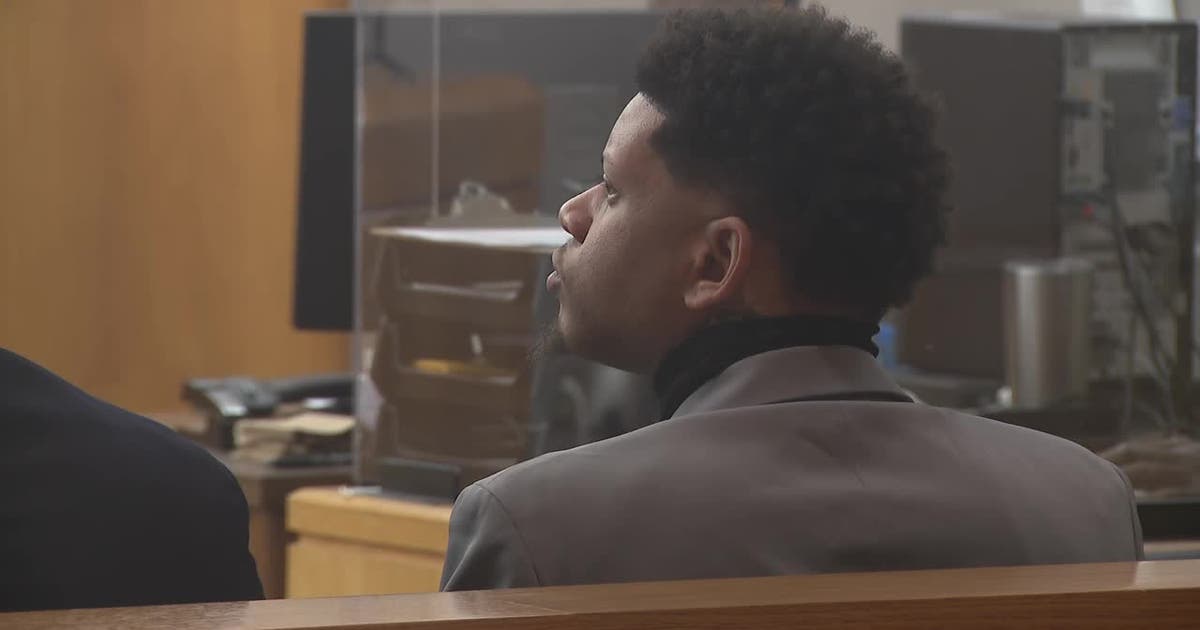
Lachevis Finnie Charged with Fatal Hit-and-Run: A Look into the Systemic Failures
By Simone Walker, PowerVault Staff Seventeen-year-old Lachevis Finnie finds himself at the center of a deeply troubling case after allegedly striking and killing 6-year-old Mariana Espinoza with his car, then fleeing...
Advertisement

By Simone Walker, PowerVault Staff
Seventeen-year-old Lachevis Finnie finds himself at the center of a deeply troubling case after allegedly striking and killing 6-year-old Mariana Espinoza with his car, then fleeing the scene. The tragedy unfolded in Charlotte, North Carolina, where a community is now grappling with the loss of a young life. Finnie faces felony charges of hit-and-run causing death, a charge that shows significant failures both on an individual level and within broader systemic structures. This incident raises urgent questions about the effectiveness of our legal and societal mechanisms in preventing such tragedies, as well as the role of accountability in ensuring justice for those most vulnerable. The impact on Mariana's family and the wider community is profound, highlighting the need for meaningful change.
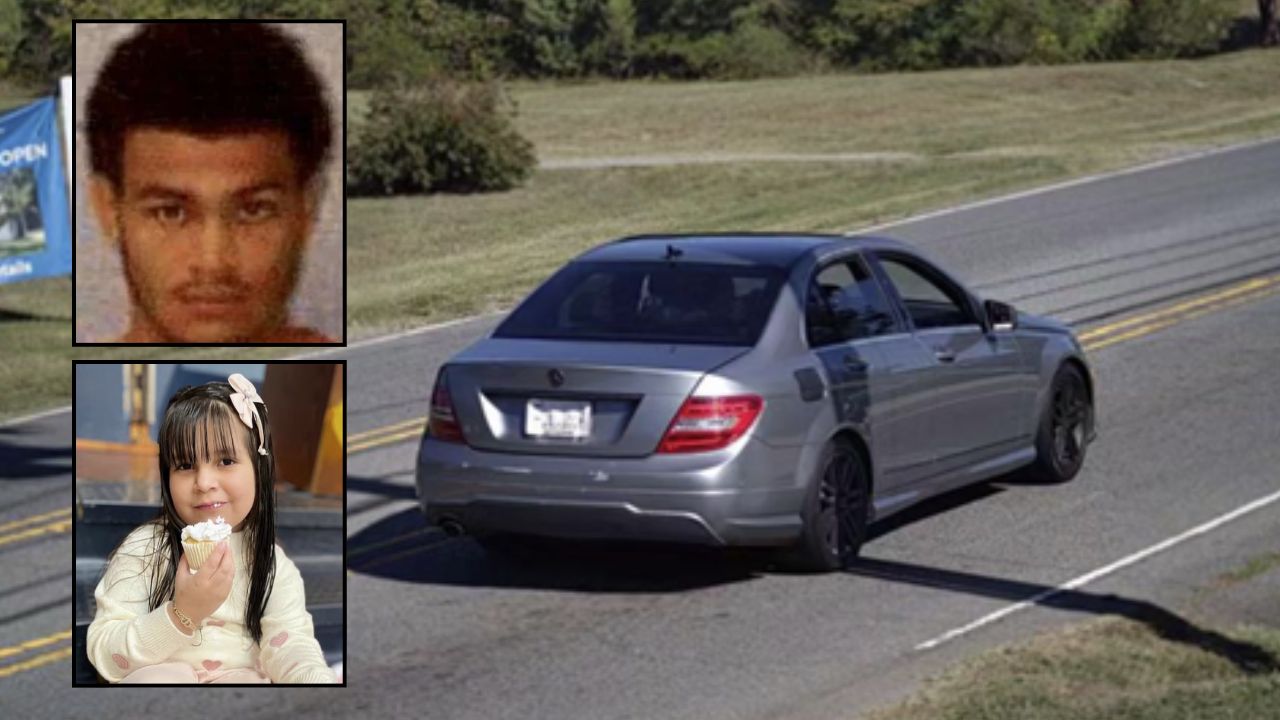
According to reports from the Charlotte-Mecklenburg Police Department, the incident occurred on a Friday afternoon as Mariana had just stepped off her school bus. The moment was meant to be routine, yet it turned catastrophic as she was struck by a vehicle, leaving her with life-threatening injuries. The six-year-old, who was a student at Devonshire Elementary School, died a day after the crash, a loss that has reverberated throughout her community. Police acted swiftly, identifying the vehicle involved, a gray 2013 Mercedes-Benz C250, through surveillance cameras that captured the incident. These cameras proved crucial in tracing the vehicle's path and ultimately led to the identification of Finnie as the driver, highlighting the importance of surveillance in modern policing.
The driver, Lachevis Finnie, was discovered behind the wheel of the heavily damaged vehicle on Monday. Despite being unlicensed, Finnie had access to a high-powered vehicle, raising questions about oversight and responsibility within his household and the broader community. During an interview with law enforcement, he reportedly confessed that something had darted in front of his car, leading to the collision. Finnie claimed fear as his reason for fleeing, yet his admission does little to absolve him of the responsibility of stopping to render aid. His actions after the collision, rather than the collision itself, are central to the felony charge he now faces. Finnie's cooperation with police following his arrest may factor into future legal proceedings, but it cannot undo the consequences of his initial decision to flee.
The surveillance footage played a crucial role in piecing together the events leading to Mariana's tragic death. This evidence, captured by multiple cameras, provided a clear narrative of the incident, allowing law enforcement to establish a timeline and identify the vehicle involved. Despite the clarity of evidence, the case shows broader concerns about vehicular safety and accountability in our communities, particularly when young drivers are involved. Finnie's account of events was brought to light during his arrest, which was marked by his cooperation with the police investigation. However, cooperation after the fact does not mitigate the initial decision to flee, which left Mariana without immediate aid. This case highlights the importance of accountability and the need for stringent measures to prevent similar tragedies.
Following his arrest, Finnie's court appearance resulted in a $2.5 million secured bond and an order for a mental health evaluation, reflecting the gravity of the charges against him. His next court date is set for November 17, a day anticipated by a community in mourning, as they seek justice for a young life lost too soon. The legal proceedings now hold a community captive, underscoring the immense emotional and social impact of Mariana's death. The broader implications of this incident are immense, with community members rallying for change and demanding accountability. As the case unfolds, the community's reaction, captured in the video below, illustrates the deep-seated frustration and grief felt by those who knew Mariana and those who are simply moved by the senseless nature of her loss.
This heartbreaking incident is not an isolated one; it shows a troubling pattern of systemic oversight and lack of accountability. The community has been here before, questioning how such tragedies seem to disproportionately affect them. Historical cases like the 2023 FAMU Homecoming Shooting reveal a similar pattern of systemic neglect where lives are lost, and families are left to pick up the pieces. These incidents highlight a systemic failure to address and remedy the underlying issues, such as inadequate traffic safety measures and insufficient driver education, which contribute to preventable tragedies. The recurring nature of these events demands a comprehensive evaluation of existing protocols and a commitment to implementing effective changes that prioritize the safety and well-being of all community members, particularly those most vulnerable.
The question that needs answering is this: How many more children need to die before systemic change is prioritized?
This tragic incident is a critical reminder of how our community is repeatedly let down by systemic failures at multiple levels.
For the community, this is more than just a legal case; it is a reflection of a justice system that often fails to protect the most vulnerable. There is growing frustration over the perceived leniency and systemic cracks that allow unlicensed teenagers like Finnie to drive powerful vehicles with devastating consequences. The lack of stringent checks and balances in place raises serious concerns about public safety. Community members are questioning why such oversight failures persist, and what measures can be implemented to prevent similar incidents in the future. This case is a stark reminder of the need for comprehensive reform, not just in terms of legal accountability, but also in ensuring that young drivers are adequately educated and monitored to prevent further tragedies.
On a systemic level, this tragedy calls into question the effectiveness of our legal and educational systems in imparting responsibility to young drivers. Why was Finnie, unlicensed, even in the possession of a vehicle of this caliber? Legal loopholes and inadequate enforcement of driving regulations contribute to these kinds of tragedies that scar communities forever. The fact that an unlicensed teenager had access to a high-powered vehicle points to a failure in oversight, both at the familial level and within broader regulatory frameworks. It raises urgent questions about the enforcement of driving regulations and the need for more stringent measures to ensure that only qualified individuals are behind the wheel. Addressing these systemic issues is crucial to preventing future tragedies and ensuring community safety.
This incident also highlights the need for a cultural shift. The disproportionate impact of such events on Black and marginalized communities often goes underreported. The coverage of Mariana's death needs to reflect the urgency with which we address these systemic failures to prevent future tragedies. We need media to move beyond sensationalism and focus on the hard questions, much like in the recent Ye's Yeezy fashion show coverage, which went beyond mere spectacle. By centering the stories of those directly affected and examining the underlying systemic issues, media can play a pivotal role in driving awareness and change. This approach not only honors the memory of victims like Mariana but also helps to foster a more informed and engaged public, capable of advocating for meaningful reforms.
The racial and socioeconomic dynamics in this case cannot be ignored. Finnie's access to a Mercedes-Benz despite lacking a license says a lot about privilege and accountability. At the same time, Mariana's death reminds us of the continued vulnerability of minority communities, where systemic failures in policing and justice are starkly evident. These dynamics show the need for a layered approach to reform, one that addresses not only legal and regulatory shortcomings but also the broader societal inequalities that exacerbate these tragedies. By acknowledging and addressing these disparities, we can work towards a more equitable system that prioritizes the safety and well-being of all community members, regardless of their racial or socioeconomic background. This case serves as a critical reminder of the urgent need for such change.
Advertisement
This tragic incident is a critical reminder of how our community is repeatedly let down by systemic failures at multiple levels. As we look to the forthcoming trial, we must make sure Mariana Espinoza’s death is not in vain. This should serve as a catalyst for real change in how our system addresses these preventable tragedies. It is imperative that we not only address the immediate legal ramifications but also engage in a broader dialogue about the systemic reforms needed to prevent future incidents. By holding those in power accountable and advocating for comprehensive changes, we can honor Mariana's memory and work towards a safer, more just community for all. The stakes are high, but the potential for meaningful, lasting change is within reach.
The coming weeks will be crucial as the legal proceedings unfold. The community's hope is that this case will spark a broader conversation about systemic reform and create urgency for change. What we do now could define the safety and protection of our communities moving forward. Let's not repeat history, let's change it.