Georgia vs. Alabama: The Game That Transcends the Gridiron
By Tanya Brooks, PowerVault Staff The air was thick with anticipation as fans flooded into Tuscaloosa, Alabama, their excitement palpable and the sense of history inescapable. The clash between Georgia Bulldogs and Al...
By Tanya Brooks, PowerVault Staff
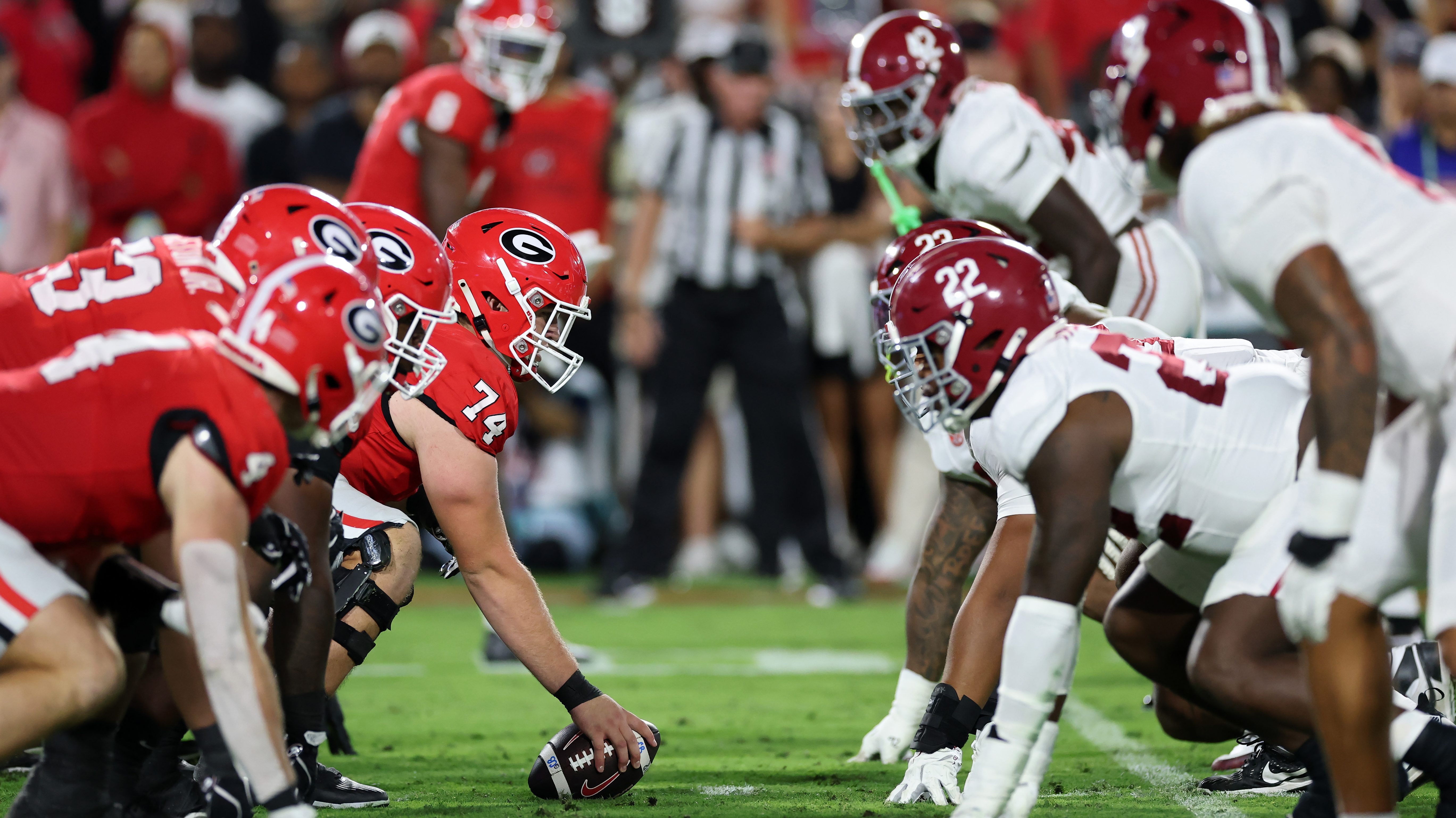
The air was thick with anticipation as fans flooded into Tuscaloosa, Alabama, their excitement palpable and the sense of history inescapable. The clash between Georgia Bulldogs and Alabama Crimson Tide wasn't just another game; it was a moment where college football, politics, and racial dynamics intersected under the glaring lights of Bryant-Denny Stadium. This wasn't merely a contest of athletic prowess but a convergence of cultural and political significance. Here, every cheer was a reverberation of decades-old rivalries and contemporary contests of power, echoing the long-standing tension between tradition and progress. The atmosphere was electric, charged with the knowledge that this game was more than just sport, it was a cultural event that held the potential to influence conversations far beyond the field.
This Saturday, college football's titans, No. 2 Georgia and No. 6 Alabama, face off in what ESPN has called the most important game of the year. But this is more than a battle for the SEC championship, it’s a reflection of deeper societal currents. As reported by ESPN, Alabama's campus is abuzz, not just with tailgates and team spirit, but with political undertones that could shape national conversations, especially with former President Donald Trump in attendance. His presence brings an added layer of complexity, as it shows the intersection between sports and politics, where decisions made on the field echo into broader societal issues. The energy on campus is palpable, proof of the high stakes and the powerful narratives that this game encapsulates.
The teams, dominating the SEC for over a decade, aren't just fighting for supremacy on the field. They're symbols in a broader narrative where sports intersect with policy and political ambition. Nick Saban, Alabama's legendary coach, is a vocal advocate for the Protect College Sports Act, a piece of legislation that could redefine the college sports scene if it gets through the House. His advocacy suggests a deeper understanding of the evolving dynamics of college athletics, where the rights and wellbeing of student-athletes are finally receiving the attention they deserve. Saban's presence emphasizes this game’s importance beyond touchdowns and field goals. The post below from CNN sets the stage for this high-stakes meeting, highlighting the significant cultural and legislative shifts that are at play.
The Protect College Sports Act sets the scene for a national debate. If passed, this legislation will establish standards for medical coverage, revenue sharing, and player transfers, theoretically safeguarding athletes while offering antitrust protection for the NCAA. This dual nature of the bill is what makes it such a lightning rod for controversy. On one hand, it promises much-needed reforms that could address some of the long-standing inequities in college sports. On the other hand, critics argue that it might further entrench the NCAA's power, limiting the potential for real change. This game, with Trump in the stands, amplifies the stakes as political and athletic worlds collide, serving as a reminder of the broader socio-political implications of sports legislation.
Trump’s relationship with sports and athletes has always been fraught with complexity. From criticizing figures like LeBron James and Colin Kaepernick to mingling with athletes like Tiger Woods, his presence in Tuscaloosa is loaded with meaning. This encounter isn't just about supporting Southern football; it's a calculated nod to a state where Black athletic prowess and political movements have shaped its history. Trump's attendance is not merely symbolic; it is a strategic move, aligning himself with the cultural significance of college football while simultaneously courting a voter base that values tradition. The YouTube clip below captures the charged atmosphere, reflecting the intricate dance between sports and politics that plays out in the public arena.
Historically, the intersection of sports and politics has often spotlighted racial dynamics. Alabama itself has been a battleground for civil rights, where Black athletes have not only excelled but have become pivotal figures in the fight for equality. This game echoes past moments when sports arenas became stages for political discourse. Remember the 1968 Olympics with raised fists or Kaepernick's kneeling during the anthem? Each act reshaped narratives, just as this game might. The current moment is a continuation of that legacy, where the actions and achievements of athletes extend beyond the field to challenge societal norms and inspire change. The potential for this game to influence public dialogue and perceptions cannot be understated, making it a significant event in both sports and social history.
Football, for all its pageantry, is a microcosm of American society.
In the world of college sports, the games are just one part of a much larger story, a story about power, politics, and the fight for equity.
For the athletes on the field, predominantly Black, this is more than about ranking or pride. It’s an arena where they handle systemic challenges that mirror societal inequities. While many are hailed for their prowess, they also face the harsh realities of an industry that often profits off their labor without fair compensation. The discussion around the Protect College Sports Act brings these issues to the forefront, questioning whether proposed reforms genuinely aim to uplift athletes or merely maintain the status quo. As Saban champions for college sports reform, one must consider the broader implications of these changes and whether they will lead to genuine progress or simply serve as a veneer of equality without addressing the root causes of inequity.
In the industry, the stakes are equally high. College football is a billion-dollar enterprise, and decisions made now will shape its future. The Protect College Sports Act could disrupt existing paradigms, impacting everything from recruitment to athlete representation. It’s a step toward addressing some injustices, but skepticism remains. Will these reforms lead to meaningful change, or simply appease dissent without altering power dynamics? The potential for transformative change is immense, but history has shown that legislative efforts often fall short of expectations. The video below explores this tension, highlighting the complex interplay of interests and the delicate balance between maintaining tradition and pushing for progress in the world of college sports.
For the Black community, this game is more than a Saturday night spectacle. It’s a reminder of how deeply rooted racial inequality is in American institutions, even those that claim to celebrate diversity and talent. The presence of political figures at such events can either highlight or overshadow the athletes themselves, turning them into pawns in a larger game of optics and influence. In the world of college sports, the games are just one part of a much larger story, a story about power, politics, and the fight for equity. This narrative is deeply intertwined with the struggle for recognition and respect, where athletes must continuously assert their agency and handle a scene that often seeks to exploit their talents for broader agendas.
Racial and class tensions simmer beneath this spectacle. Alabama’s storied past is one of struggle and resilience, and this game encapsulates a broader battle for representation and fairness in sports. The athletes, primarily young Black men, are at the forefront of this fight, challenging the structures that have long sought to limit their potential while exploiting their talents. They embody the ongoing struggle for equity and justice, demanding to be seen as more than just athletes but as individuals with voices that matter. This game serves as a microcosm of the larger societal issues at play, where the pursuit of justice and equality remains a continuous battle against entrenched systems of power.
As the whistle blows and the game concludes, the implications of this encounter will linger. Will the Protect College Sports Act pass, and if so, what real change will it usher in? Beyond the final score, the real victory lies in the conversations spurred by this moment. Tuscaloosa’s night under those bright stadium lights might just be the beginning of a more inclusive and equitable era for college sports. As we look forward, let’s challenge ourselves to ensure that the athletes are not just players in a game, but architects of its future. Their stories and struggles highlight the need for ongoing advocacy and reform, reminding us that the fight for justice and equality in sports is far from over.