Giannis Antetokounmpo: What the Bucks Must Answer For
By Simone Walker, PowerVault Staff Giannis Antetokounmpo helped Miami hand Milwaukee its worst start in franchise history, turning a reunion into a hard question about the Bucks’ foundation. The team that once built a...
Advertisement

By Simone Walker, PowerVault Staff
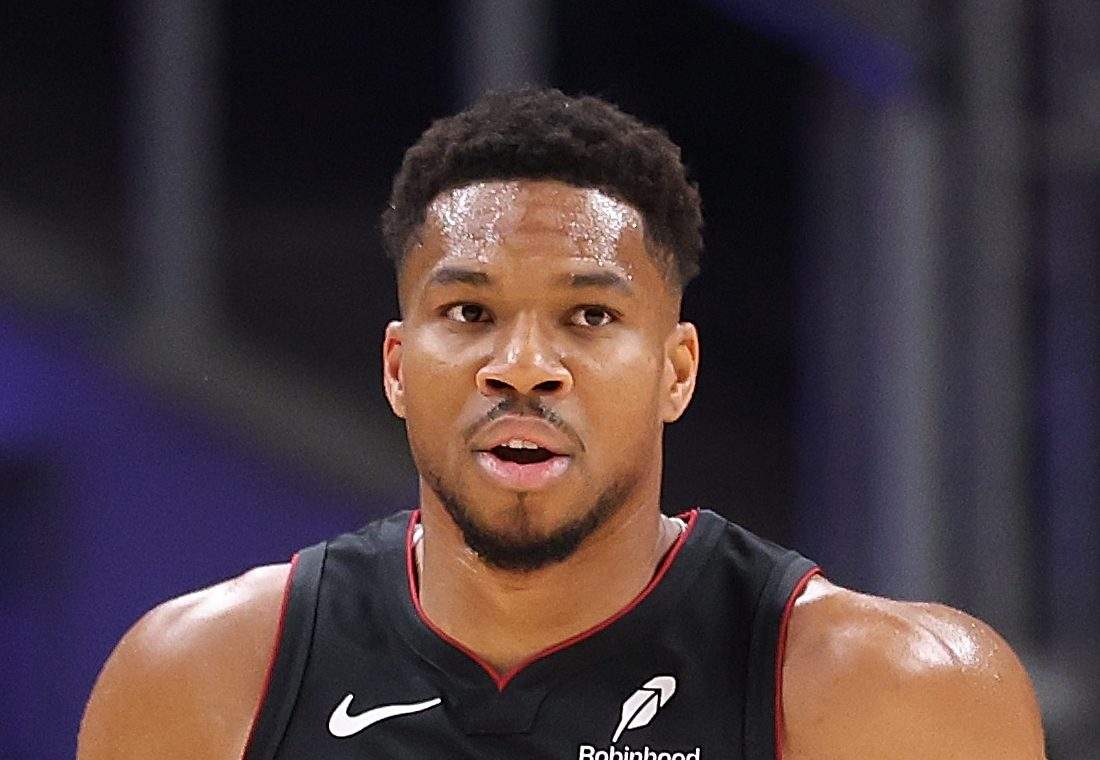
Giannis Antetokounmpo helped Miami hand Milwaukee its worst start in franchise history, turning a reunion into a hard question about the Bucks’ foundation. The team that once built around him now has to explain what remains without him.
According to The Sporting News’ report, Miami’s 137 to 130 victory dropped Milwaukee to one win through 15 games. The Bucks have lost 11 straight, their longest skid since November 2013, when Antetokounmpo was beginning his NBA career. Those numbers belong in any assessment of Milwaukee’s current condition, but they cannot explain that condition alone.
Antetokounmpo scored 27 points and delivered nine assists. Bam Adebayo added 26 points, including 21 before halftime, and Davion Mitchell contributed 24. Miami collected its sixth consecutive victory. The NBA’s post below puts Antetokounmpo’s near triple double at the center of the reunion.
That post celebrates an individual performance, which is exactly what a league highlight account does. The more useful detail for understanding Miami is the help around him. Adebayo and Mitchell supplied scoring that kept this from being a one man production. Antetokounmpo could lead without having to account for every answer.
For Antetokounmpo, the basketball significance needs no invented revenge speech. He produced against his former team, and his current team won again. Nothing supplied here establishes his private feelings about Milwaukee’s collapse. The accompanying video below offers another entry point into a reunion that deserves more than an assumed motive.
Video can capture a possession or an expression. It cannot establish why a player left, what ownership promised, or whether a roster decision made financial sense. Those distinctions matter because the easiest version of this story makes Antetokounmpo the entire explanation. His performance deserves attention without turning him into evidence for claims nobody has documented.
Milwaukee’s record instead demands an institutional accounting. What was the plan for remaining competitive without the player who helped define more than a decade? How was responsibility divided between roster construction and player development? PVN’s examination of trust in basketball offers a related frame: relationships matter, but organizations still owe people a workable structure.
Black excellence should not become an excuse for institutions to stop explaining themselves.
The racial stakes belong in that discussion without pretending this result proves discrimination. Black excellence should not become an excuse for institutions to stop explaining themselves. A Black superstar’s ability to lift a franchise can make weak decisions harder to see. Commentary about leadership becomes incomplete when it examines the player more closely than the people building his team.
Fans deserve better than a loyalty test disguised as analysis. Milwaukee supporters can value Antetokounmpo’s years there and demand answers from the franchise now. Those positions do not conflict. The next accompanying video sits alongside a question worth carrying through this coverage: whose decisions are actually being evaluated?
Neither that video nor one reunion can settle the question. The documented result establishes that Miami beat Milwaukee and that the Bucks reached an unwanted franchise mark. It does not establish who caused every loss. Serious criticism should identify responsibility rather than spread blame across everyone wearing the same colors.
The money discussion requires the same discipline. The supplied report gives no trade package, salary figures, contract terms, or payroll breakdown. Calling Milwaukee cheap, or Miami financially brilliant, would outrun the evidence. The useful business question is narrower: what competitive return is each organization getting from the talent it has assembled?
Miami’s three leading contributions in this account offer one concrete answer for that night. Antetokounmpo, Adebayo, and Mitchell each supplied at least 24 points. That does not prove a lasting formula, but it shows meaningful help. A star’s value becomes easier to use when teammates can punish the attention he draws.
Credit should follow that shared work. PVN’s question about who gets credit for collective achievement applies here, too. Antetokounmpo earned the headline, but treating Adebayo and Mitchell as background would erase part of what made the win possible. Stars need support, and support deserves names.
Milwaukee also deserves an assessment more serious than ridicule. A franchise worst start is a result, not a diagnosis. The supplied account does not establish the roles of health, coaching, roster fit, or other decisions. Picking a convenient culprit would reproduce the same shallow coverage that makes one superstar responsible for everything.
The 2013 comparison carries weight because it connects Antetokounmpo’s arrival with this troubled chapter after his departure. It does not mean the two Bucks teams share the same problems. His years in Milwaukee should be measured as substantial work, not reduced to a setup for a punchline about what happened next.
Advertisement
The next test is whether Miami sustains its shared production and Milwaukee offers something more concrete than explanations after losses. Watch the decisions, not imagined grudges. Antetokounmpo has another team to help lead. The Bucks have an organization to account for.
More from PowerVault Network: