Gwaltney Child Abuse Case: How It Exposes Systemic Failures
By Renee Fontaine, PowerVault Staff In Oklahoma, shocking allegations have emerged against Patricia and Dustin Gwaltney, who stand accused of severely abusing their children, aged 12 and 16. These allegations are not...
Advertisement

By Renee Fontaine, PowerVault Staff
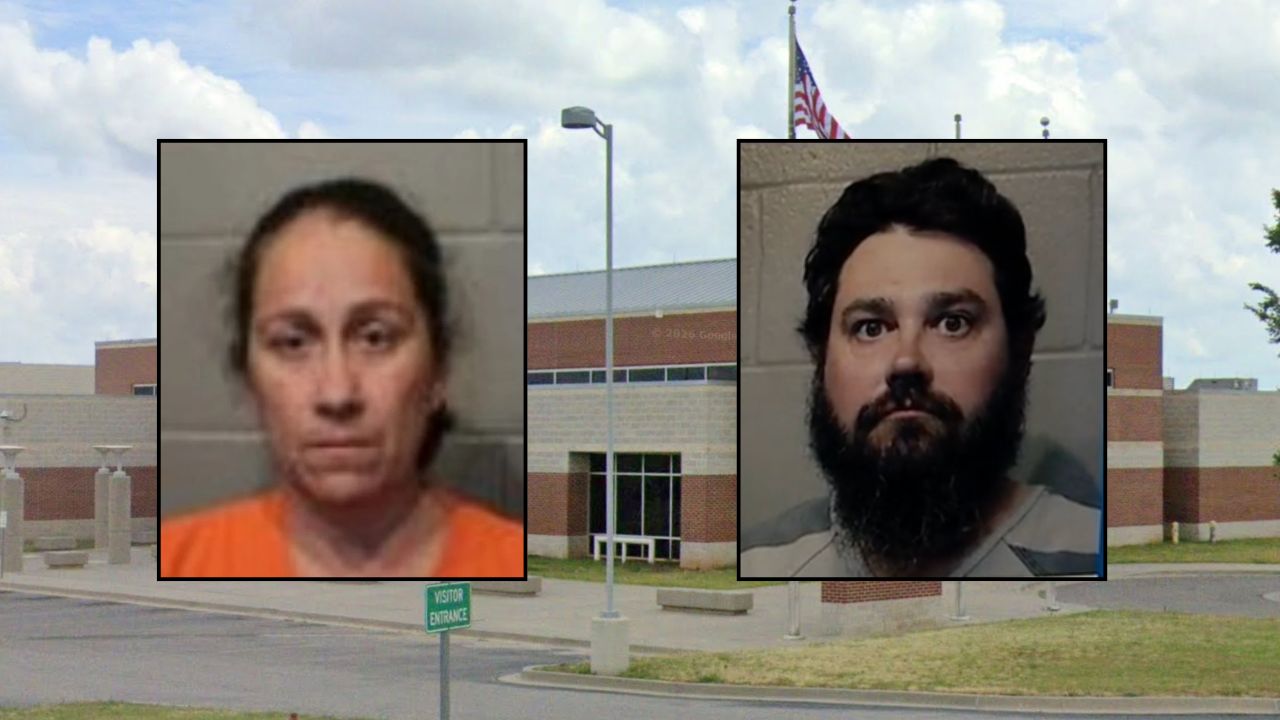
In Oklahoma, shocking allegations have emerged against Patricia and Dustin Gwaltney, who stand accused of severely abusing their children, aged 12 and 16. These allegations are not just disturbing but highlight a grave failure to protect vulnerable individuals within our society. The accusations include a harrowing pattern of starvation and physical abuse so extreme that the children felt compelled to flee their home in a desperate bid for refuge and assistance from a neighbor. Now, as both parents sit in jail, they face multiple charges of child abuse and neglect. This case has sent ripples through the community, serving as a tragic reminder of the horrors that can occur behind closed doors, and emphasizing the urgent need for vigilance and intervention in similar situations.
The accusations of abuse surfaced after law enforcement officials raised alarms about the children's dangerously low weight, which was drastically below the average for their age and height. This is more than a case of mild neglect; the children's weight was so concerning that it fell below the first percentile for their body mass index, a glaring red flag that something was severely wrong. According to the Cleveland County Sheriff's Office, the Gwaltneys allegedly restricted their children's access to food and forced them into punishing physical exercises as a form of discipline. Patricia Gwaltney now faces a litany of charges, including seven counts of child abuse, while her husband Dustin is accused of one count. The distressing details of this case were reported by NBC affiliate KFOR, which highlighted the extent of the abuse suffered by these vulnerable children under the guise of parenting.
The children's physical condition was shocking; the younger child's weight was recorded at a mere 58 pounds, a clear indicator of the severe neglect and abuse they endured. This level of malnutrition is not just a sign of neglect but proof of the prolonged and systematic deprivation they faced. The abuse detailed in court documents describes brutal beatings with a black belt and hard-soled shoes, primarily inflicted by Patricia Gwaltney. Such actions go beyond discipline and reveal a chilling pattern of violence within the home. Reports also implicate Dustin Gwaltney in subjecting a child to cold showers as punishment, adding another layer of cruelty to the abuse they suffered. The shocking details of their ordeal, which are now part of public record, can be seen in the video below, bringing this tragic case to the forefront of public consciousness.
When the children bravely escaped and sought help from a neighbor, it marked a pivotal turning point in their harrowing ordeal. This courageous act not only saved their own lives but also brought much-needed attention to their plight, ultimately leading to the arrest of their parents. Sheriff Darrell Weaver underscored the gravity of the situation, highlighting that the safety and well-being of children remain a top priority for his office. His statement serves as a stark reminder of the horrific abuse some children endure behind closed doors, often unnoticed until they take desperate measures to seek help. This case has served as a wake-up call, compelling authorities and the community to reevaluate the systems in place to protect children and prevent such tragedies from occurring in the future.
This case is a devastating echo of past failures by systems meant to protect children, highlighting a pattern that is all too familiar. The details of this abuse, now part of court records, are a harrowing testament to these children's resilience and the horrific circumstances they endured. Such cases serve as reminders of the systemic gaps that allow abuse to persist unchecked, often until it's too late for intervention. The failure to detect and prevent these atrocities is a stain on the institutions tasked with safeguarding vulnerable individuals. The video below provides further context to the state's response, illustrating the challenges faced by law enforcement and child protection services in addressing complex cases of abuse and neglect. It shows the urgent need for systemic reform to prevent future tragedies.
Child abuse has a sadly familiar face in America, recurring with a frequency that is both alarming and heartbreaking. Cases like the Gwaltneys' fit a troubling pattern where abuse goes unnoticed or unreported until it's almost too late, often with devastating consequences. The tragic story of Gabriel Fernandez, who suffered fatal abuse in 2013, still resonates today, serving as a grim reminder of the systemic failures that exist within our child protection systems. The outcry following Gabriel's death prompted national outrage and led to calls for stronger child protection measures and accountability. Yet, despite these efforts, here we are again, facing another atrocity that highlights ongoing systemic failures. The persistence of such cases shows the need for a comprehensive overhaul of the systems designed to protect children, ensuring they are equipped to respond effectively to signs of abuse.
Who benefits when justice is delayed or denied? Certainly not the children.
When a community fails to shield its most defenseless, everyone bears the stain of that neglect.
These allegations against the Gwaltneys force us to question the systems designed to safeguard our most vulnerable citizens. Why did it take the children's daring escape to expose this horror? Reports indicated extremely low BMI, a medical red flag that could have been identified much earlier through routine health checks or school interventions. The failure to act on these indicators represents a significant lapse in the duty of care owed to these children. This isn’t just an indictment of the parents, but of a community that missed numerous red flags, failing to intervene when it mattered most. It raises critical questions about the efficacy of our current child protection protocols and the need for a more proactive approach to safeguarding children from abuse and neglect.
The implications of such grave neglect extend far beyond individual accountability, demanding a broader examination of how institutions can fail those they are supposed to protect. Social services, often underfunded, overwhelmed, and understaffed, are left struggling to meet the needs of at-risk children. This systemic inadequacy leads to dangerous oversights, leaving children like the Gwaltneys' vulnerable to prolonged abuse. We need robust initiatives and accountability measures to ensure such lapses become a thing of the past. Policymakers must prioritize the allocation of resources to child protection services, ensuring they are adequately equipped to identify and respond to abuse. Only through comprehensive reform and sustained commitment can we hope to create a system that effectively safeguards children and prevents future tragedies.
For the community reading this, the story is a call to action, a reminder that we must be vigilant and proactive in recognizing our role in protecting the defenseless. When a community fails to shield its most defenseless, everyone bears the stain of that neglect. It’s a painful truth, but one we must confront to effect real change. This case highlights the importance of community involvement and awareness in preventing child abuse. By fostering a culture of vigilance and support, we can create an environment where children feel safe and protected. It requires collective effort and commitment to hold our systems and ourselves accountable, ensuring that no child suffers in silence or falls through the cracks.
Advertisement
Race and class dynamics shouldn't be ignored in these discussions, as they play a significant role in how child abuse cases are perceived and addressed. While this case involves a white family, it's essential to recognize how systemic failures disproportionately affect Black and minority communities, where resources and advocacy are often lacking. The tendency to overlook these communities' struggles is a profound inequity that perpetuates suffering and hinders progress. Understanding and addressing these disparities is crucial in reforming child protection systems. It requires acknowledging the historical and structural barriers that contribute to these inequities and actively working to dismantle them. By prioritizing equity and inclusion in our child protection efforts, we can create a system that truly serves all children, regardless of race or socioeconomic status.
As this case moves forward in the courts, it's crucial that we, as a society, remain engaged and hold our systems accountable. The Gwaltneys' trial will serve as a test of how seriously our justice system takes the protection of children, and it provides an opportunity to scrutinize and improve our existing child welfare protocols. It's a moment to demand better from ourselves and our institutions, recognizing that change is necessary to prevent future tragedies. By staying informed and involved, we can ensure that this case becomes a catalyst for meaningful reform. Only by facing these brutal truths can we hope to create a safer world for all children, where their well-being is prioritized and their voices are heard.