Yella Beezy Trial: A Key Witness Remains Silent and the System at Play
By Malik Carter, PowerVault Staff In the tense, unfolding drama of the Yella Beezy murder trial, a significant twist emerged as Theodore Thomas, also known as Jose Bodega, repeatedly invoked the Fifth Amendment. This...
Advertisement

By Malik Carter, PowerVault Staff
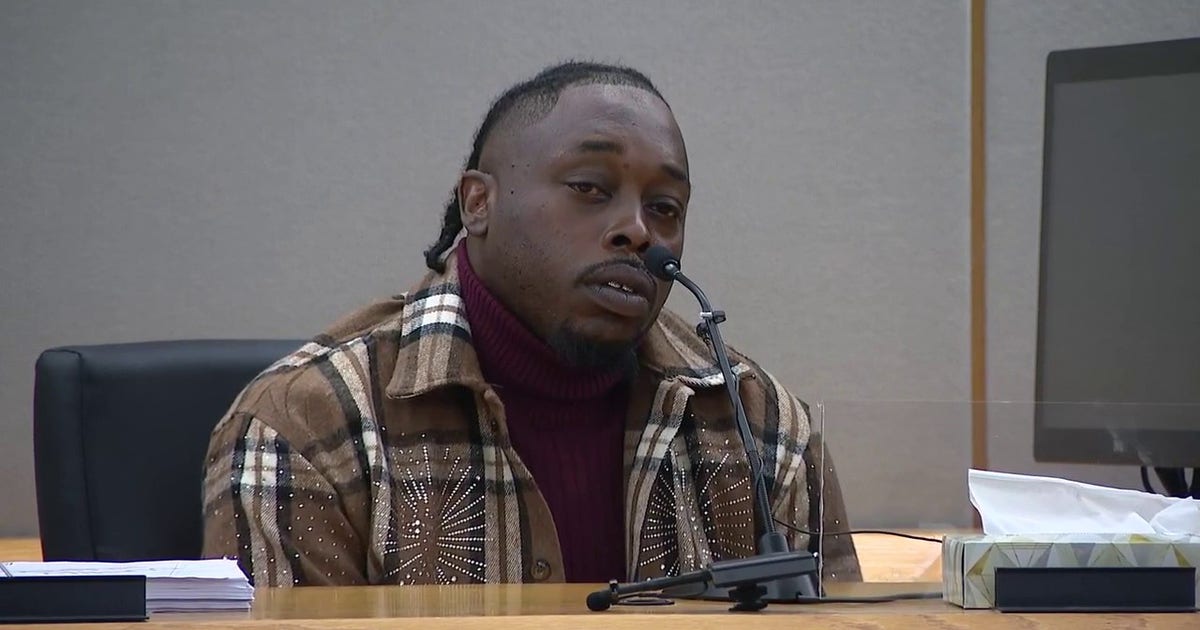
In the tense, unfolding drama of the Yella Beezy murder trial, a significant twist emerged as Theodore Thomas, also known as Jose Bodega, repeatedly invoked the Fifth Amendment. This unexpected silence added a layer of intrigue and complexity to the case unfolding in Dallas. Thomas had previously provided detailed testimony to a grand jury, which played a pivotal role in the indictment of Yella Beezy, born Markies Conway. His refusal to testify during the trial puts a spotlight on the pressures and potential threats that witnesses may face in such high-stakes cases. The legal implications of his silence are profound, as it may hinder the prosecution's ability to establish a clear connection between Conway and the alleged murder-for-hire plot. This development shows the challenges in securing reliable witness testimony in cases that involve violent criminal networks and the music industry.
Yella Beezy, born Markies Conway, stands accused of orchestrating a murder-for-hire plot against fellow Dallas rapper MO3, whose real name was Melvin Noble. Prosecutors assert that Conway hired Kewon White to carry out the assassination on Dallas's bustling Interstate 35 in 2020. White has already been convicted of capital murder for his role in this audacious daylight ambush. As the trial progresses, the courtroom becomes a battleground of competing narratives, where the prosecution seeks to unravel an intricate web of disputes and alliances that allegedly fueled the deadly plot. The case highlights the scrutiny placed upon the justice system when dealing with high-profile individuals embroiled in complex conspiracies. The proceedings also serve as a reminder of the life-and-death stakes involved in the hip-hop community's often perilous feuds, where personal rivalries can escalate into tragic violence.
Central to the prosecution's strategy is connecting the dots between Conway and the hired gunman, White. During Thursday's proceedings, testimony from Annette Alvarado, a bonding agent, provided crucial insights into White's financial activities. Alvarado confirmed a $300 payment made by White in November 2020, which prosecutors argue is suspicious given his history of missed check-ins with the bail bond office. This unscheduled payment, made in small denominations, stands out as an anomaly in White's otherwise inconsistent financial behavior, suggesting a possible link to the murder-for-hire plot. The defense, however, sought to downplay this evidence by emphasizing the lack of direct financial ties between Conway and White in the bond records. The courtroom atmosphere, captured in the video below, reflects the high-stakes nature of this testimony, as both sides work to sway the jury's perception of these financial transactions.
Meanwhile, Detective Norman Abrams III provided critical digital evidence from cellphones linked to the case, which prosecutors hope will further illuminate Conway's involvement. Abrams, a Fort Worth police officer assigned to a DEA high-tech task force, utilized specialized software to extract data from phones labeled Jerry 1, Jerry 2, and Jerry 3. This digital forensics work aims to establish communication ties and potentially incriminating exchanges between the defendants. The data entered into the record includes call logs, text messages, and location data, which could be pivotal in placing the defendants at key locations or in communication during crucial moments related to the murder. As the courtroom digested these revelations, the trial underscored the technical savvy now necessary in high-profile cases, where digital footprints can be as revealing as physical evidence in piecing together complex criminal conspiracies.
Yet, Thomas's silence remains the trial's focal point. Confronted with over 140 pages of grand jury testimony, he opted to stay mute, much to the prosecution's frustration. Thomas had previously provided detailed accounts of the Get Rich Cartel, the escalating feud involving Conway and rapper Trapboy Freddy, and incidents like the assault on Roy Lee Pate. His refusal to confirm these statements in court leaves the prosecution grappling with a significant evidentiary gap. This strategic silence not only puts a spotlight on his motivations but also highlights the intense pressures that witnesses may face, including possible threats to their safety or concerns about retaliation. The courtroom drama, captured in the video below, illustrates the challenges prosecutors face in persuading witnesses to testify openly, especially when gang affiliations and criminal networks are involved.
The MO3 murder trial reflects a broader pattern of violence interwoven within the hip-hop community's fabric. The infamous East Coast-West Coast rivalry of the '90s, which saw the tragic deaths of icons like Tupac Shakur and The Notorious B.I.G., left a lasting imprint on the music industry and its cultural scene. These feuds, often fueled by pride, competition, and territorial disputes, have persisted over the decades, despite changes in the music industry's dynamics. Today's artists handle an environment where personal grievances can quickly escalate into public vendettas, sometimes with deadly consequences. This enduring cycle of violence highlights the complex interplay between an artist's public persona, their street credibility, and the business interests at stake. As the MO3 trial unfolds, it serves as a stark reminder of how these patterns of conflict continue to plague the hip-hop world, underscoring the need for conflict resolution and community support initiatives.
But this trial isn't just about individual accountability. It's about systemic failures too.
The system's longstanding flaws and biases continue to overshadow justice, especially for Black victims.
The trial lays bare the justice system's complexity and its challenges in addressing crimes involving high-profile individuals and unsolved conspiracies. Similar cases, such as the unresolved issues surrounding the Laraven Davis case, highlight systemic flaws that persistently fail Black victims and their families. In the Davis case, procedural errors, investigative oversights, and a lack of accountability resulted in justice remaining elusive. These systemic failures are not isolated incidents but rather symptoms of deeper institutional biases and resource disparities that disproportionately affect marginalized communities. The challenges in handling these cases are compounded by the public's heightened expectations for swift justice and transparency, which often clash with the realities of an overburdened and underfunded legal system. As the Yella Beezy trial unfolds, it serves as a critical reminder of the urgent need for reforms that address these systemic inequities, ensuring that justice is not just an ideal but a tangible reality for all.
In an industry where image is everything, the impact of such cases extends beyond the courtroom. For artists like Yella Beezy, allegations alone can have lasting effects on their careers and relationships within the industry. The accusations ripple through the music world, influencing public perception and altering the dynamics of collaborations and partnerships. Record labels, promoters, and fellow artists may distance themselves, wary of the potential fallout from association with scandal. This can lead to shifting alliances, plummeting record sales, and a need for artists to carefully handle the industry's fickle waters to maintain their careers. In the court of public opinion, the presumption of innocence is often overshadowed by sensational headlines and social media narratives, forcing artists to manage their public personas meticulously while confronting legal battles that threaten to redefine their legacies.
Moreover, the community at large feels these ripples too. Fans, often deeply invested in the personas and music of such artists, find themselves grappling with the duality of artistry and alleged criminality. The emotional connection between fans and artists creates a complex dynamic, where loyalty is tested as supporters try to reconcile their admiration for the music with the troubling allegations. As they witness these proceedings, they're forced to confront uncomfortable truths about the figures they idolize and the systemic issues at play. This dynamic parallels what we observed in Ja Morant's recent challenges in the NBA, where personal and professional lines blur, and public scrutiny can have profound implications for an individual's career and personal life. The trial thus becomes a mirror reflecting broader social issues, compelling communities to engage in difficult conversations about accountability, justice, and the cultural forces that shape the lives of public figures.
Advertisement
The racial context underlying such trials cannot be ignored. Historically, the justice system has often disproportionately targeted Black individuals, whether they are artists or ordinary citizens. The biases evident in policing, prosecution, and sentencing continue to overshadow genuine justice, highlighting a need for systemic reform. High-profile cases involving Black defendants often attract media attention that amplifies racial stereotypes and biases, potentially influencing public perception and judicial outcomes. These longstanding flaws in the system contribute to a pervasive mistrust among Black communities, who frequently experience the justice system as an adversarial force rather than a protective one. As the Yella Beezy trial unfolds, it serves as a stark reminder of the ongoing struggle for equity and fairness within the legal system, underscoring the importance of advocating for reform that addresses these deep-rooted disparities and fosters a more just society for all.
As the trial progresses, all eyes remain on the courtroom, awaiting how evidence and silence will shape Yella Beezy's fate. This case holds the potential not just to decide the rapper's future but also to send ripples through the justice system and hip-hop community. The outcome will undoubtedly spark further debate about justice, race, and the cultural dynamics that underpin these high-profile trials. It challenges all of us to reconsider what justice truly means in a scene fraught with systemic inequalities. The verdict will likely influence public discourse on the intersection of celebrity, crime, and justice, prompting reflection on how society navigates these complex issues. As the trial continues to unfold, it remains a focal point for discussions about accountability, fairness, and the broader implications of legal proceedings involving prominent figures in the music industry.