Hakeem Jeffries and AIPAC: What Has MTG Actually Proven?
By Marcus Ellison, PowerVault Staff Hakeem Jeffries won a private Democratic leadership vote, and Marjorie Taylor Greene offered an AIPAC theory the tally cannot prove. The former Georgia congresswoman used a TikTok v...
Advertisement

By Marcus Ellison, PowerVault Staff
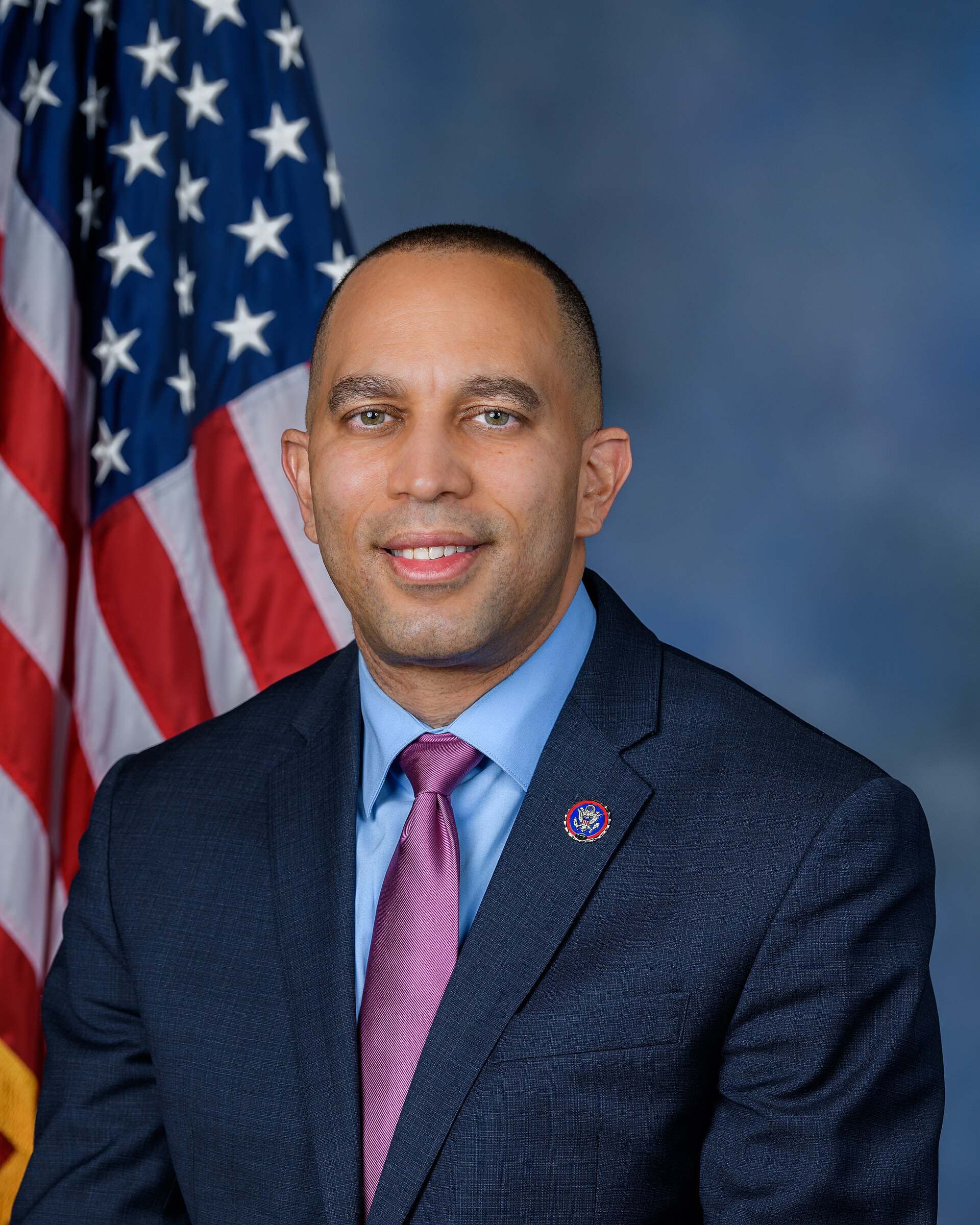
Hakeem Jeffries won a private Democratic leadership vote, and Marjorie Taylor Greene offered an AIPAC theory the tally cannot prove. The former Georgia congresswoman used a TikTok video to argue that voters asked for change in the midterms and got the same leadership anyway. That is a fair complaint to put to Democrats. It does not tell the public who influenced a single ballot.
The reporting puts the private tally at 251 votes for Jeffries and 11 against, but it gives conflicting accounts of the job at stake. It calls him a contender for majority leader, then identifies him as the nominee for speaker and Massachusetts Rep. Katherine Clark as the pick for majority leader. California Rep. Pete Aguilar was the choice for whip. What the report establishes is a caucus decision, not a vote by the full House to elect a speaker.
Jeffries succeeded Nancy Pelosi as the top House Democrat four years ago. Greene's argument is that keeping him there runs against what voters wanted on the cost of living, the war with Iran and U.S. Funding for Israel. But her reading of the election is not the election result itself. PowerVault's fact check of Trump's Obama midterm comparison applies the same standard to a different claim. A vote count and a politician's interpretation are two different things. That distinction matters when watching the clip below.
Greene put the secrecy point plainly in her TikTok video: “No one knew who voted for who,” she said. The private ballot gives voters the result without a public record of how their own representative voted. It does not show that the American Israel Public Affairs Committee directed members to back Jeffries. The committee lobbies Congress on U.S. Security assistance to Israel and other Middle East policy, and it describes its political spending on its own site. That spending deserves scrutiny without treating every claim about its effect as settled.
Greene claimed AIPAC backed Jeffries and Clark with millions and also supported Aguilar. The reporting provides no financial breakdown to test those claims. It does report that Jeffries met privately with Jared Kushner several weeks before the Nov. 3 election and declined to say what they discussed. Kushner is President Donald Trump's son-in-law and his Middle East negotiator. Voters are entitled to ask whose policy priorities came up, whether or not any agreement was made. That gap between known access and unknown substance is the backdrop for the next clip.
The Kushner meeting establishes access. It does not establish that Jeffries made a promise, traded a vote or changed his position. The same evidence gap applies to the suggestion that Pete Hegseth avoided impeachment because of the forces Greene describes. The available reporting does not identify an impeachment decision or show how Jeffries, Kushner or AIPAC affected it. Putting those names next to each other does not supply the missing evidence.
A more useful test of Greene's argument would start with financial records. What money went directly to a candidate, and what was spent separately to help elect that candidate? Then compare the dates and amounts with what leaders said publicly and what they did when legislation came up. Even those records would not prove a private bargain on their own. They would give voters something firmer to examine than a large number said into a camera.
Black voters can take pride in who gets the gavel and still demand to know what he plans to do with it.
Black voters can take pride in who gets the gavel and still demand to know what he plans to do with it. A Black speaker would carry real weight in a country where Black political leadership is still too often treated as something to explain away. Jeffries should not have to answer for claims Greene has not proved. He should have to answer for the choices he makes. Representation is worth protecting from both cheap suspicion and the idea that asking hard questions is disloyal.
The institutional problem is that a private leadership vote lets members celebrate the outcome without defending their own choice. A secret ballot can give lawmakers room to resist pressure from party leaders. It also leaves constituents with less information about who stood where. Atlanta Black Star's related coverage of the Democratic leadership fight offers another window into that debate. Members do not have to reveal their ballots to explain what they expect the leadership to deliver.
For a household trying to cover rent and groceries, the test of leadership is what reaches a vote and who stands behind it. The test for foreign policy is no different: Which commitments will leaders defend in public, and what will they ask taxpayers to fund? PowerVault's fact check of Trump's Nobel Peace Prize complaint starts from a principle that applies here too. Claims about diplomacy deserve to be measured against what officials actually did.
Advertisement
Watch the public votes when the new Congress convenes in January. Then watch which proposals Democratic leaders bring up, what they say about aid to Israel and whether their cost of living promises turn into legislation. Jeffries can start by saying what he discussed with Kushner, and Greene can put records behind her claims. The caucus got to vote in private. The people who sent its members to Washington deserve answers in public.
More from PowerVault Network: