How HBCU Football's Money Games Are Changing the Landscape of College Sports
By Simone Walker, PowerVault Staff Picture this: a packed stadium, the air electric with anticipation, the underdog team stepping onto a field that seems almost foreign to them in its size and grandeur. The crowd, mos...
By Simone Walker, PowerVault Staff
Picture this: a packed stadium, the air electric with anticipation, the underdog team stepping onto a field that seems almost foreign to them in its size and grandeur. The crowd, mostly clad in the home team's colors, buzzes with the expectation of an easy victory. On the surface, it's business as usual in college football. But beneath the spectacle lies a deeper story that resonates powerfully within the Black community and beyond.
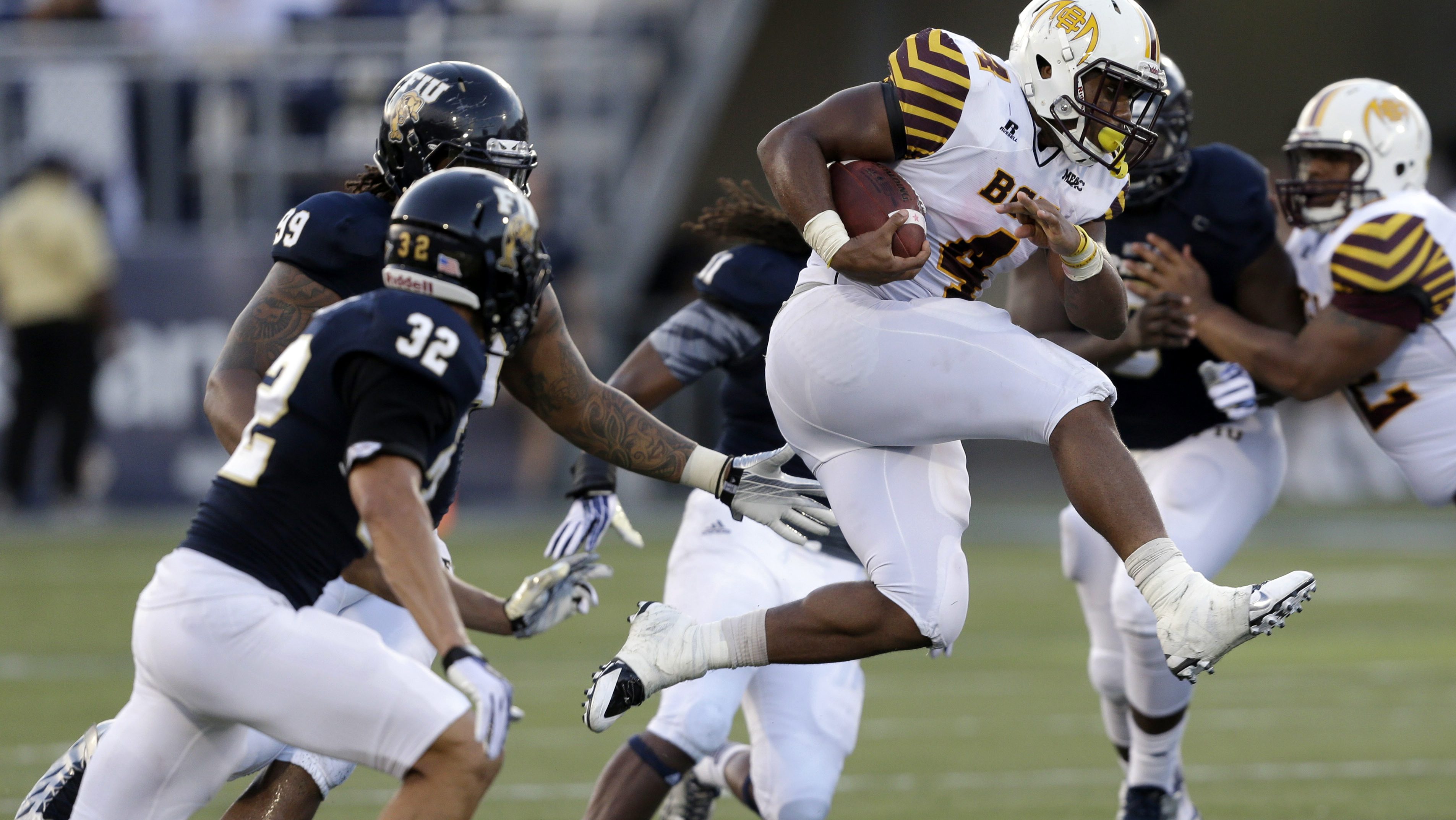
The narrative of Historically Black Colleges and Universities (HBCUs) facing off against larger, predominantly white institutions in what are often termed "money games" is as much about dollars and cents as it is about grit and defiance. These games are traditionally seen as David versus Goliath encounters, and the purse is the main attraction. Larger schools pay hefty sums to host smaller HBCUs, the expectation being a predictable, lucrative win. But every so often, HBCUs flip the script, pulling off upsets that ripple through the sport's world both financially and culturally.
In 2018, North Carolina A&T's football team did just that, stunning East Carolina in a 28-23 victory that turned heads and sparked conversations. The moment was encapsulated by North Carolina A&T head coach Sam Washington's quote to his players: “Tell ‘em to bring me my money!” A declaration of triumph and a nod to the financial dynamics at play. His words, immortalized in a viral social media post, brought attention to the quiet revolution happening on the fields and within the boardrooms of college sports.
It's easy to see these games as mere transactions, financial boosts for HBCUs whose athletic budgets pale in comparison to their opponents. But look closer, and you'll see a complicated story of strategy, opportunity, and, yes, cultural pride. For every blowout loss, there's the chance of an upset, a reminder that talent, not just resources, defines the game. The dollars exchanged are significant, but the cultural and motivational currency these wins deliver to Black athletes and their communities is priceless.
HBCUs have historically been the underdog, not just on the field but in the larger educational and economic systems of the United States. These games highlight the contrasts starkly: elite facilities, massive alumni networks, and powerful media contracts of PWIs (Predominantly White Institutions) set against the rich history, cultural significance, and often underfunded programs of HBCUs. An HBCU victory in a money game is not simply about defying odds on the field; it's about shaking up a system that, to many, feels rigged against them.
For Black athletes, many of whom hail from communities lacking in resources and visibility, HBCUs offer a unique space of empowerment. They play knowing that their successes and failures are doubly significant. It's a stage where their talents can shine beyond the confines of traditional expectations, where a single game can redefine narratives about capability and potential.
Yet, the systemic issues remain. The financial disparity between HBCUs and their PWI counterparts is not just limited to football. It spans multiple sports and academic programs. Despite the talent pool and the cultural richness HBCUs provide, they remain underfunded and underappreciated in the broader discourse of college athletics. The money game upsets serve as stark reminders of this inequity and the need for deeper investment in these historic institutions.
The industry, of course, is taking note. The visibility brought by such upsets has sparked conversations about the way college sports are structured. With media attention growing around HBCUs, there's an opportunity for change, a chance to rethink how revenue is distributed, how media rights are negotiated, and how talent is scouted and celebrated.
For every blowout loss, there's the chance of an upset, a reminder that talent, not just resources, defines the game.
From the perspective of the community, these games are more than just contests. They are a celebration, a point of pride, and sometimes, a call to action. The narrative turns from one of perennial underdog to rightful challenger. The victories, when they come, are savored not just for the immediate thrill, but for the broader implications they hold for the community’s visibility and self-efficacy.
The mainstream press often glosses over the systemic issues at play, focusing instead on the spectacle of the game itself. But at PVN, we urge our readers to look beyond the scoreboard. To consider what each of these matchups represents in the larger conversation about race, resources, and recognition in America. Each upset win isn't just a victory on the field; it's a challenge to the status quo, a demand for an equal playing field in every sense.
Looking forward, it’s essential to continue to support and uplift these institutions. The question isn't just how many more upsets HBCUs can achieve, but how the sports industry can evolve to support their growth and potential. Every game is an opportunity to reshape perceptions, to advocate for change, and to celebrate a rich heritage that has given so much to the world of sports and beyond.
As we witness more of these games, let's remember what's truly at stake. It’s about more than scores and stats; it's about rewriting the narrative and ensuring that excellence in sports is recognized and rewarded, no matter where it comes from.