How Jordan Walker's Home Run Derby Win is Changing the Game for Black Youngsters
By DeShawn Price, PowerVault Staff Citizens Bank Park erupted, a symphony of cheers cascading down like summer rain, as Jordan Walker stepped up to the plate. The 24-year-old St. Louis Cardinals star had entered the H...
Advertisement

By DeShawn Price, PowerVault Staff
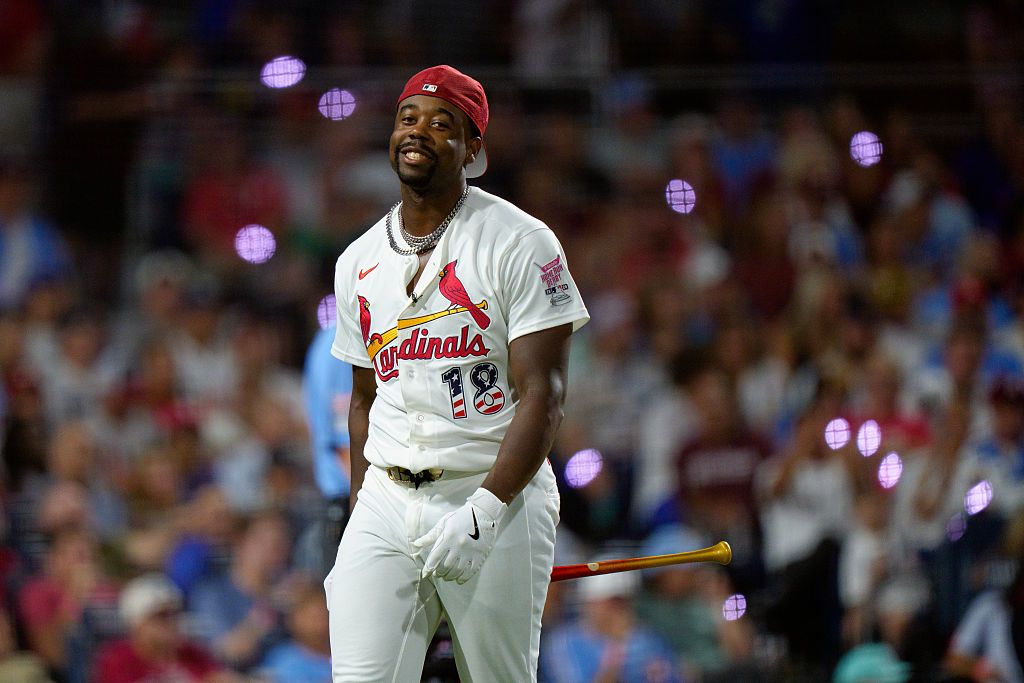
Citizens Bank Park erupted, a symphony of cheers cascading down like summer rain, as Jordan Walker stepped up to the plate. The 24-year-old St. Louis Cardinals star had entered the Home Run Derby earlier that night with everything to prove. The weight of expectations rested squarely on his shoulders, not just as a player but as a symbol of hope and representation. The crowd swelled, and with each swing of the bat, Walker transformed the arena into a canvas painted with dreams, aspirations, and a deep-rooted desire for change in a game that often feels alien to young Black athletes.
This wasn't just another summer showcase; it was a moment of triumph in a sport grappling with a crisis of identity. Walker's victory isn't just a personal achievement; it reverberates across the fabric of baseball, a potential inflection point for a sport that has seen a troubling decrease in Black participation at the youth and professional levels. As Walker clutched the trophy, it became evident that this was about more than just earning a shiny piece of metal. It was about representation, inspiration, and a generational shift in the narrative surrounding Black athletes in baseball.
In entering the Derby, Walker wasn't the overwhelming favorite. With a slew of high-profile seasoned hitters around him, many wondered if he could even hold his own. But in a sport often dominated by older veterans and players from Latin America, Walker stepped up and delivered, hitting a jaw-dropping 22 home runs in the final round. This was his moment to shine, a chance to capture the attention of a younger generation, many of whom seek heroes who mirror their own identities. As he celebrated on the field, Walker not only embraced his triumph but also the responsibility that comes with it.
This is vital because the landscape of baseball has shifted dramatically in recent years. The road that once paved the way for legends like Jackie Robinson and Hank Aaron has become increasingly treacherous for young Black prospects. According to a study by the Baseball Hall of Fame, the percentage of Black players in Major League Baseball has plummeted to around 7%, a stark contrast to the 27% seen in the 1970s. This decline reflects broader societal issues, but it also highlights the missed opportunities at the grassroots level. The sport needs figures like Walker,young, talented, and unapologetically Black,to engage and inspire the next generation.
Walker’s win serves as a reminder of the historical context that shaped the pathway for Black athletes in baseball. The legacy of integration and the struggles that Black players faced to compete at the highest level are not merely footnotes in the history of the game; they are the bedrock upon which current and future stars will stand. The pressure Walker faces is immense, and it stems not just from his performance on the field but from the weight of representation. Expectations to succeed and to uplift the community can be burdensome. But Walker seems ready, embracing this challenge with poise, humility, and a belief in the power of his platform.
When Black athletes excel in predominantly white sports like baseball and hockey, it is a powerful statement about resilience and excellence. Yet, it also prompts a critical inquiry into the structures that have historically marginalized these athletes. The celebration of Walker's win is bittersweet because it underscores both progress and the work still required to make baseball accessible to Black youth. It's not just about who can hit a home run but about the systemic barriers that block access to the game,from youth leagues to professional contracts. Walker now has the chance to flip the script, to advocate for change, and to challenge the so-called norms that have held back many gifted young athletes in his community.
Let's not kid ourselves; this moment is about more than just baseball. It's a reflection of cultural dynamics, economic disparities, and the complexities of race in sports. The lack of representation can breed apathy among young Black children, who might see baseball as a distant dream rather than a possible reality. Walker’s triumph can ignite conversations in barbershops, schools, and communities, sparking interest and investment in grassroots programs that can sow the seeds of talent among youth. This is about investing in playgrounds instead of prisons, about offering opportunities instead of obstacles.
As Walker enjoys his moment in the sun, the question remains: how will he leverage this platform? In a community rich with history yet often overlooked by major sports leagues, it’s crucial for him to engage in efforts that will make the game more accessible. It’s not just about playing well; it’s about being a voice. The next step could involve outreach programs, mentorships, and partnerships with organizations dedicated to increasing Black participation in baseball. For Walker, embracing this role could take his legacy beyond the statistics and home runs, embedding him in the very fabric of progress.
Advertisement
Looking ahead, the ripples of Walker's victory at the Home Run Derby could pave the way for future athletes. As Black youth look at him and see themselves reflected back, one can only hope it sparks their own ambitions to step onto that field. But this is also a call to action for the baseball community. What will teams do to promote diversity? What role will they play in elevating Black youth baseball leagues? The responsibility is collective, extending beyond the diamond. The time for systemic change is now, and the urgency cannot be overstated. Walker can lead that charge, but he shouldn’t have to do it alone.
In an era where the narrative of Black athletes is often framed with cautionary tales,stories of struggle rather than success,Jordan Walker's Home Run Derby win is a clarion call for a new narrative. It’s a chance to rewrite the story of baseball, to see it not just as America’s pastime but as a vibrant canvas upon which Black excellence can and should be painted. For future generations, the stage has been set. The question is: who will seize the moment next?