How Police Misuse AI Surveillance Technology to Track Their Exes and Citizens
By Marcus Ellison, PowerVault Staff Imagine walking down a busy street, the sun shining, the world around you bustling with life. Somewhere, in a hidden corner, a camera captures your every move. It's not just a secur...
Advertisement

By Marcus Ellison, PowerVault Staff
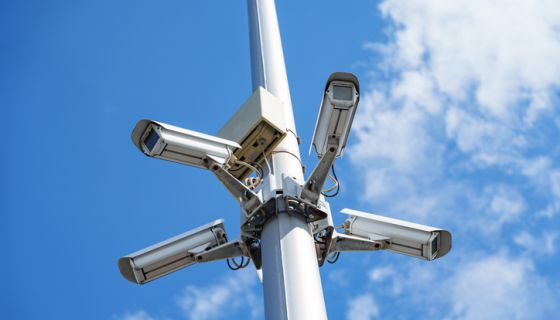
Imagine walking down a busy street, the sun shining, the world around you bustling with life. Somewhere, in a hidden corner, a camera captures your every move. It's not just a security measure; it's an extension of law enforcement's reach, a tool with the potential for both safety and violation. The rise of advanced AI surveillance, particularly license plate recognition technology, poses a chilling question: how much power is too much?
Recent revelations about law enforcement's use of AI camera systems have exposed a troubling reality. Officers across the nation have exploited these technologies, using them not merely for crime prevention but to surveil personal matters, including tracking their ex-partners. This disturbing trend sheds light on systemic issues within the policing framework that are often overlooked. The implications are far-reaching, raising questions about privacy, ethical boundaries, and the very core of law enforcement's accountability.
A report revealed that some police officers have used a network of AI cameras to monitor their former romantic partners, treating the technology as a personal surveillance tool rather than a public safety measure. The Washington Post noted that these practices are indicative of a larger pattern where surveillance technology is wielded without appropriate oversight or consequence. This raises significant concerns about the balance between ensuring public safety and infringing on individual privacy rights.
Many may remember George Orwell's prophetic vision in his novel 1984, where constant monitoring by the state led to a society stripped of freedom and trust. Today, we find ourselves teetering on the brink of that reality. Police departments across the country have increasingly adopted AI technologies, initially intended to bolster safety measures, but these tools are being repurposed to serve personal vendettas. This misuse not only compromises personal relationships but also erodes public trust in law enforcement agencies.
Analyzing this issue reveals a problematic intersection of technology, power, and personal grievances. If officers can use surveillance tools to settle personal scores, what does that say about the culture within police departments? Are these officers trained to uphold the law, or have they become enforcers of their own personal agendas? The lack of accountability mechanisms in place raises significant red flags. Without stringent regulations and oversight, the potential for abuse is not just a possibility; it becomes an inevitable outcome.
Moreover, the broader societal implications are troubling. Communities of color, who have historically faced disproportionate scrutiny and surveillance, are especially vulnerable. The integration of AI monitoring can exacerbate existing inequalities and create an environment where residents feel constantly watched, rather than protected. The ramifications of such surveillance extend beyond individual instances; they contribute to a culture of fear and mistrust between communities and law enforcement.
Additionally, the normalization of surveillance technologies in policing raises ethical questions about consent and privacy. Are individuals aware that their movements could be tracked at any moment? When laws are enacted without public understanding or participation, a dangerous precedent is set. The narrative becomes one where the state holds all the power, and citizens are left powerless against invasive practices.
The conversation surrounding these surveillance technologies often neglects the necessary discourse on accountability. When officers misuse tools meant to protect the public, their actions must have consequences. Yet, as seen in many cases, punitive measures are rarely enforced, creating an environment where bad actors can operate with impunity. The resulting erosion of public trust in law enforcement underscores the urgent need for reform.
In this digital age, surveillance technologies like plate recognition systems will likely continue to proliferate. A recent investigation highlighted how police used such technology to track an individual across state lines under dubious pretexts. This raises further questions about the parameters of surveillance and the criteria that justify its use. As communities grapple with these realities, there’s a pressing need to confront the ethical challenges posed by expanding surveillance capabilities.
Looking ahead, stakeholders must advocate for comprehensive policies that regulate the use of surveillance technologies within law enforcement. There must be transparent guidelines dictating how these systems can be employed and strict penalties for misuse. Community engagement will be essential to rebuilding trust and ensuring that citizens feel safe rather than surveilled.
Advertisement
The crux of this issue extends far beyond individual cases of misuse; it speaks to the fundamental principles of justice and accountability within the policing system. Citizens deserve protection, but they also deserve the right to privacy and the assurance that law enforcement operates within ethical boundaries. As this discourse continues to unfold, it challenges readers to reconsider the true cost of surveillance and the societal structures that enable its misuse.
Ultimately, the challenge lies in finding a balance between safety and personal freedom. As technology evolves, so too must our understanding of its implications. The path forward necessitates vigilance, advocacy, and an unwavering commitment to protecting civil liberties in the face of growing surveillance capabilities.