How the First Round of the WNBA Playoffs Reflects Broader Issues in Sports
By Andre Coleman, PowerVault Staff The clamor of sneakers on hardwood, punctuated by the roar of passionate fans, sets the stage for a narrative that's as much about the game as it is about the society that creates it...
By Andre Coleman, PowerVault Staff
The clamor of sneakers on hardwood, punctuated by the roar of passionate fans, sets the stage for a narrative that's as much about the game as it is about the society that creates it. The WNBA playoffs have embarked on their annual journey, and while box scores might paint the on-court picture, the real story is one of triumph, struggle, and the interplay of politics and race within the sports industry.
As the New York Liberty finally found their rhythm and Atlanta Dream celebrated their first multi-game playoff series win since 2013, deeper dynamics were at play, telling stories that resonate well beyond the court. For the Lynx, making disastrous history was less about a single game and more about a legacy overshadowed by systemic issues. While these playoff performances hold significance for the teams involved, they also reflect the broader context of being Black in America's sporting scene.
The Liberty's awakening in the playoffs is more than just a sports story; it’s a sign of systemic shifts. In 2020, the team was at the forefront of social justice campaigns, using their platform to voice against racial injustice, a move that showed the potential power athletes hold. Their recent playoff success symbolizes not just athletic triumph, but a shift in narrative control, where Black athletes are rewriting their own stories in a machine often resistant to change.
In stark contrast, the Minnesota Lynx's fall from grace in these playoffs serves as a cautionary tale. The team that once dominated the league with four championships in the last decade now finds itself in the throes of a painful rebuild. This downturn is not just about sports performance; it echoes the challenges faced by many Black athletes and teams who must handle an industry where past success does not always guarantee future stability. Financial constraints, management changes, and the pressure to constantly prove oneself can derail even the most successful teams and players.
And then there's the Atlanta Dream, a team whose name rings with the promise of American ideals but whose journey has been anything but smooth. The Dream's struggle to rise over the years mirrors the broader fight for recognition and respect in a league still grappling with visibility and equity issues. Their victory, therefore, is not just about advancing in the playoffs but about demonstrating resilience in the face of organizational instability and societal pressures.
She addressed it head on in the post below.
The historical context cannot be overlooked. The WNBA, since its inception, has been a league that challenges the norms, embracing progressive stances on social issues from LGBTQ+ rights to racial injustice. However, the visibility of these issues in the WNBA also shows persistent disparities. For Black women, the struggle is twofold: they fight for recognition in a sport that often sidelines them while simultaneously battling for equality in broader societal terms. This dual fight manifests in the financial inequities within the league itself, where even the top players earn a fraction of their male counterparts in the NBA.
The economics of the WNBA provide a stark reminder of larger systemic issues. While the league has made strides in increasing salaries and providing better conditions, these improvements are incremental. The average salary hovers around $120,000, peanuts compared to the millions earned by NBA players. The disparity not only highlights gender inequality but also magnifies the intersectional challenges faced by Black female athletes who often emerge from communities already marginalized by economic and racial disadvantages.
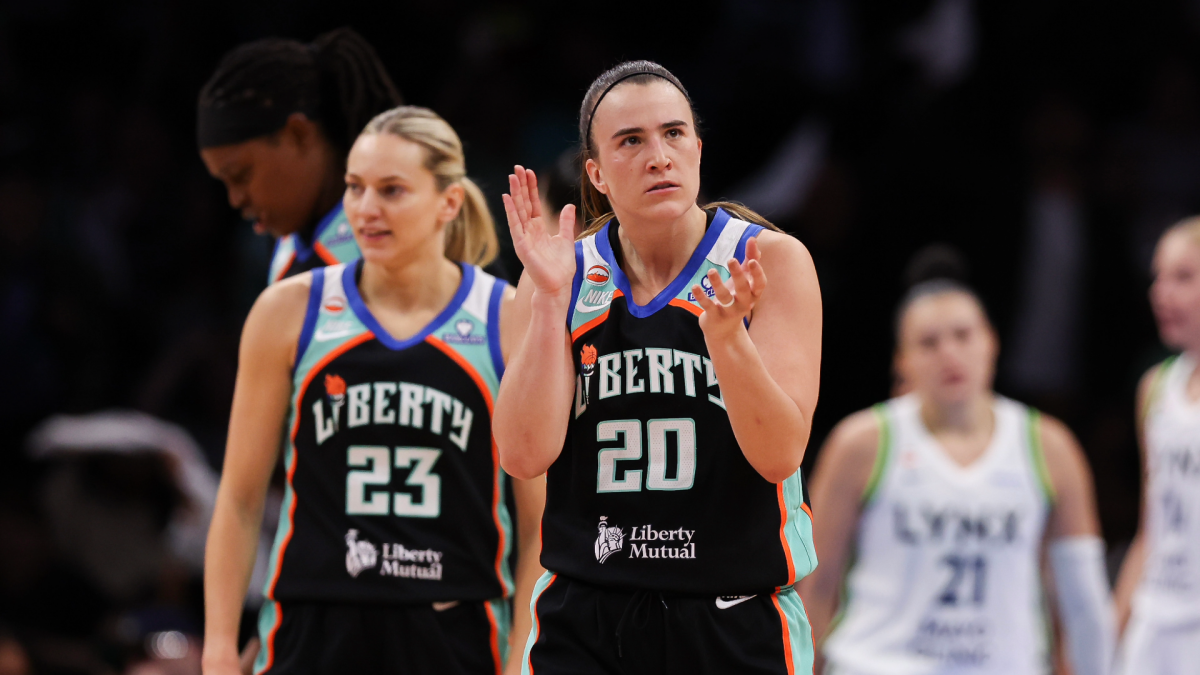
The playoff performances are also a testament to the pressure cooker environment these athletes operate in. For Black athletes, especially women, the weight of representation is overwhelming. They carry their personal ambitions alongside the expectations of their community, often in spaces where they are outnumbered or overlooked. This burden was visible in the faces of players like Sabrina Ionescu of the Liberty, whose journey to playoff success has been a rollercoaster of personal and professional highs and lows.
The clip that set the timeline off is below.
Looking back at the history of the league, we see pioneers like Sheryl Swoopes and Lisa Leslie who laid the groundwork for today’s athletes. They fought not only on the court but against a system that was not designed with them in mind. Their legacy is visible in today's athletes who are more vocal and empowered than ever, but who still face an uphill battle for true equity.
The broader sports industry can learn from the WNBA's commitment to advocacy and inclusion. But it must also reckon with its own inequities. The disparity in media coverage, sponsorship deals, and financial backing between the WNBA and other leagues is glaring. The industry loves a Cinderella story but often fails to invest in the groundwork that allows these stories to thrive sustainably.
For Black athletes, especially women, the weight of representation is overwhelming.
For the community watching at home, these playoffs offer more than entertainment. They're a reminder of what's possible when talent meets opportunity, and what’s at stake when systems fail to support those who drive cultural and economic value. It's a conversation about agency, about reclaiming narratives, and about demanding a seat at the table, not just in sports but in every facet of society.
As we look ahead, the challenge remains: How can the WNBA maintain its momentum and further amplify the voices of its athletes? The league must continue to push boundaries, advocating for not just pay equity but also for the kind of cultural change that allows all players to flourish. The women of the WNBA are not just athletes; they are trailblazers, changemakers, and voices of a generation demanding its rightful place in the annals of sports history.
The next chapter of this playoff season will be telling, not just for the teams involved but for the league as a whole. As we watch the games unfold, let's remember what’s at stake, the future of a league that not only entertains but empowers. In the end, it's not just about who wins or loses on the court, but about the battles fought and won in the hearts and minds of everyone who dares to dream.