Ja Morant's NBA Journey: Predictions, Politics, and Pressure
By Tanya Brooks, PowerVault Staff Ja Morant, the electrifying guard known for his gravity-defying dunks and fearless gameplay, is at the center of a swirling narrative about predictions gone awry. Analysts who pegged...
Advertisement

By Tanya Brooks, PowerVault Staff
Ja Morant, the electrifying guard known for his gravity-defying dunks and fearless gameplay, is at the center of a swirling narrative about predictions gone awry. Analysts who pegged him as a future NBA megastar are now grappling with a season where he's yet to fully meet towering expectations. On the surface, it might seem as if Morant is underperforming, but the scrutiny he faces raises deeper questions. Is the relentless spotlight truly fair, or is it indicative of a larger issue, the sports machine's tendency to set Black athletes up for failure under immense pressure? Morant's situation is a microcosm of a broader systemic issue, where the stakes for Black athletes are not just about wins and losses but about handling an environment that often seems to demand more than it gives.
Morant's season started with a buzz, the kind that has fans and pundits speculating nonstop. According to a recent analysis from Andscape, some expected him to lead the Memphis Grizzlies to contenders' status. The anticipation was palpable, as many believed Morant was the missing piece to elevate the Grizzlies to a new echelon. However, things haven't panned out as smoothly. Injuries have disrupted the team’s rhythm, and the dynamics within the squad have been less than cohesive. Critics have been quick to pounce on these setbacks, eager to point fingers rather than consider the complexities at play. This scenario reminds us of the unpredictable nature of sports predictions, a game in itself that often overlooks the human elements involved.
While some chalk up these missteps to temporary setbacks, the discussion around Morant opens up a larger dialogue about the hype machine in sports media. It's not just about being wrong; it's about the weight of expectations and the racial dynamics at play. The relentless drive for narratives that sell often ignores the complicated realities of an athlete's journey. In Morant's case, the tension between expectation and reality becomes a focal point for examining how racial biases can influence public perception. The clip below explores these layers, inviting viewers to question what it truly means to succeed as a Black athlete in a scene that thrives on creating stars only to scrutinize them under an unforgiving lens.
Historically, Black athletes like Morant have had to handle a scene steeped in racial expectations and double standards. In the '90s, athletes like Allen Iverson faced similar pressures, battling not just opponents on the court, but societal perceptions as well. Iverson, with his unapologetic demeanor and cultural impact, often found himself judged by a set of unwritten rules that seemed to change at will. For Morant, his journey echoes these past struggles, spotlighting the ongoing challenge of being a Black athlete in a predominantly white institution where the rules seem to shift constantly. The legacy of these athletes is not only in their accomplishments but in the resilience they show in the face of systemic biases that persist today.
The narrative isn't just about Morant alone. His story is intertwined with that of other players who have had to overcome the weight of public expectation. Giannis Antetokounmpo and Trae Young are two other young stars currently in the mix of media scrutiny, according to ESPN. Both have faced immense pressure to not only perform but to embody the ideals of what a star should be. Each has faced the music of unmet expectations, and each has responded in their own way. The common denominator? The racial undertones that accompany their every move. The scrutiny they face is often intensified by the racial dynamics at play, reminding us that their careers are as much about handling identity as they are about mastering their sport.
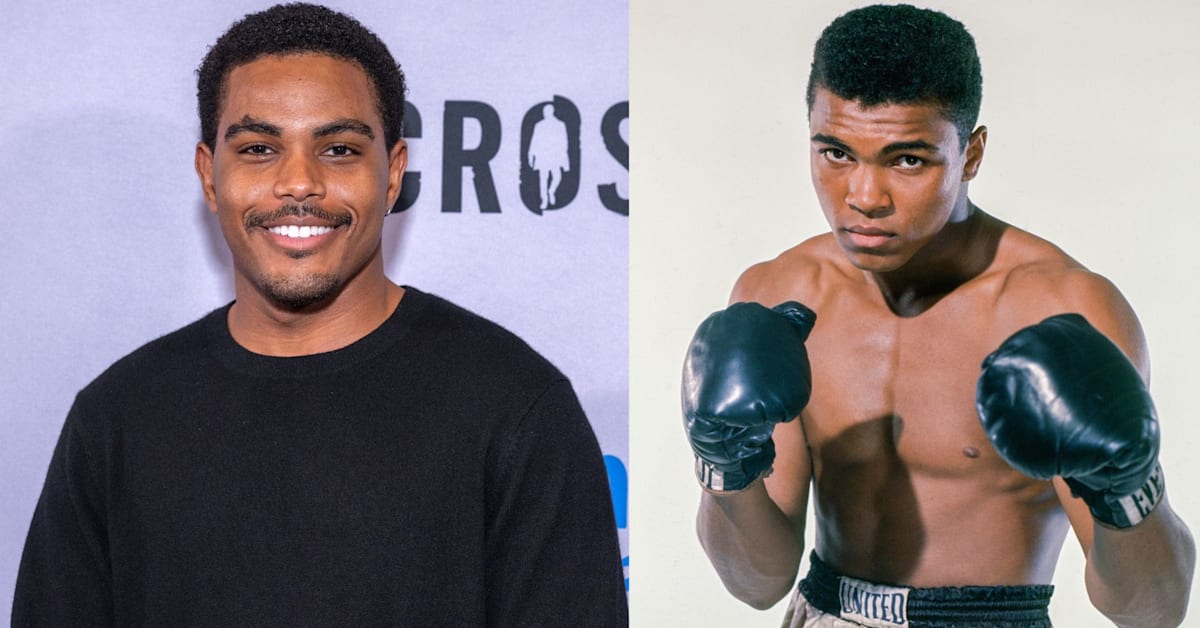
The pressures facing Morant aren't just modern phenomena. Back in the day, black athletes like Muhammad Ali redefined what it meant to excel under a microscope of racial and cultural scrutiny. Ali, with his unapologetic stance and charisma, carved out a legacy that transcended sports by challenging the societal norms of his time. Like Morant, Ali navigated double standards and systemic barriers to forge his legacy. In today's NBA, Morant carries a similar mantle, representing more than just his stats. He embodies the hopes and aspirations of countless young athletes who see in him a reflection of their own dreams. His journey says a lot about the resilience required to succeed in an environment where the barriers are as much about perception as they are about performance.
But let's pause on this: the buzz and backlash Morant faces aren't isolated issues. They reflect broader conversations around race and representation in sports. On a larger scale, how do these dynamics impact not just the athletes but the communities they hail from?
For Black athletes, success comes with the challenge of handling a predominantly white sports machine.
For Black athletes, success comes with the challenge of handling a predominantly white sports machine. Morant's career, like that of so many Black athletes, is proof of resilience in the face of systemic hurdles. From the moment they step into the spotlight, these athletes contend with expectations that often extend beyond their performance on the court. Their ability to break records and make headlines is only part of the story. The real tale lies in their journey through the politics of race and sports, where they must consistently prove their worth in a system that can feel rigged against them. Morant's path is emblematic of this struggle, revealing the complexities of balancing personal aspirations with the broader expectations of a society still grappling with racial inequities.
The industry needs to examine how it cultivates and critiques Black talent. It's not just about being an athlete; it's about being a role model for a generation watching closely. This isn't about Morant alone, but about what he represents for young Black athletes aspiring to climb the same ladders. The way these athletes are developed, marketed, and critiqued says a lot about the values of the sports ecosystem. Are these institutions truly fostering talent, or are they merely commodifying it for profit? The answer to this question could redefine how future athletes are perceived and supported. The systemic changes required to level the playing field will demand a conscious effort from all stakeholders in the sports industry.
For fans too, there's a lesson here. The media's hype machine may inflate expectations, but the community's support can provide a counterbalance. The Morant saga highlights the importance of standing by those who bear the brunt of media narratives. At a time when athletes are often reduced to headlines and highlights, the role of the community becomes crucial. Communities must remain vigilant, ensuring that these young stars are elevated for their achievements and supported through their trials. It's about creating a supportive environment that acknowledges the pressures these athletes face and offers a network of encouragement to help them thrive both personally and professionally.
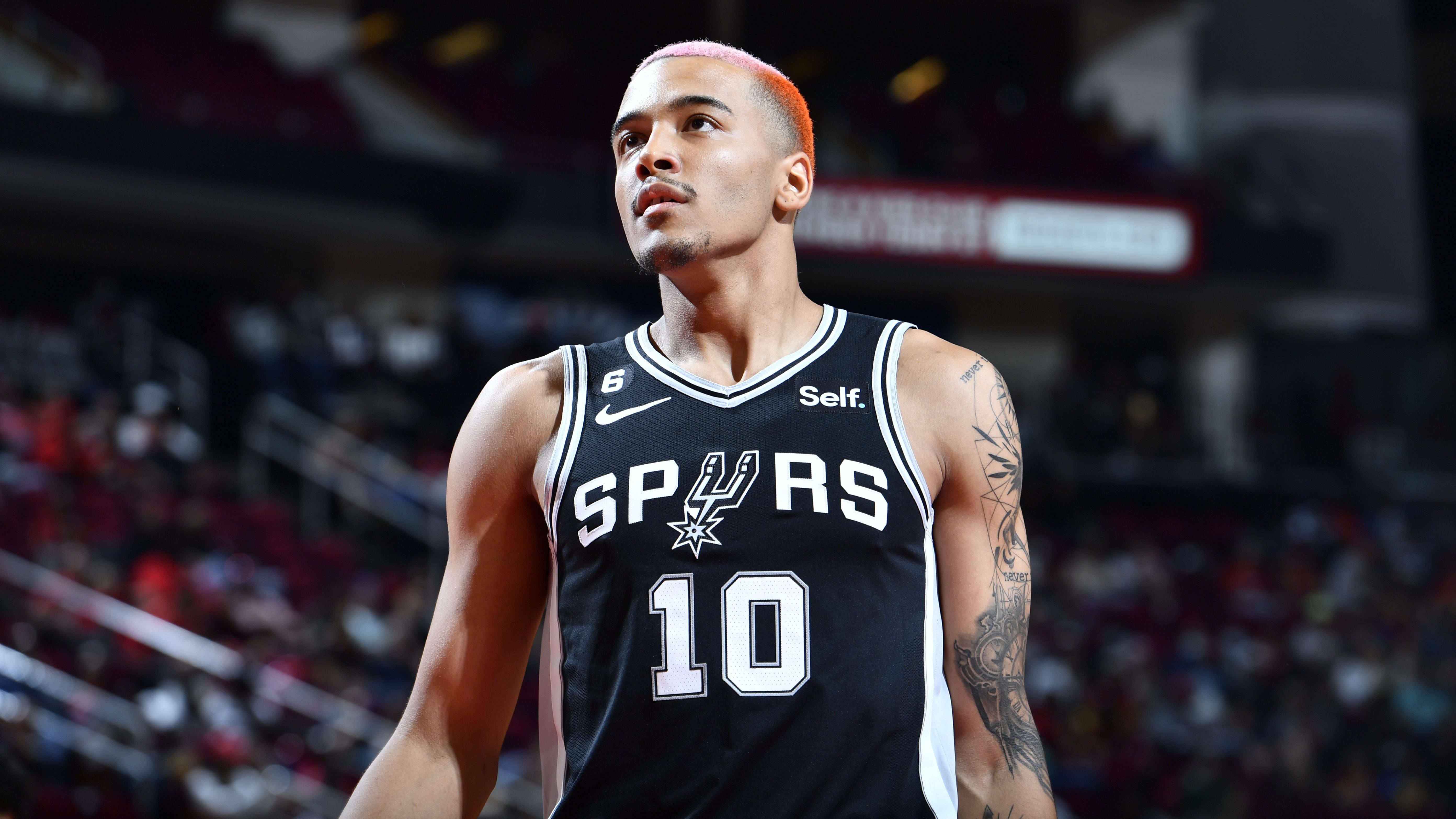
Underneath it all is a layer of industry politics that continues to challenge Black athletes. The financial stakes are high, and the pressure to perform can be overwhelming. Athletes like Jeremy Sochan, who took a gamble on the G League, know these challenges well. The decision to bypass traditional collegiate pathways for a professional route shows the high-stakes nature of sports today. The stakes aren't just personal; they're systemic, testing the very fabric of sporting institutions. The financial implications of these choices can be life-altering, and the pressure to succeed is immense. Understanding these dynamics is crucial for anyone looking to grasp the full picture of what it means to be a professional athlete right now.
Advertisement
As we look ahead, Morant's journey will continue to unfold, reflecting broader cultural themes within professional sports. Will he rise to meet these towering expectations, or will the industry's pressures prove too much? Regardless, his story is far from over, and it challenges us all to think critically about race, representation, and resilience in sports. Morant's journey offers a unique lens through which we can explore the intersections of identity and achievement. The next chapter of Ja Morant's career promises to be as compelling as the last, and for those watching, it's a lesson in both struggle and triumph. His path serves as proof of the enduring spirit required to handle and succeed in a complex, often unforgiving scene.
More from PowerVault Network: