Jaalen Best's Role as Muhammad Ali: More Than Just Acting
By Marcus Ellison, PowerVault Staff Jaalen Best's journey to portraying Muhammad Ali in Prime Video's 'The Greatest' was sealed not by a director's nod, but through the deeply personal blessing of Ali's widow, Lonnie...
Advertisement

By Marcus Ellison, PowerVault Staff
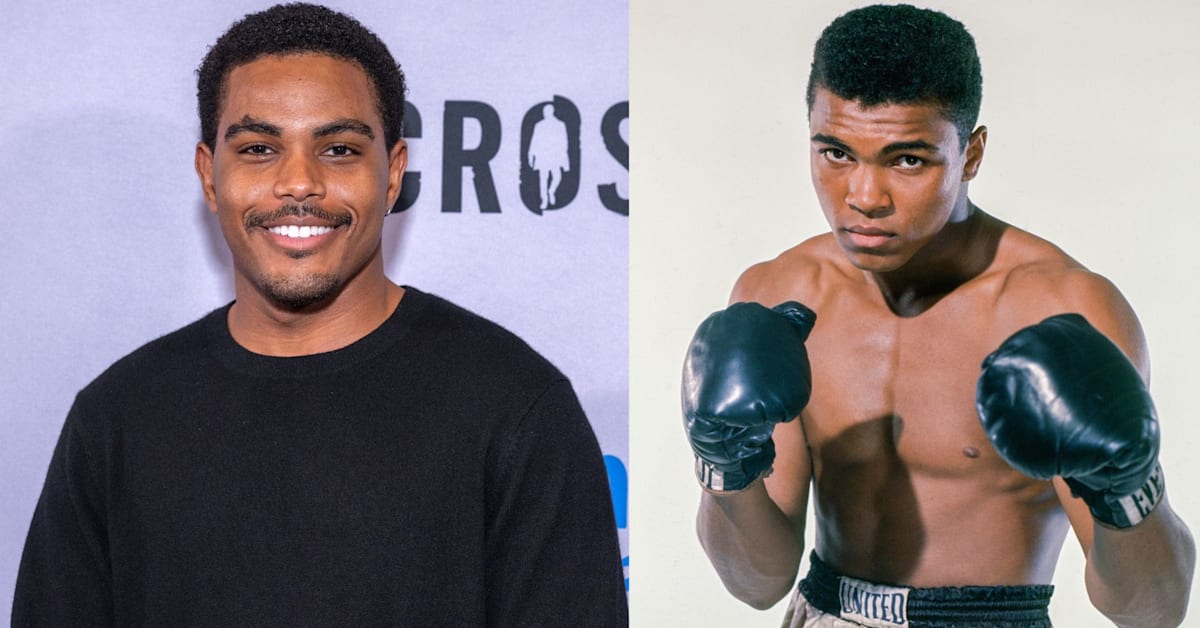
Jaalen Best's journey to portraying Muhammad Ali in Prime Video's 'The Greatest' was sealed not by a director's nod, but through the deeply personal blessing of Ali's widow, Lonnie Ali. This decision was more than just another step in the casting process; it was a turning point that transcended typical Hollywood protocols. Lonnie's approval became the final gatekeeper in an exhaustive 18-month casting saga that demanded not only talent but also an understanding of Ali's immense cultural legacy. Her involvement added a layer of authenticity and emotional weight to the project, ensuring that this portrayal of Ali would be both respectful and resonant. In this way, Lonnie Ali's blessing was not merely a formality; it was an essential endorsement that could make or break the entire endeavor.
According to People, Jaalen Best had already faced intense competition, surviving numerous rounds of auditions and rigorous physical evaluations designed to test not just his abilities but his endurance and commitment. Yet, it was Lonnie Ali's personal endorsement that ultimately confirmed him as the right choice. Her judgment went beyond his ring skills or charismatic presence; she saw in him a reflection of the iconic man she knew so intimately. 'He's the one in more ways than you know,' she reportedly stated, offering a profound affirmation that sealed Best's fate in the role. This was not merely about finding an actor who could mimic Ali's moves or bravado; it was about capturing the essence of who Ali was, a task that required more than talent, demanding depth, understanding, and an inherent connection to Ali's spirit.
The casting process was a collaborative effort led by showrunner Ben Watkins, who embarked on an ambitious search through thousands of candidates, each hoping to embody one of the most iconic figures in sports history. Watkins admitted that even after a series of rigorous rounds, which tested the finalists' physical prowess, emotional depth, and understanding of Ali's legacy, the ultimate decision rested heavily on Lonnie's judgment. Her decision was not merely one of approval but a profound declaration of faith in Best's ability to embody Ali's complex spirit. This moment of validation was captured in an interview, where the gravity of Lonnie's endorsement was palpably felt. It was a pivotal juncture that underscored the importance of authenticity and the weight of responsibility in bringing such an iconic figure to life.
The YouTube video provides a revealing insight into Best's preparation and the immense emotional weight of stepping into Ali's shoes. Best discusses how he had to channel more than just the boxer's iconic moves; he needed to deeply understand Ali’s far-reaching impact as a cultural icon. This transformative process involved more than mastering physicality or dialogue; it demanded that Best capture the essence of a man who was not only a boxing legend but also a beacon of social justice, racial pride, and unapologetic authenticity. The task required him to get into Ali's psyche, exploring the motivations and convictions that drove him to become a global symbol of resistance and empowerment. Best's portrayal aims to honor Ali's complexities, showcasing not just his victories but also the struggles and triumphs that defined his extraordinary life.
Michael B. Jordan, who executive-produced through Outlier Society, understood the gravity of such a portrayal, recognizing that this project was more than just a biographical retelling. The series gets into Ali's transformation from Cassius Clay into a heavyweight champion and cultural force, capturing the layered legacy of a man who became a symbol of defiance and hope. It's the first authorized scripted endeavor to tackle Ali's life in this comprehensive way, and it aims to reveal the layers behind the legend. The cast includes prominent names like Omari Hardwick and Michael Ealy, each bringing depth and nuance to the world around Ali, portraying the intricate relationships and societal dynamics that shaped his journey. This ensemble effort seeks to recreate not just the man in the ring, but the cultural icon who transcended sport to become a global influence.
The significance of this series cannot be overstated. It arrives nearly a decade after Ali's passing in 2016, at a time when society is actively re-evaluating its cultural icons and the narratives that have shaped public perception. The choice of Jaalen Best, a 28-year-old rising star, shows a significant shift in how narratives about Black heroes are being crafted and who is being empowered to tell them. This casting aligns with recent movements demanding greater authenticity, representation, and control over storytelling within the Black community. It echoes the broader cultural push for narratives that resonate with truth and integrity, much like Jasmine Guy's upcoming talk at Grambling State, which aims to inspire a new generation to take ownership of their stories and continue the legacy of cultural defiance and empowerment.
But this casting was about more than just acting skill; it was about authenticity, legacy, and cultural impact.
This casting was about more than just acting skill; it was about authenticity, legacy, and cultural impact.
Best's selection reflects deeper industry and cultural dynamics at play in Hollywood. The industry has a long history of whitewashing narratives or sidelining Black voices, making it crucial for projects like 'The Greatest' to get it right. In this context, Best's casting is more than a mere choice; it symbolizes a corrective action towards more genuine representation, aiming to do justice to Ali's legacy at a time when Black stories are being reclaimed across various entertainment landscapes. The series seeks not only to entertain but to educate and inspire, ensuring that Ali's story is told with the complexity and depth it deserves. Best's casting is emblematic of a broader shift towards inclusivity and authenticity, challenging the status quo and setting a new standard for how Black excellence is portrayed in media.
For Jaalen Best, this role is a turning point in his career, a once-in-a-lifetime opportunity to break out under the weight of an icon's shadow while bringing fresh perspectives to Ali's story. Unlike other biopics that might focus solely on achievements or public personas, 'The Greatest' promises to get into Ali's vulnerabilities, convictions, and the personal relationships that defined him. Best is tasked with showcasing the man behind the legend, revealing the complexities and contradictions that made Ali both a revered athlete and a polarizing figure. In stepping into these big shoes, Best is not taking the responsibility lightly. He understands the gravity of the role and is committed to delivering a portrayal that honors Ali's legacy, providing audiences with a complicated and authentic representation of a man who changed the world.
This decision also showcases the political weight Black actors carry when entrusted with roles of such significance. The pressure to honor Ali's legacy isn't just on Best's shoulders; it's a shared responsibility with the creators and producers to handle the nuances of Ali's life with respect, accuracy, and truth. This echoes the current scene where Black entertainers like Chris Brown and Usher are handling their own narratives amid media scrutiny and public expectations. The responsibility extends beyond acting; it involves a commitment to preserving the integrity of Ali's story and ensuring it resonates with audiences in meaningful ways. At a time when Black stories have often been marginalized, this portrayal is a powerful statement about reclaiming narrative control and challenging stereotypes, setting a precedent for future biographical narratives.
Underneath the surface, the dynamics of money, race, and industry politics are intricately at play. Casting choices in Hollywood are often calculated risks, influenced by an actor's marketability and the narrative producers want to sell. However, with Lonnie Ali's involvement, this project aims to transcend mere commercial interests, focusing instead on cultural authenticity and responsibility. It's proof of how Black voices are increasingly exerting control over their narratives amidst a backdrop of systemic racial imbalances. By prioritizing authenticity over profit, 'The Greatest' seeks to honor Ali's legacy in a way that resonates with truth and integrity, challenging the industry norms that have historically marginalized Black stories. This approach is a bold statement about the power of narrative ownership and the importance of telling stories that reflect the true nature of cultural icons.
As 'The Greatest' makes its grand premiere, all eyes will inevitably be on Jaalen Best. His portrayal will serve as a catalyst for conversations that extend beyond Ali himself, touching upon broader themes of identity, representation, and legacy. This series has the potential to reshape how stories of Black excellence are told, challenging viewers to reconsider everything from historical portrayals to contemporary dialogues about race, achievement, and social justice. Best's performance will be scrutinized not only for its artistic merit but for its cultural impact, setting a new standard for how biographical narratives are approached in an era increasingly focused on authenticity and representation. The stakes are high, but the opportunity for meaningful change is even greater, offering a chance to inspire and engage audiences in powerful and transformative ways.
Advertisement
What this series achieves will set a precedent for future biographical narratives. It's about more than entertainment; it's an educational and cultural milestone. As the curtains rise, the responsibility and the opportunity for Best and his co-stars to honor Ali's legacy is immense. The journey of 'The Greatest' is just beginning, and in its wake, it may pave the way for new discussions, new talents, and new stories that resonate far beyond the screen.
More from PowerVault Network: