Jimmy Butler's AI Antics: What His Troll Says About NBA's New Era
By Renee Fontaine, PowerVault Staff Jimmy Butler isn't letting something as unfortunate as a torn ACL keep him out of the game. The Miami Heat star posted on Instagram after his team suffered a 20-point loss to the Go...
Advertisement

By Renee Fontaine, PowerVault Staff
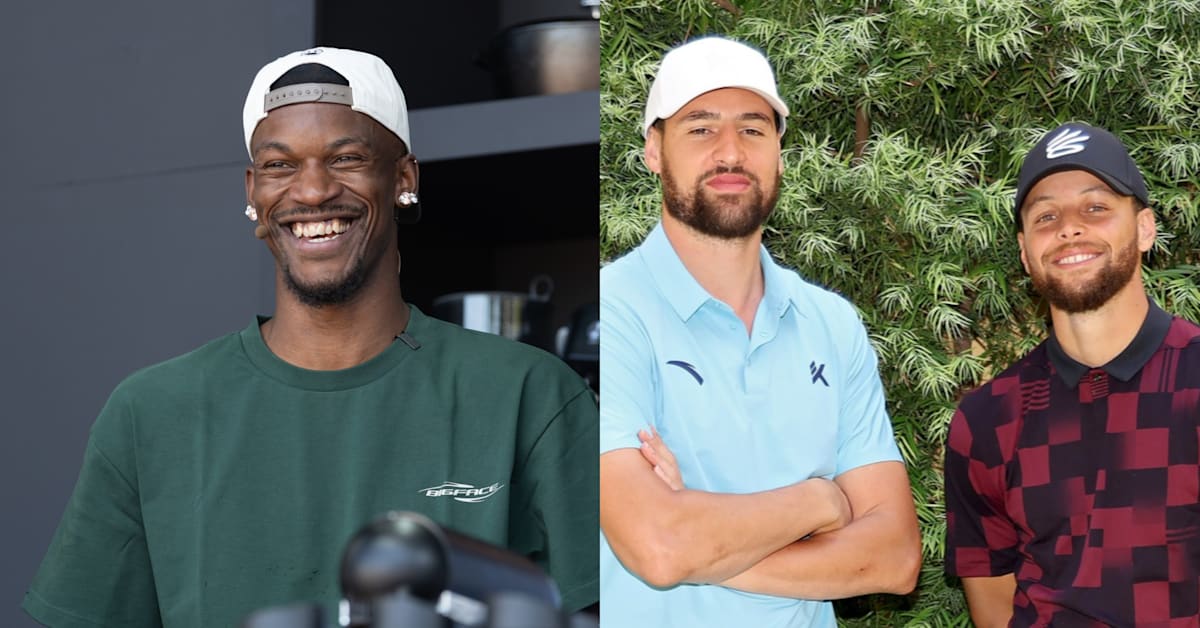
Jimmy Butler isn't letting something as unfortunate as a torn ACL keep him out of the game. The Miami Heat star posted on Instagram after his team suffered a 20-point loss to the Golden State Warriors, using AI technology to poke fun at former Warriors teammates Stephen Curry and Klay Thompson. In this digital age, where players are brands unto themselves, Butler's playful jab is more than just a joke; it's a statement on how Black athletes are rewriting the script in a predominantly White league. This is more than about keeping spirits high but also about challenging the traditional narratives and power dynamics that have long governed professional sports. By using humor and technology, Butler embodies the resilience and ingenuity that Black athletes often need to thrive in environments that were not originally designed for them.
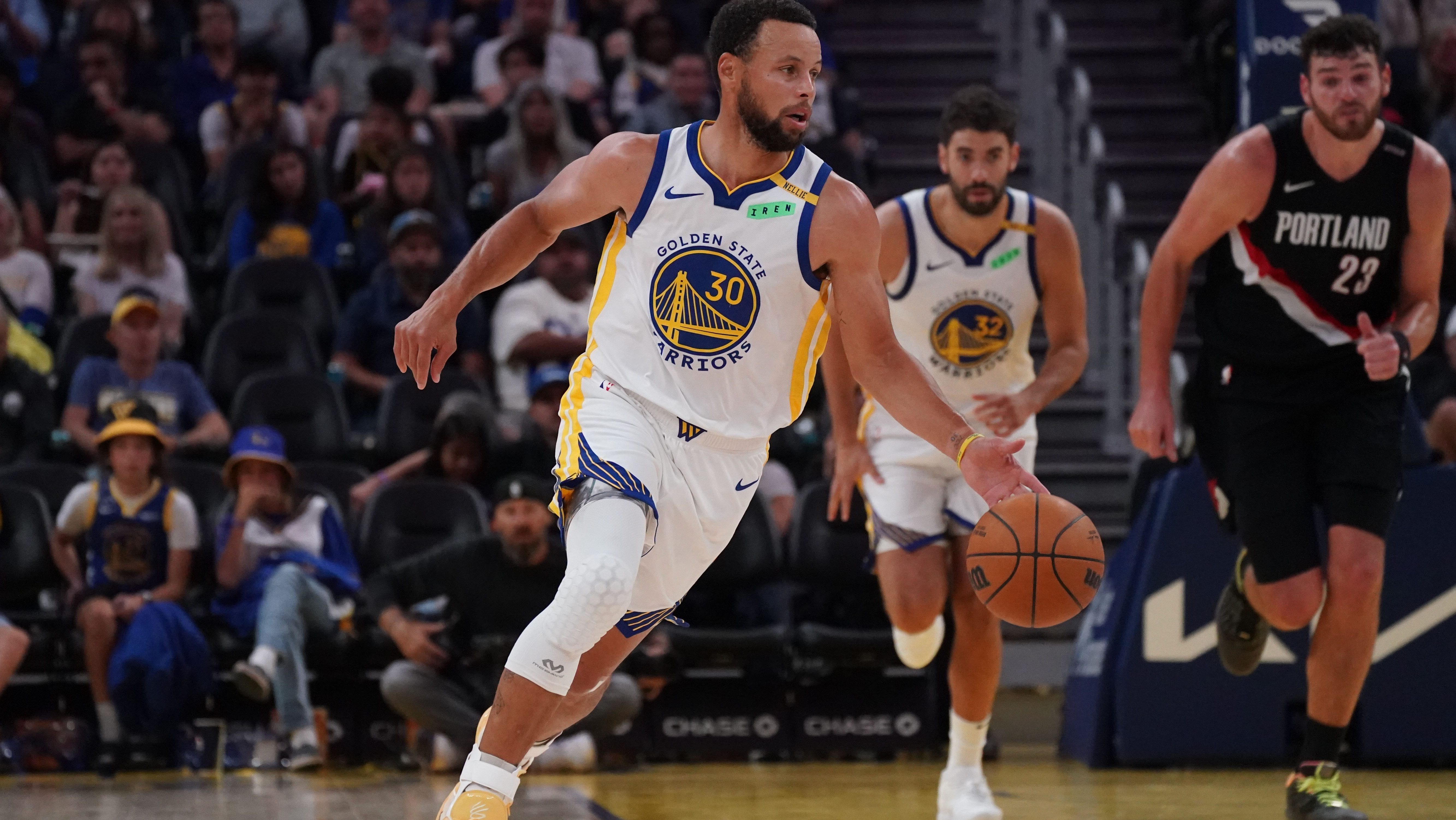
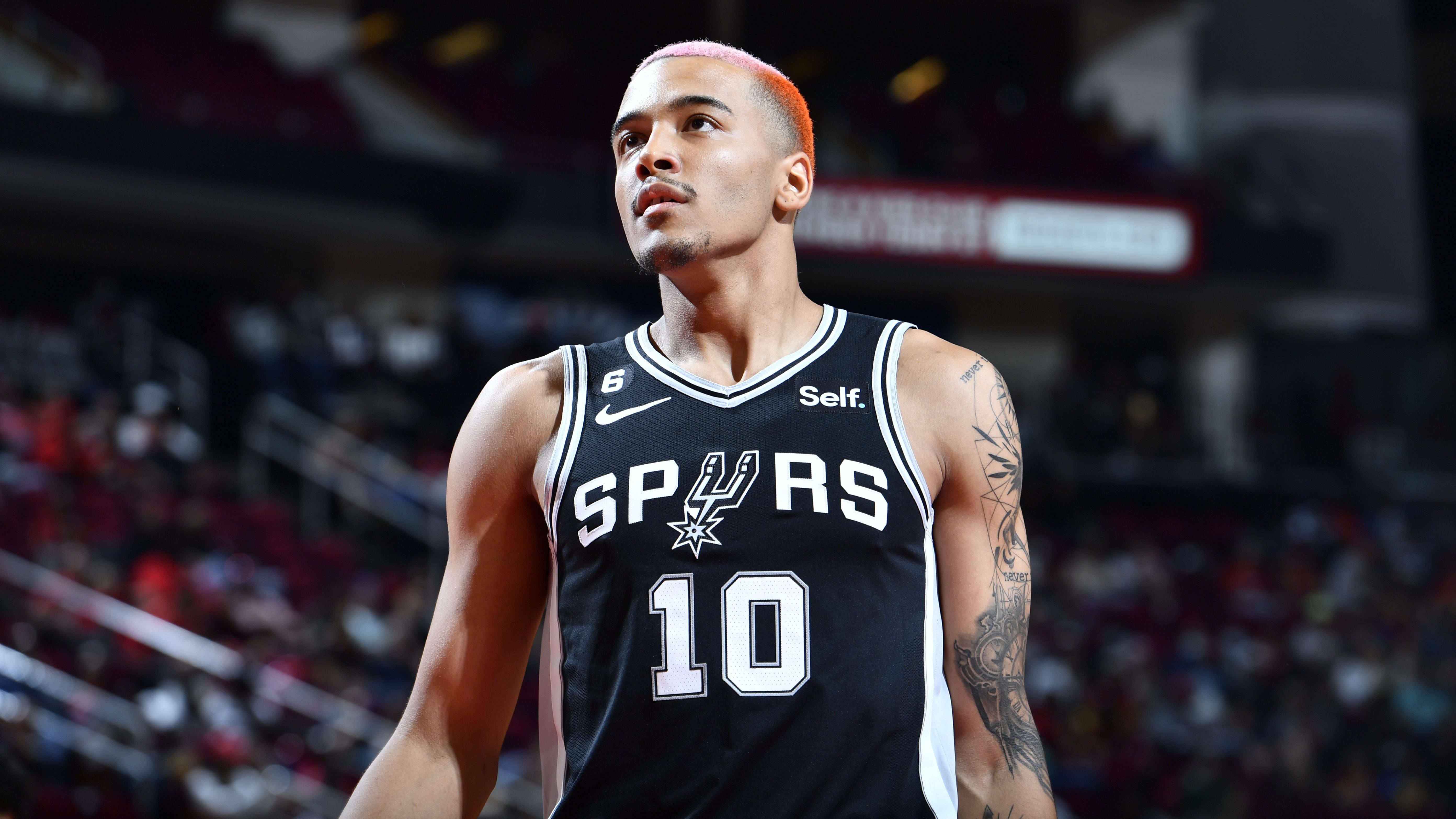
Following Golden State's recent 120-100 victory over the Miami Heat, Butler shared an AI-generated video that blends Hollywood humor with NBA drama. As ESPN reported, the video cleverly recycled a scene from the 1999 Martin Lawrence movie 'Blue Streak,' inserting AI-generated versions of Curry and Thompson into the mix. In this clip, Curry snatches a metaphorical 'W' from Thompson while Draymond Green and the Warriors' rookie Yaxel Lendeborg watch from the sidelines, adding layers to a rivalry thick with history, nostalgia, and drama. The scene resonates not only because of its comedic value but also because it shows the evolving nature of relationships in the NBA. Players may switch teams, but the competitive spirit and personal connections remain, highlighting a league where loyalty is both treasured and tested.
The video quickly garnered attention, showcasing the dynamic ways athletes engage with fans in the digital realm. Butler, sidelined since January due to his ACL injury, has embraced AI as a form of self-expression, weaponizing humor and creativity to stay relevant. This approach not only keeps his name in the conversation but also allows him to maintain a connection with fans who are eager to see his return. At a time when athletes are expected to be visible and active even off the court, Butler's innovative use of technology serves as a blueprint for others. The AI video, blending cinematic flair with sports rivalry, reflects a broader trend where athletes are not just players but content creators, influencing how their stories are told and consumed.
Thompson, who recently joined the Miami Heat after a storied 13-season run with the Warriors, found himself at the heart of Butler's comedic creativity. Despite this being a regular season game, the layers of drama were palpable. Thompson, facing his former comrades, relished the opportunity to compete against familiar faces, a sentiment he shared openly before the matchup. "Hopefully I can continue the same flow," he mused, reflecting on his prolific scoring history at Chase Center. But when the dust settled, it was Curry's 29-point performance that stole the show. Yet the real story was not just about the numbers but the emotional weight of facing former teammates, an experience that is as much about personal growth as it is about professional achievement. The game served as a reminder that while players may change jerseys, their shared histories ensure that every matchup carries an undercurrent of significance.
Yet, beneath the camaraderie and competition lies a deeper narrative. Thompson's transition from the Warriors to the Heat wasn't just a career move; it was a chapter in a broader tale of athlete empowerment and agency. As players handle their careers, they are increasingly taking control of their destinies, making moves that align with personal goals and values rather than simply adhering to team dynamics. This story of shifting alliances and evolving career paths says a lot about the modern NBA scene. It is a league where players, particularly Black athletes, are leveraging their influence to shape their futures. The AI creation that Butler shared encapsulates these themes, blending humor and rivalry to reflect the complex realities of modern professional sports, where loyalty, ambition, and identity continually intersect.
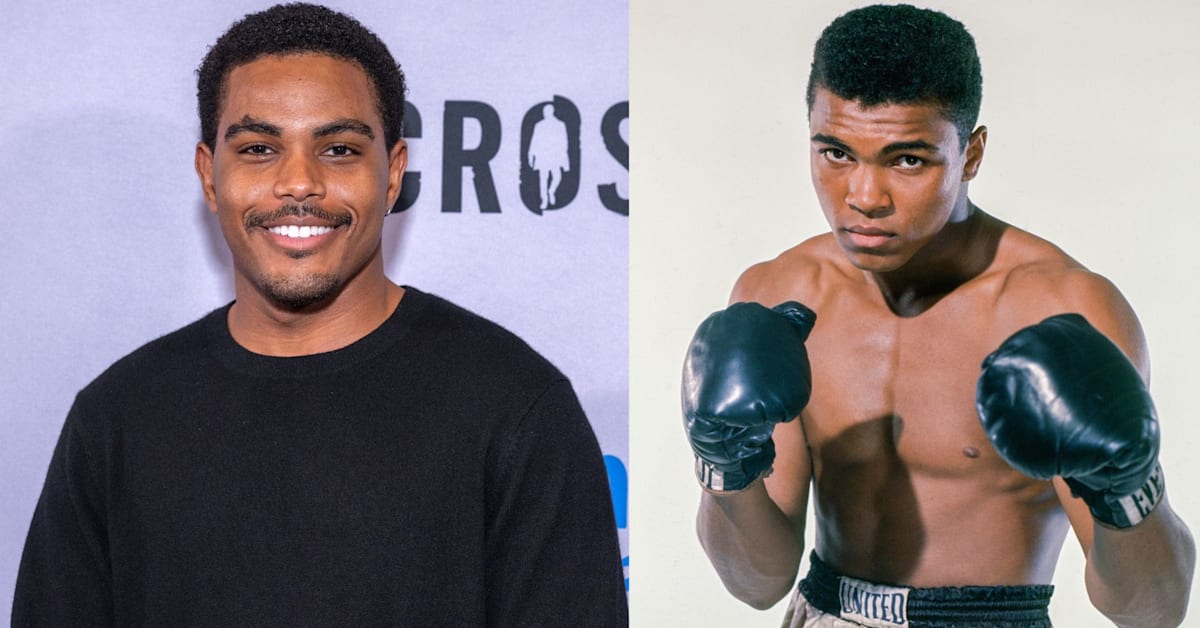
This playful rivalry between Butler and the former Splash Brothers shows a broader cultural shift. Once silent actors behind the scenes, today's athletes are controlling their storylines with deft creativity. Just as Jaalen Best leveraged his portrayal of Muhammad Ali to transcend acting, players like Butler are utilizing technology and social platforms to build narratives that echo off-court triumphs and struggles, redefining what it means to be an athlete in the public eye. In many ways, Butler’s irreverent humor is a kindred spirit to the HBCU pride on display during events like the Fountain City Classic. These moments of cultural expression are not just about entertainment; they are about claiming space and asserting identity within a sports industry that has often marginalized diverse voices. By harnessing technology, these athletes are crafting multi-dimensional personas that resonate with fans and challenge traditional paradigms.
Butler's antics with AI are not just about humor. He's actively rewriting the narrative around what it means to be a sidelined athlete. Instead of retreating to the shadows during recovery, Butler is front and center, using his presence to challenge what rehabilitation looks like. It's not just the player who's injured; it's the brand, the persona, the public figure. And Butler, with his AI video antics, is saying he's still in the game.
Butler's antics are a vibrant reminder of how Black athletes continue to shape narratives on and off the court.
In an era where the intersection of sports, culture, and technology becomes increasingly complex, Butler’s playful jabs are not just distractions. They're proof of the evolving scene where athletes wield unprecedented influence. The NBA, long considered the most progressive of the major American sports leagues, is now a stage where players are both the stars and the directors. Much like how The Weeknd's mind-blowing $1.3 billion tour redefined industry standards, Butler's antics are a vibrant reminder of how Black athletes continue to shape narratives on and off the court. They aren't merely participants in this new digital age; they are architects of their destinies, using every tool at their disposal to craft stories that are as impactful as their on-court performances. This shift signifies not just a change in how athletes are viewed but also in how they view themselves, as not just sports figures but as cultural icons.
The camaraderie and competition between Curry and Thompson also provide a lens to examine larger issues within the NBA. Their shared history, filled with championship rings and unforgettable moments, suggests a narrative of brotherhood and loyalty, yet it also highlights the stark reality of trades and transitions in professional sports. Every game is a microcosm of the tension between personal ambition and team loyalty, a balance that athletes must handle in a league driven by contracts and bottom lines. The NBA's business aspect often clashes with the personal bonds formed over years of shared struggle and success. This duality is a constant reminder that while the sport is played on the court, its implications ripple far beyond, affecting the personal and professional lives of those who have dedicated themselves to it. The challenge lies in maintaining those connections while striving for individual greatness.
Moreover, the reality of an AI-driven, social media-centric world offers both opportunity and risk. For Black athletes like Butler, who handle a predominantly white sports industry, these platforms are double-edged swords. While they offer unprecedented reach and influence, they also invite scrutiny and perpetuate the pressure to perform, entertain, and engage continually. This dynamic is reminiscent of the pressures faced by athletes like Ja Morant, as seen in his story of predictions, politics, and pressure. Social media has given athletes a voice and a platform to share their unfiltered truths, yet it also subjects them to relentless public judgment and the ever-present demand for content. Balancing authenticity with public perception is a tightrope walk, one that requires resilience and strategic acumen. This environment demands that athletes not only excel in their sport but also master the art of public engagement.
As Butler continues his recovery, the expectation is that he will not only return physically stronger but also with a sharper edge in leveraging his brand. His strategy of staying in the public eye via humor and tech innovation sets a precedent for other athletes. However, as technology blurs boundaries between privacy and publicity, athletes must learn to handle these waters carefully, mindful of the line between engagement and exploitation. The digital age offers endless possibilities for brand building, but it also comes with pitfalls that can undermine an athlete's reputation. Handling this scene requires a complicated understanding of how to maintain personal integrity while engaging a global audience. As Butler demonstrates, the key lies in authenticity, using technology not as a mask but as a mirror reflecting one's true self, even when sidelined by injury.
Advertisement
Looking ahead, Butler’s antics have set a new bar for how athletes engage with their peers and fans. As the NBA continues to evolve, the question will be whether the league can keep pace with its players’ creativity and adaptability. Butler's case is a litmus test for the future, where players are not only athletes but auteurs, crafting intricate tapestries of sports, culture, and tech. Our eyes are on Butler, watching how this next chapter unfolds. Will the NBA embrace this new era of player-driven narratives, or will it struggle to adapt to a scene where athletes are more than just performers? The outcomes will shape the future of sports, influencing how stories are told and who gets to tell them, as athletes continue to push the boundaries of what it means to be a professional in the modern age.
More from PowerVault Network: