Jameis Winston and the Weight of Expectations in the NFL
By Marcus Ellison, PowerVault Staff Under the bright lights of MetLife Stadium, the unexpected became Jameis Winston's reality. The murmur of the crowd turned into a roar as Jaxson Dart, the New York Giants' starting...
By Marcus Ellison, PowerVault Staff
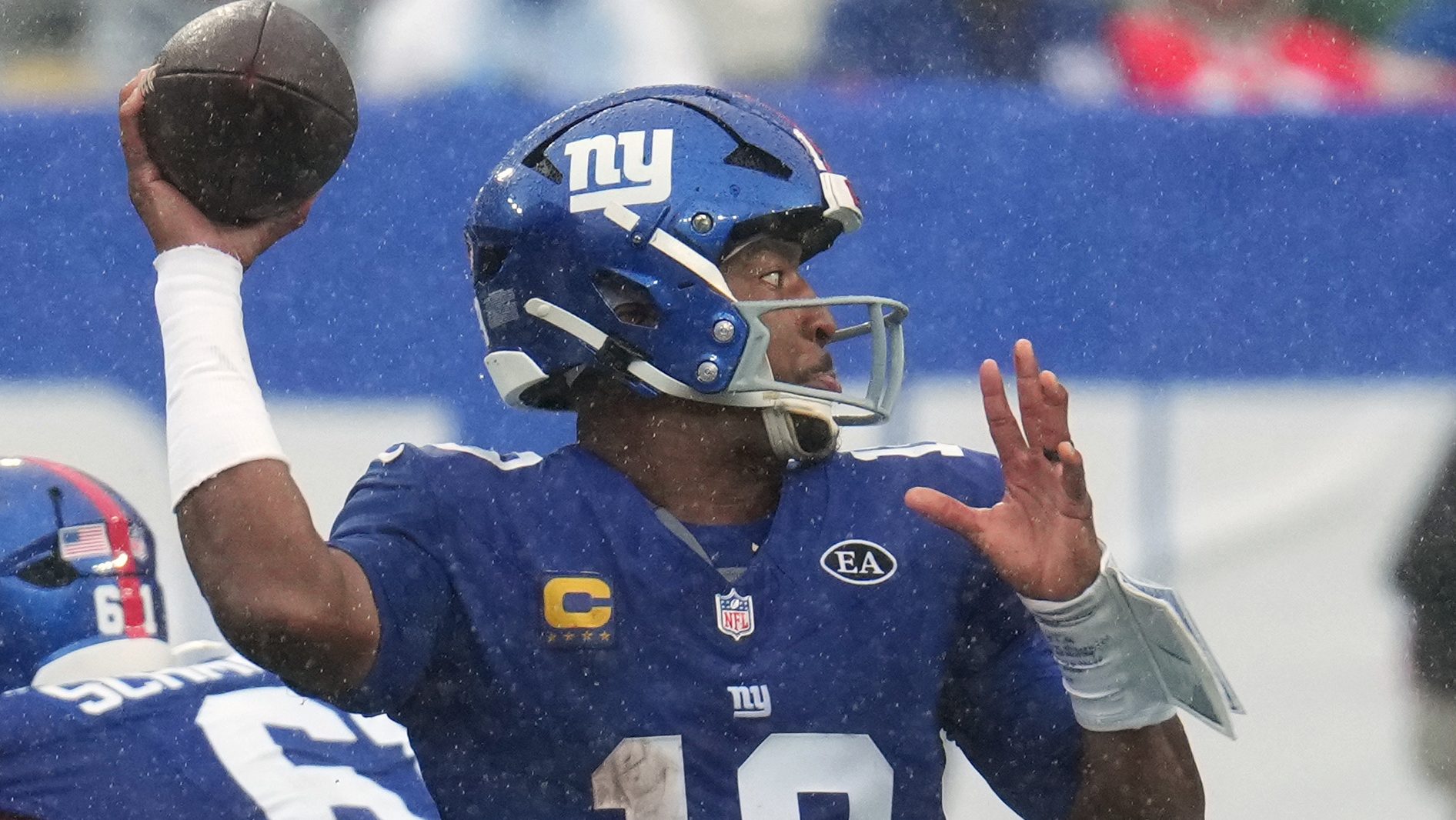
Under the bright lights of MetLife Stadium, the unexpected became Jameis Winston's reality. The murmur of the crowd turned into a roar as Jaxson Dart, the New York Giants' starting quarterback, took a grimacing hit to the knee, leaving the Giants' sideline tense and uneasy. As medics rushed to assess Dart’s condition, Winston was thrust from the shadows into the spotlight, a place he knows all too well. This moment wasn’t just about stepping up for his team, but about reshaping a career narrative that’s been both promising and checkered.
Winston entered the season as a backup, a role he’s been adapting to since leaving the Tampa Bay Buccaneers. His stint there, marked by explosive plays and equally spectacular setbacks, ended with a quiet exit. Yet here he was, given a chance to redefine his legacy. It's moments like these that are familiar to many Black athletes handling a league where their value can feel conditional, a precarious dance on a tightrope where one misstep can overshadow years of hard work.
When Winston took over the reins during that game against the Rams, it was more than just a substitution, it was a chance to rewrite his story. Sports narratives are relentless in their simplicity: hero or villain, starter or backup, saint or scandal. Winston's journey encapsulates all these elements, a testament to the high-stakes nature of professional sports. His career, shadowed by well-documented controversies, has been a public battle not just on the field, but off it too. From the settlement over a 2012 sexual assault accusation during his college days at Florida State (ESPN) to the Uber groping case settlement (ESPN), Winston’s off-field issues have often overshadowed his undeniable talent.
But what does stepping into the starting role mean for Winston now? In a league still grappling with its own issues of inclusivity, representation, and accountability, Winston's journey is emblematic of the broader challenges Black athletes face. As he huddles with his teammates, calling plays and adjusting strategies, he’s not just fighting for a victory on the scoreboard, but for his place in a league that is both opportunity and obstacle.
The NFL is a reflection of broader societal dynamics. It's a multibillion-dollar industry where the labor force is predominantly Black yet owned and controlled by Caucasian billionaires. The stakes for Black athletes are inherently different. They must excel amidst scrutiny that's often harsher and laden with stereotypes. The ability to handle these waters goes beyond physical prowess; it demands a resilience to withstand and counter narratives that don't serve them.
For Winston, this opportunity with the Giants could be transformative. It’s a chance to show growth, not just as a player but as a leader. He’s shown flashes of brilliance before, leading the league in passing yards in 2019, yet those highs have often been overshadowed by the lows. And it’s this duality, his capacity for brilliance and blunder, that keeps the world watching.
In the video below, the intensity of the game and Winston’s determination is palpable.
His teammates look to him for direction, and the pressure is evident. Winston knows that one game can change everything, for better or worse.But why does this matter to the community? Winston's narrative is a microcosm of the larger story of Black athletes striving in systems not designed for them to succeed. It’s about reclaiming agency and narrative control, about showing young athletes that it's possible to rise, fall, and rise again. For every Winston, there are countless others who never get the shot to rewrite their story, who are boxed in by a single narrative.
From a systemic standpoint, teams like the Giants have a part to play. They can choose to define their players by their past mistakes or by their potential for redemption and growth. Winston’s presence on the field is a challenge to the structures that often discard Black athletes when they’re no longer deemed beneficial. His journey is a reminder that talent needs nurturing, not just when convenient, but through the trials that inevitably accompany any professional sports career.
As the season progresses, it's unclear what Winston's role will evolve into, but the implications stretch beyond the game. His success could challenge the league to rethink how it supports its players both on and off the field, to invest in their holistic growth. In the tumultuous world of the NFL, Winston's comeback is more than personal, it's a statement.
The second game highlight below provides further context on Winston's gameplay under pressure.
Watch closely as he maneuvers, illustrating both his physical agility and mental fortitude.Winston's journey is a reminder that talent needs nurturing, not just when convenient, but through the trials that inevitably accompany any professional sports career.
In the grand mix of sports, Winston's narrative is one that continues to evolve. The echoes of his footsteps on the gridiron resonate with those who know too well the struggle between potential and perception. In the coming games, every snap he takes, every pass he throws, every decision he makes will be scrutinized not just for its immediate impact, but for what it signifies to a community watching from the sidelines.
Looking forward, the question isn't just about whether Winston will succeed with the Giants, but what his journey will inspire. Will it urge the NFL to foster environments where players can mature and transform? Will it encourage a young athlete to believe in second chances? As Jameis Winston steps onto the field, he's not just playing a game, he's challenging the very narrative of what a Black quarterback in the NFL can achieve. It's a story worth following, both for the game and for the culture.