Jasmaine Smoak Arrest: What Happened to Colby Cooks and the System That Failed Him
By Malik Carter, PowerVault Staff In a disturbing case that has gripped Atlanta and rattled the community, Jasmaine Smoak, a 32-year-old woman, is facing serious allegations that have left many questioning how such a...
Advertisement

By Malik Carter, PowerVault Staff
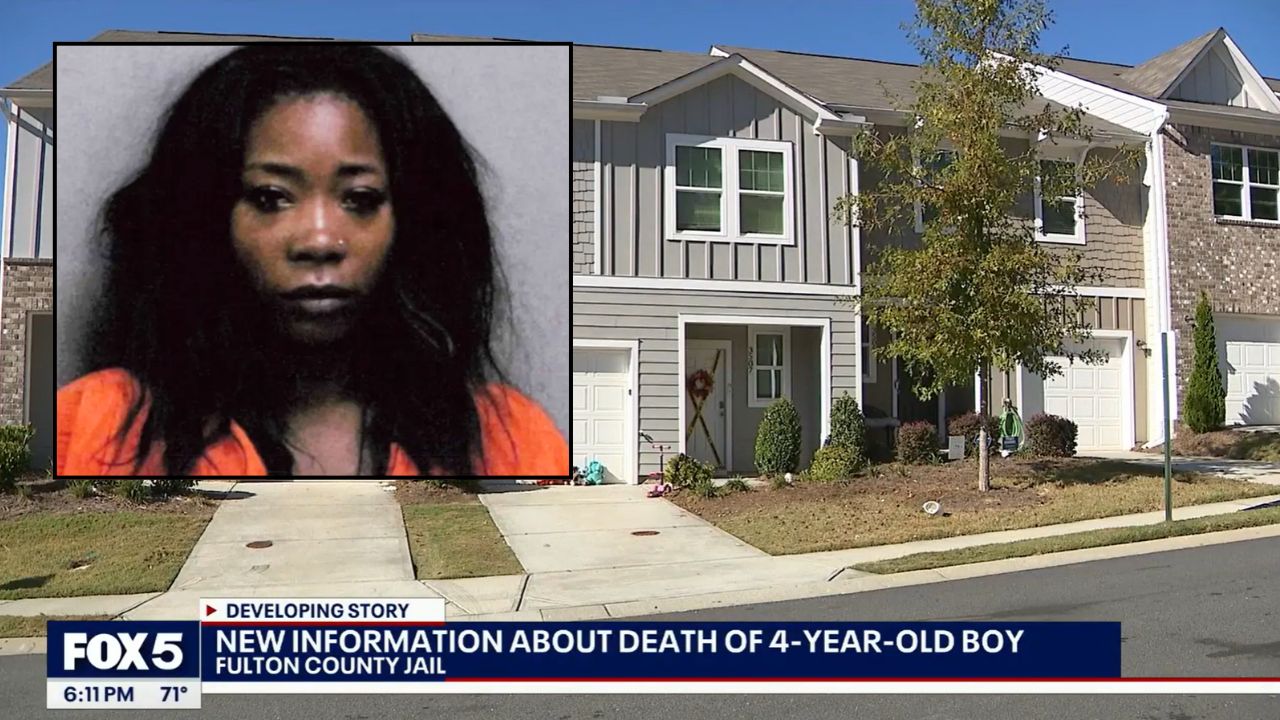
In a disturbing case that has gripped Atlanta and rattled the community, Jasmaine Smoak, a 32-year-old woman, is facing serious allegations that have left many questioning how such a tragedy could occur. She stands accused of the murder of 4-year-old Colby Cooks, a child who should have been safe under her care. The charges against Smoak, which include murder, aggravated assault, and child cruelty, show a catastrophic failure in protecting the most vulnerable members of our society. These allegations not only highlight individual culpability but also bring to light broader systemic issues within child welfare services that failed to safeguard these children from harm, leaving families and neighbors in a state of grief and disbelief.
According to the Atlanta Police Department, the gruesome discovery of Colby Cooks' lifeless body inside an Atlanta apartment came after officers conducted a welfare check. The initial investigation painted a harrowing picture of neglect and violence that culminated in Smoak’s arrest. It was a scene that no officer or community member should have to witness, revealing the extent of the brutality that had transpired. In a development that further complicates this heart-wrenching case, a second woman, Jasmine Jenkins, also faces charges of murder and child cruelty. Her involvement adds another layer of complexity to an already bewildering situation, demanding thorough investigation and clarity about the circumstances leading to such a profound tragedy.
As the investigation unfolded, it became evident that Jasmaine Smoak was the appointed guardian for Colby Cooks and his brother Cayden while their mother was incarcerated. This arrangement was meant to provide stability and care, but it tragically ended in violence. Upon Smoak's arrest in Wilkes County, authorities found her with three other children, including Cayden, who was in a dire state, suffering from severe injuries that necessitated immediate medical intervention. The condition of these children, particularly Cayden’s critical state, raises significant concerns about the duration and severity of the alleged abuse they endured. The circumstances of their care, or lack thereof, demand a closer look at how such responsibility was entrusted to Smoak without apparent oversight.
In the aftermath of these tragic events, numerous questions arise about the systemic failures that allowed such a devastating outcome. The children, left under the guardianship of Jasmaine Smoak, were found with injuries that were both visible and alarming, indicating a prolonged period of abuse that somehow went unnoticed by those responsible for their welfare. Despite the clear signs of maltreatment, it appears that no intervention was made until it was too late to save Colby. This failure says a lot about the current state of child protective services and the gaps in the system that need urgent attention to prevent future tragedies. The lack of timely action raises serious concerns about the efficacy of the protocols in place to monitor and protect vulnerable children.
The Fulton County Medical Examiner's Office's confirmation that Colby Cooks suffered death by blunt force trauma, officially ruled a homicide, is a chilling revelation that demands accountability at multiple levels. This finding not only highlights the severe nature of the violence inflicted upon him but also raises critical questions about the protocols designed to identify at-risk children and intervene before it's too late. The systemic gaps that allowed such a brutal outcome to occur must be scrutinized, and the mechanisms for monitoring the welfare of children in similar circumstances need urgent reform. This case serves as a stark reminder of the life-and-death consequences of failing to protect our most vulnerable citizens.
Tragically, this incident is not an isolated case. Across the United States, similar heartbreaking stories have emerged, revealing a pattern of systemic failures in safeguarding children. The 2023 Milwaukee case involving a 1-year-old child similarly exposed the vulnerabilities and inadequacies in child protective services. Despite the established protocols and policies, these recurring tragedies show the urgent need for comprehensive reform and accountability within the systems intended to protect children. The repeated occurrence of such cases suggests systemic issues that go beyond individual failures, pointing to broader institutional deficiencies that require immediate and sustained action to ensure the safety and well-being of all children.
But this is more than just another statistic. It's a wake-up call.
This tragedy shows a broader systemic failure in protecting our children.
The implications for the community are profound and far-reaching. This is not merely about one child or one caregiver, it speaks to a societal obligation to protect the most vulnerable among us. The repeated and glaring failures of protective services in cases like this necessitate a thorough reevaluation of the current policies and practices. We must question whether we are doing enough to ensure that individuals entrusted with the care of children are adequately vetted and supported. The tragic outcomes seen in these cases demand systemic changes to prevent further harm, and as a society, we must commit to instituting and enforcing measures that prioritize the safety and well-being of all children.
Furthermore, the role of the justice system in preventing such tragedies warrants serious scrutiny. Too often, cases are mired in bureaucratic red tape, with critical red flags overlooked due to insufficient resources or oversight. This tragedy highlights a broader systemic failure in the protection of our children, where the mechanisms intended to safeguard them fall short. It is imperative that accountability is demanded from those responsible for these lapses, whether they be in law enforcement, social services, or the judicial system. Only through a comprehensive examination and overhaul of these processes can we hope to address the deficiencies that leave children vulnerable to such grievous harm.
For the community, this story resonates deeply with frustration and anger. Many view it as yet another instance of systemic neglect, particularly within predominantly Black neighborhoods where resources and attention are often scarce. This recurring pattern exacerbates existing distrust between the community and those who are supposed to protect and serve them. The lack of equitable distribution of resources and the perceived indifference to the plight of marginalized communities contribute to a cycle of despair and resentment. Addressing these disparities is crucial in rebuilding trust and ensuring that all communities receive the attention and protection they deserve, irrespective of socioeconomic or racial factors.
Advertisement
Racial and economic disparities add another layer of complexity to this already troubling narrative. In communities of color, where economic hardships are more common, families frequently find themselves with limited resources and fewer options for securing safe and reliable child care. This situation raises urgent questions about equity and access to social services, highlighting the critical need for systemic change to address these disparities. The lack of support and resources in these communities not only puts children at risk but also perpetuates cycles of poverty and vulnerability. Meaningful reform must prioritize addressing these inequities to ensure that all families have access to the support they need to thrive.
Looking to the future, the unfolding of this case is critical in testing the justice system's dedication to accountability and reform. For Colby Cooks, justice involves more than punitive measures; it requires ensuring that no other child suffers a similar fate. As a community, we must remain vigilant, advocating for substantive changes and standing up for those who cannot speak for themselves. This tragic story is ongoing, but only through collective action and a commitment to systemic reform can we alter its course. The responsibility lies with each of us to demand better and to work towards a system that genuinely protects and supports our children.