Retired NYPD Detective Indicted: The Road Rage Killing of Koran Irvine
By Simone Walker, PowerVault Staff Victor Romero, a retired NYPD detective, now faces a second-degree murder charge for the alleged road rage killing of Koran Irvine, a Black father of two. The incident, described as...
Advertisement

By Simone Walker, PowerVault Staff
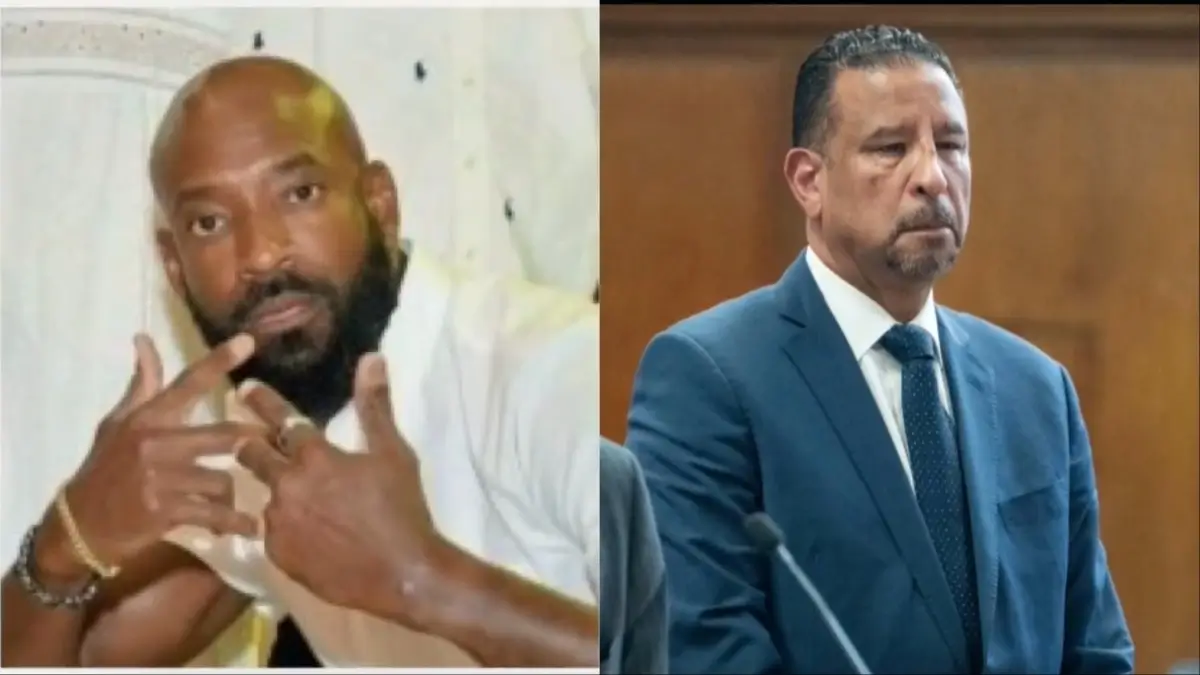
Victor Romero, a retired NYPD detective, now faces a second-degree murder charge for the alleged road rage killing of Koran Irvine, a Black father of two. The incident, described as senseless and tragic, unfolded on the George Washington Bridge, a major artery connecting New York and New Jersey. On that fateful day, Romero allegedly shot Irvine following a near-collision that escalated into violence. The former detective's ability to post a $1 million bail has kept him free pending trial, a fact that has prompted widespread questions about justice and accountability. This case highlights the complexities and perceived inequalities in the legal system, especially when it involves someone who once wore a badge. The community is left grappling with the idea that someone entrusted to uphold the law could be accused of such a grave crime.
Koran Irvine, a 46-year-old Con Edison worker, was returning home after working overtime on October 20, a day meant to end with ordinary routine but instead shattered by tragedy. Reports indicate that Romero, 62, tailgated Irvine's vehicle, creating a tense and dangerous situation on the crowded bridge. Allegedly, Romero then pulled alongside Irvine and fired the fatal shot, cutting short the life of a man beloved by his family and respected in his community. This tragedy extends beyond personal loss, resonating with systemic issues in the justice system, particularly in cases involving law enforcement. The incident has prompted a community-wide reckoning, questioning how justice is served and the ongoing disparities that affect Black individuals, especially when law enforcement is involved.
The grand jury's decision to indict Romero on second-degree murder charges marks a pivotal step forward in the quest for justice. However, the initial reduction of charges to first-degree manslaughter raised eyebrows and fueled skepticism about the judicial process. Such decisions often reflect underlying biases, particularly when involving former law enforcement officials. Romero remains free on a $1 million bail, a situation that has stirred discontent and frustration among Irvine's family and the broader community. Outside the courthouse, supporters demand accountability and transparency, their presence proof of the deep-seated need for justice. As the legal proceedings continue, with the next court date set, the community remains vigilant, aware of the challenges that lie ahead in ensuring that this case receives the scrutiny and fairness it deserves.
The clip that set everything off is more than a mere piece of evidence; it is a stark reminder of the events that led to the tragic loss of Koran Irvine. In the age of digital media, such clips have become powerful tools in shaping public perception and driving the narrative around incidents of violence. This particular footage, capturing the moments before and after the alleged shooting, has been widely circulated, fueling public outrage and calls for justice. It offers a raw glimpse into the chaos and fear experienced by those involved, underscoring the urgent need for accountability. As the clip continues to be analyzed and dissected, it serves as a crucial element in the broader conversation about race, policing, and justice in America.
The escalation of charges from manslaughter to second-degree murder in Romero's case is significant, yet it brings to light a deeply troubling reality within the justice system. Cases like Irvine's highlight the persistent racial disparities in how Black victims are treated and the leniency often shown to former law enforcement officials. This pattern is not an anomaly but a reflection of systemic issues that plague the justice system. Romero, once a figure of authority tasked with upholding the law, now faces accusations of having broken it in the most irreversible way possible. His case shows the double standards that often benefit those with ties to law enforcement, sparking a broader dialogue about the need for reform and accountability in ensuring that justice is truly served for all individuals, regardless of race or background.
Irvine's untimely death adds to a grim and growing record of Black lives lost to senseless violence, a tragic pattern that has become all too familiar. The historical context cannot be ignored; cases involving former police officers, such as those of George Floyd and Breonna Taylor, have often seen delays in justice or lesser charges. These patterns are not mere coincidences but rather indicative of a justice system that often shields its own, prioritizing the protection of law enforcement over the lives of marginalized communities. This systemic failure highlights the urgent need for comprehensive reforms that address these disparities. Irvine's death serves as a painful reminder of the ongoing struggle for justice and equality, challenging society to confront and dismantle the structures that perpetuate racial injustice and violence.
The question begs: how many more tragedies before the system changes?
The justice system's handling of Black lives remains perilously flawed.
For the Irvine family and their supporters, the recent indictment of Romero represents only a tentative step toward achieving justice. While it offers a glimmer of hope, trust in the justice system remains fragile and uncertain. This case demands a transparent and fair trial, one where Romero is held accountable for his actions despite his past role in law enforcement. Too often, Black families are left in the shadows of grief, mourning their loved ones without ever seeing justice served. This case must break that cycle, ensuring that the truth is uncovered and that accountability is prioritized over the protection of former officers. The broader community watches closely, aware that the outcome will not only impact Irvine's family but also set a precedent for how similar cases are handled in the future.
For the broader community, Romero's case lays bare the ongoing challenges in how road rage incidents involving former law enforcement officers are addressed within the justice system. The biases inherent in these proceedings are glaring and demand urgent reform. These incidents are not isolated; they are symptomatic of deeper, systemic issues within a structure that needs a comprehensive overhaul to ensure that all lives are valued equally. The case calls for introspection and action, pushing for changes that go beyond mere rhetoric and address the root causes of injustice. The community's outcry is a call to action, demanding that the justice system evolve to reflect the values of equity, fairness, and accountability for all, regardless of race or professional background.
The Instagram post below captures the raw emotions and collective grief of those affected by Koran Irvine's tragic death. In today's digital age, social media has become a powerful platform for amplifying voices and rallying support for justice. This particular post serves as a heartfelt tribute to Irvine, showcasing the outpouring of love from his family, friends, and community. It reflects the deep sense of loss felt by those who knew him and shows the broader community's demand for accountability and change. As these emotions are shared and echoed across digital platforms, they contribute to a growing movement that seeks to honor Irvine's life by ensuring that his death is not in vain, but rather a catalyst for meaningful reform and justice.
Community leaders are calling for comprehensive changes to address the systemic flaws in the justice system's handling of Black lives. The current state of affairs is perilously flawed, with racial biases and inequities deeply entrenched in legal processes. As Irvine's family grapples with an unimaginable loss, advocates are urging for reforms that transcend rhetoric and lead to tangible outcomes. This includes addressing racial biases, holding law enforcement accountable for their actions, and ensuring that Black communities are neither overshadowed nor ignored when tragedies occur. The call for change is urgent and necessary, with leaders emphasizing the need for policies that protect and empower marginalized communities, ensuring that their voices are heard and that justice is served equitably.
Advertisement
The dynamics of race, class, and power are undeniably at play in this case, with Romero's former position potentially affording him privileges not typically extended to Black defendants. This disparity highlights the systemic inequalities that persist within the justice system, where individuals with ties to law enforcement may receive more favorable treatment. As the trial proceeds, it is crucial for the public to remain vigilant, ensuring that the judicial process does not default into familiar patterns of disparity and injustice. The outcome of this case has the potential to set a precedent, challenging the system to address its biases and prioritize fairness and equality for all individuals, regardless of their background or former affiliations.
As this case moves forward, it's crucial for the public to stay informed and engaged. Koran Irvine's death cannot simply become another statistic. The outcome of Romero's trial could set a precedent for how similar cases are handled in the future. The journey towards justice for Irvine challenges us all to demand accountability and equity in our legal system.