JAŸ-Z Takes the Super Bowl Stage: What His Halftime Show Means for Black Representation
By Marcus Ellison, PowerVault Staff JAŸ-Z's announcement as the Super Bowl LXI Halftime Show headliner has sparked a mix of admiration and critique. As the NFL's go-to curator of musical programming via Roc Nation, so...
Advertisement

By Marcus Ellison, PowerVault Staff
JAŸ-Z's announcement as the Super Bowl LXI Halftime Show headliner has sparked a mix of admiration and critique. As the NFL's go-to curator of musical programming via Roc Nation, some see his headlining spot as a conflict of interest, arguing that it blurs the line between business and personal gain. Yet, for others, it's a well-earned moment for a figure whose influence goes beyond beats and rhymes, resonating deeply within the cultural fabric of America. JAŸ-Z is not just a rapper; he's an emblem of Black excellence and resilience, proof of how far talent and strategic vision can take you in an industry that often sidelines minority voices. This moment is more than just a performance; it's a cultural statement that shows his impact beyond music.
The announcement, first reported by Apple Music, wasn't without controversy. Critics were quick to point out the glaring conflict: JAŸ-Z selecting himself for the nation's most-watched stage. Yet, it's crucial to acknowledge that this is more than an arbitrary personal choice born out of vanity. NFL Commissioner Roger Goodell confirmed that the league had long wanted JAŸ-Z to perform, proof of his enduring cultural relevance and the undeniable impact he has had on the music scene. His involvement in the Super Bowl goes beyond mere performance; it is an acknowledgment of his role in shaping the NFL's musical direction over the years, making him a natural fit for this prestigious platform.
Despite the whispers of bias, it's undeniable that JAŸ-Z's credentials as a performer are unimpeachable. With a discography boasting 14 No. 1 albums and 25 Grammys, he's more than qualified, standing among the greatest in music history. His recent concert run celebrating 'Reasonable Doubt' and 'The Blueprint' showcased an artist who, even decades in, can still command a stage with the presence and charisma that few can match. These performances weren't just concerts; they were masterclasses in showmanship, reinforcing why JAŸ-Z remains a force in the industry. His ability to engage audiences, young and old, demonstrates a timeless appeal that transcends generational barriers.
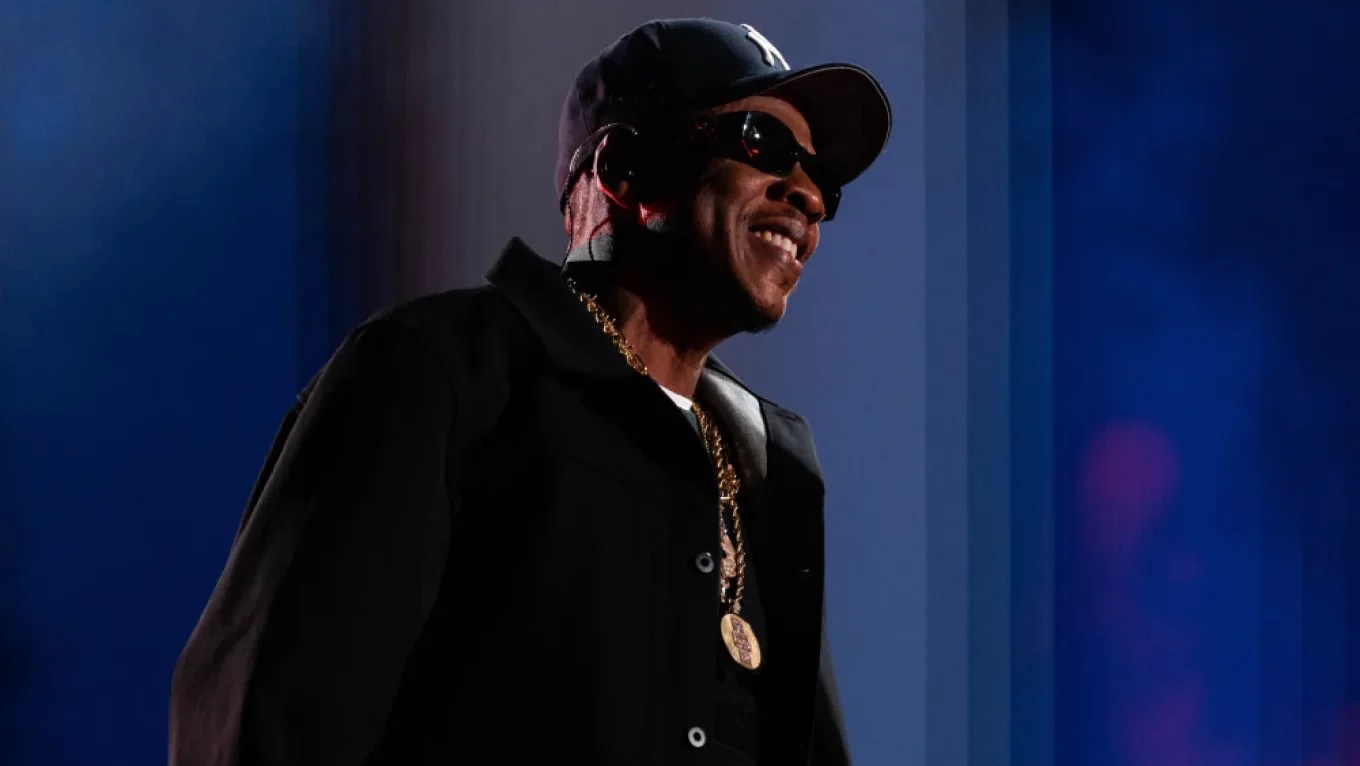
The clip below provides a glimpse into how JAŸ-Z turns a live performance into a full-scale production, with a mix of musicality and spectacle that has been his hallmark. His mastery in orchestrating a live experience is not just about putting on a good show; it's about creating an immersive atmosphere that captivates and resonates with the audience on multiple levels. From the carefully curated setlists that highlight his lyrical prowess to the intricate stage designs that amplify the emotional impact of his music, JAŸ-Z transforms each performance into a narrative journey. It's proof of his understanding of not only music but also theatrical storytelling, making every show a memorable experience.
Beyond the numbers, JAŸ-Z's journey to this moment is a masterclass in strategic positioning. From Brooklyn hustler to global icon, he's navigated the music industry on his terms, refusing to be boxed into predefined roles. This halftime performance isn't a mere headline slot; it's a narrative of Black excellence breaking through mainstream barriers, proving that talent coupled with strategic acumen can defy the odds. JAŸ-Z has consistently reinvented himself, using his platform to push boundaries and challenge the status quo. His ascent is not just about personal achievement but also about paving the way for future generations of Black artists to dream bigger and reach higher.
JAŸ-Z's rise mirrors the stories of other legends who transcended their initial realms. Think of Michael Jordan's leap from the court to the boardroom, or Oprah's transition from talk show host to media mogul. These figures set the standard high, challenging the structures meant to contain them and redefining what it means to be a Black powerhouse in predominantly white institutions. Like Jordan's dominance in sports and Oprah's influence in media, JAŸ-Z has crafted a legacy that extends beyond music, impacting business, politics, and culture. He stands as a symbol of what is possible when one leverages their talents and resources to break barriers and redefine success on their own terms.
But here’s the twist: JAŸ-Z isn't just performing; he's rewriting the script. This move isn't just about music; it's about agency, legacy, and rewriting the rules.
This move isn't just about music; it's about agency, legacy, and rewriting the rules.
For JAŸ-Z, this performance isn’t just another gig; it's a statement. He continues to challenge the notion of what a Black artist can achieve in white-dominated spaces, breaking through ceilings that were never meant to accommodate someone of his background. By taking the reins, he's not just headlining; he's asserting control over a narrative historically dictated by others. JAŸ-Z is rewriting the script, showing that success isn't just about personal accolades but also about influencing the broader cultural discourse. His presence on that stage is a reminder of the power of agency, and how essential it is for Black artists to tell their stories on their own terms.
On an industry level, JAŸ-Z's selection highlights the shifting dynamics within entertainment collaborations. It's reminiscent of Drake's historic record deal, another example of a Black artist leveraging his influence for greater industry control. The lines between artist and executive blur, creating new opportunities for agency and innovation in a scene that has often been resistant to change. JAŸ-Z's move is a blueprint for how Black artists can wield their power, not just within music but across the entire entertainment industry. It's about crafting spaces where their visions can thrive independently of the constraints traditionally imposed by predominantly white institutions.
For the Black community, JAŸ-Z's performance at the Super Bowl is more than entertainment. It's a powerful image of representation, showing young Black creatives that the sky isn't the limit; it's just the beginning. The culture thrives when its icons don't just participate but lead, setting examples for the next generation that success is achievable on their own terms. JAŸ-Z's presence on such a grand stage is a beacon of hope and a call to action, encouraging others to step into roles of leadership and influence. It's a reminder that the fight for representation and equity continues, but the possibilities are endless when we lead the charge.
Advertisement
Yet beneath the glitz, there's a deeper narrative of racial and economic power. Black artists have often been commodified without recognition or control, their talents exploited for the benefit of others. JAŸ-Z's halftime show serves as a cultural shift, a reminder that Black excellence isn't just participating in the game but owning it. His performance is a reclamation of power, a statement that Black artists deserve to be at the helm, shaping the narratives and reaping the rewards of their labor. It's about shifting the paradigm, ensuring that future generations of Black creatives have the autonomy and opportunities that were so often denied to their predecessors.
As we look forward to his performance, we should watch for more such moves from JAŸ-Z and others challenging the status quo. The stage is not just for a show but a platform to drive conversations about ownership, equity, and representation in the industry. This is more than a halftime show; it's a moment that could redefine possibilities, opening the door for more artists to push for change. JAŸ-Z's presence at the Super Bowl is a reminder of the power of influence and the potential to create lasting impact. It's about setting a new standard, one where the narratives are crafted by those who live them, ensuring a more equitable and inclusive future in the world of entertainment.