Jaylen Brown and Jayson Tatum Drama: What It Reveals About NBA Rivalries
By Simone Walker, PowerVault Staff Jaylen Brown and Jayson Tatum are embroiled in a drama that's shaking up the NBA scene, and fans are here for it. The simmering tensions between the two since Brown's trade to the Ph...
Advertisement

By Simone Walker, PowerVault Staff
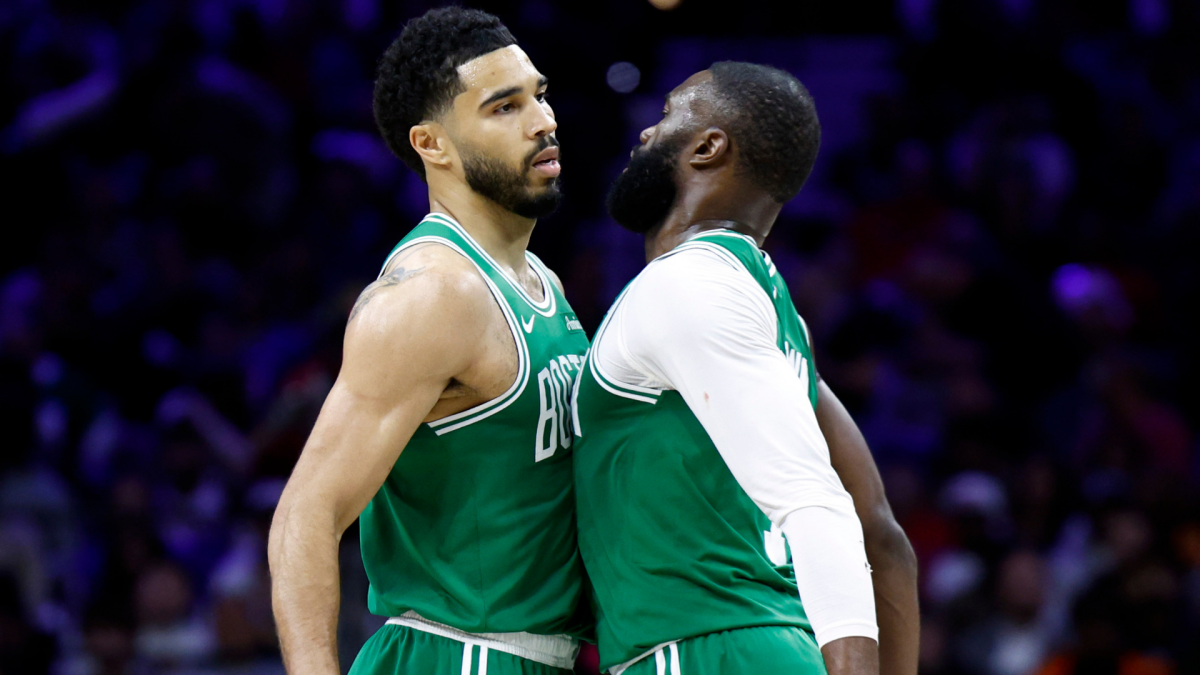
Jaylen Brown and Jayson Tatum are embroiled in a drama that's shaking up the NBA scene, and fans are here for it. The simmering tensions between the two since Brown's trade to the Philadelphia 76ers have escalated into a spectacle worthy of prime time. This isn't merely a tale of teammates turned adversaries; it's emblematic of how off-court theatrics can intensify on-court rivalries, especially in a league that thrives on spectacle and storylines. As the NBA transforms individual narratives into collective lore, the Brown-Tatum saga stands out as a vivid reminder of the league's dual role as a competitive sports arena and a stage for captivating human stories, especially those that highlight the unique challenges and triumphs of Black athletes.
The Celtics, desperately trying to downplay the tensions, haven't quite succeeded. According to reporting from The Boston Globe, efforts to quash the so-called beef have backfired spectacularly. Tatum's recent public remarks, intended to dismiss any conflict, only added fuel to the fire. He might have insisted, 'This ain't no f---in' Shaq and Kobe, there's no beef,' but the sheer force of his denial suggests there's more lurking beneath the surface. When you need to declare so vehemently that there’s nothing to see, it often means there’s plenty to scrutinize. The stage is unquestionably set for the November 10 showdown in Philly, where every dribble, pass, and shot will be scrutinized as fans eagerly watch these two former allies face off under the glare of the spotlight.
Brown, never one to shy away from the spotlight, responded with a quip that left fans guessing. 'It's no beef,' he began, seemingly ready to quash the rumors, only to add, 'But it might be a little lamb chop and some gravy. He should stay ready at all times.' The internet, always hungry for drama, ate it up, relishing the undercurrent of tension that promises to make this rivalry even juicier. Brown's words were a simmering stew of competitive spirit and thinly veiled discontent, suggesting that while the formal partnership has ended, the personal dynamic remains as spicy as ever. His response not only kept the narrative alive but also highlighted the depth of the personal and professional complexities that fuel this evolving story.
The complexity of the Brown-Tatum relationship is a microcosm of NBA dynamics. These aren't just athletes; they're young Black men handling an industry where narratives can be as profitable as performance. Brown's parting shot about Tatum's 'great PR team' shows a dynamic often overlooked: public perception is a vital currency in professional sports. This is more than a story about two teammates at odds; it's about how narratives are crafted and controlled. In a league where image often rivals skill in importance, athletes like Brown handle a scene where every word, every gesture, and every interaction is dissected and analyzed, reflecting broader themes of media influence and the pressures of maintaining a public persona amid a fiercely competitive environment.
The Celtics-Sixers rivalry isn't new, but this fresh chapter adds unique layers. Historically, rivalries have fueled the NBA's global appeal, from Magic vs. Bird to Shaq vs. Kobe. Brown and Tatum's story fits right in, but with contemporary complexities. Here, we see themes of friendship, ambition, and identity played out under the bright lights of the league. A social post capturing Tatum's denial echoes this attempt to sidestep the drama, yet it also highlights the human elements that make these rivalries compelling. Such narratives not only engage fans but also serve as a mirror reflecting the evolving dynamics of modern sports, where personal stories intertwine with professional legacies, making each game more than just a contest but a chapter in an ongoing saga.
Zoom out, and this is part of a broader pattern. Rivalries have always driven sports, but the NBA has a knack for crafting memorable narratives. Shaq and Kobe's infamous fallout, for example, didn't just impact the Lakers; it changed how we see player dynamics and the nature of team chemistry. Remember their tension in the early 2000s? It was about more than basketball, it was about legacy, leadership, and power. This current Celtics-Sixers saga is another chapter in that storied book, offering a modern twist on timeless themes. It reflects the intricate dance between competition and camaraderie, where personal ambitions occasionally clash with team goals, providing a rich mix of stories that keep fans engaged and invested in the human elements of the game.
Brown and Tatum's story isn't just theirs. It's about every athlete trying to find their place. The NBA thrives on stories, and when those stories involve young Black athletes handling complex dynamics, they echo beyond the court.
The NBA thrives on stories, and when those stories involve young Black athletes handling complex dynamics, they echo beyond the court.
For Brown, this rivalry is as much about basketball as it is about representation. His move to the Sixers is an assertion of his own identity beyond the shadow of Tatum. In a league where Black athletes often face heightened scrutiny, Brown's navigation of this transition speaks to broader themes of autonomy and self-definition. It's a narrative that resonates deeply for those who see themselves reflected in the league. By stepping out of a dynamic where he was often seen as second to Tatum, Brown is claiming his space and rewriting his story. This journey isn't just about his career; it's about challenging the status quo and redefining what it means to be a Black athlete in a system that often tries to dictate the terms of their success.
For the NBA and its fans, this rivalry is gold. It sells tickets, fills arenas, and keeps people talking. The league knows that personal clashes can elevate the game to new heights of excitement. When players like Brown and Tatum are entangled in a bit of drama, it reminds us that sports are also about stories we all relate to. These narratives provide a framework for understanding the human elements of competition, where personal histories and ambitions intersect with professional duties. The unfolding saga between Brown and Tatum highlights how individual journeys can captivate audiences, turning every game into a chapter in a larger story that extends beyond the court, engaging fans in a dialogue about identity, ambition, and the essence of rivalry in the modern NBA.
The fans, especially Black fans, are watching closely. They understand the layers within this drama because many have lived the experience of being part of a system that often pits Black people against one another. For them, this is more than about basketball; it's about larger social and cultural forces at play. The NBA, while separate from societal struggles, reflects them back to us in vivid colors. In the narratives of Brown and Tatum, fans see echoes of their own experiences, handling spaces where competition is fostered, sometimes at the cost of unity. This reflection is powerful, creating a shared understanding of the challenges faced by Black athletes and offering a lens through which to view broader issues of race, power, and identity in contemporary sports.
Advertisement
Underneath this rivalry are dynamics of race, class, and power. The NBA is a predominantly Black league, yet it's part of a system controlled predominantly by white ownership and management. Players like Brown and Tatum aren't just athletes; they're individuals handling a world where their every move is scrutinized. This context is vital to understanding why their story resonates so broadly and deeply. It's a narrative of handling spaces where their contributions are celebrated, yet their autonomy is often challenged, reflecting broader societal dynamics. The tension between personal agency and systemic constraints mirrors the lived experiences of many, making the Brown-Tatum saga not just a sports story, but a commentary on the complex interplay of identity, power, and representation in the modern world.
What's next? The NBA calendar has already marked November 10 as must-see TV. Beyond the spectacle, though, this story prompts fans to consider what these rivalries mean in the grand scheme. As Brown and Tatum continue their journeys, they challenge us to think about the pressures Black athletes face in the sports machine. Their rivalry isn't just a game; it's a reflection of the cultural and systemic forces in play. The next chapter of this saga might just redefine how we view competition, identity, and narrative in the NBA. As these young men handle their paths, they invite us to question the narratives imposed upon them and consider the broader implications of their stories in a league that serves as a microcosm of larger societal dynamics.