Jessica Shepard's Dominance, Olivia Miles' Milestone, and Cheryl Reeve's Leadership Define WNBA's Midseason
By Marcus Ellison, PowerVault Staff The atmosphere was electric in the arena, the kind of buzz that makes the hairs on your arms stand up. Fans clad in jerseys, faces painted, their voices rising with every dribble an...
Advertisement

By Marcus Ellison, PowerVault Staff
The atmosphere was electric in the arena, the kind of buzz that makes the hairs on your arms stand up. Fans clad in jerseys, faces painted, their voices rising with every dribble and shot, embodied the spirit of a league in the midst of a history-making season. Each game feels more significant than the last, and as the WNBA nears its midpoint, it’s clear that this particular week was one for the books. Jessica Shepard's performance was nothing short of spectacular, Olivia Miles etched her name into the record books, and Cheryl Reeve stood as a beacon of leadership amidst the storm. But beyond the statistics and the highlights, there are layers to this story that reflect the broader narrative of Black athletes navigating a predominantly white sports landscape.
This season has already been packed with drama and excitement, yet the energy of this week felt different. Jessica Shepard was turning heads for all the right reasons. Her skill on the court has blossomed, and her numbers are speaking volumes. But let’s dig deeper. Shepard’s rise is not just about athleticism; it’s a reflection of the systemic challenges Black players face in a league that is still grappling with the ramifications of its historical neglect of talent outside the mainstream. When a player like Shepard excels, it shatters the preconceived notions of what Black women can achieve in a sport that too often tries to box them in.
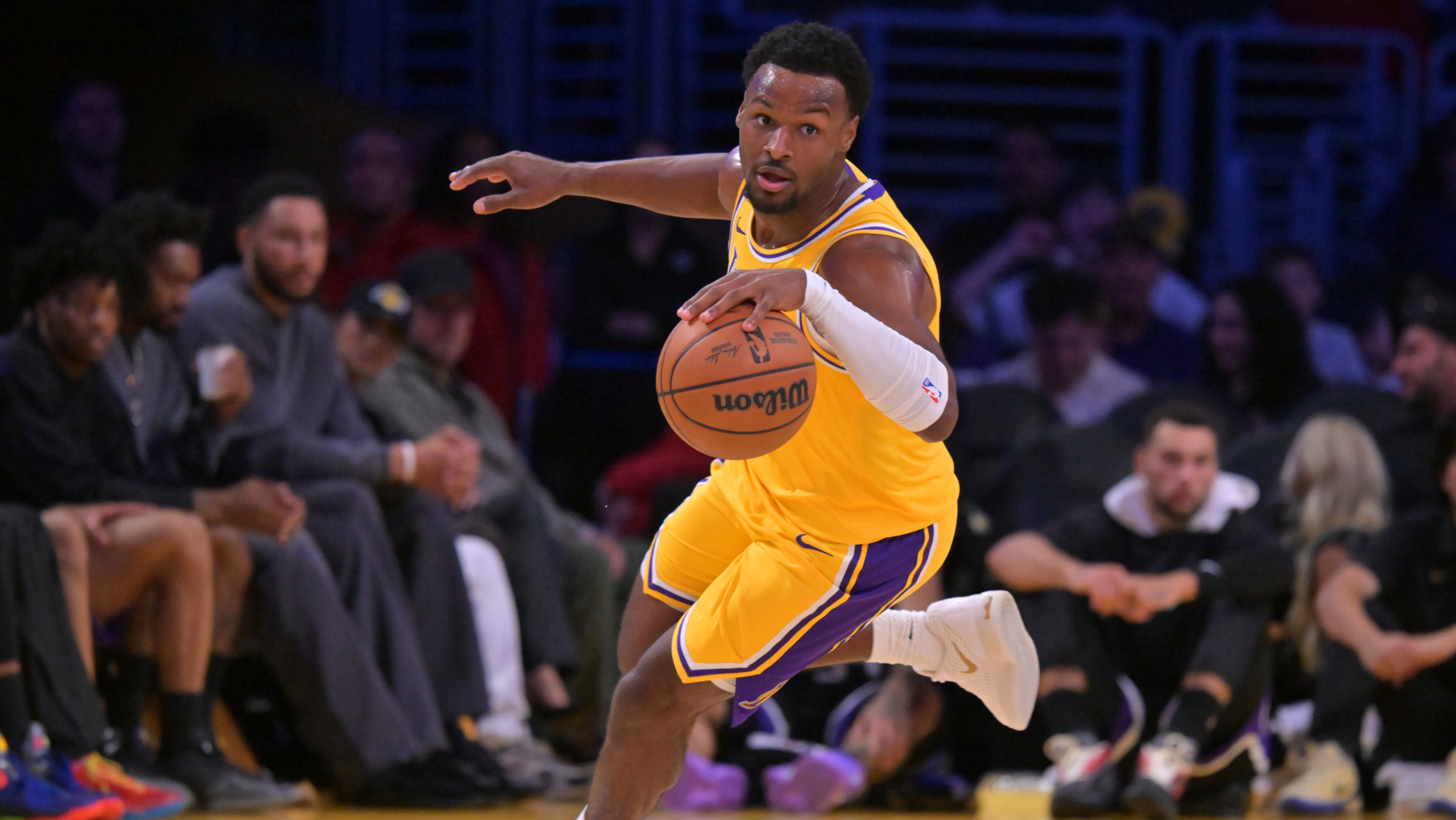
On the flip side, Olivia Miles made history, becoming the first player to accomplish a noteworthy feat that will resonate beyond just the current season. In a league where standout moments can often be overshadowed by the dominance of a few star players, Miles’ achievement stands as a testament to the power of perseverance in the face of adversity. It speaks to a generation of young Black female athletes who are looking up to these women and dreaming big. They see Miles, they see Shepard, and they understand that the barriers are not as insurmountable as they once seemed. Yet one can't help but question why these stories are often muted in the grand narrative of sports. The Black female athlete's voice, often drowned out, deserves to be amplified in a culture that has sidelined their contributions for far too long.
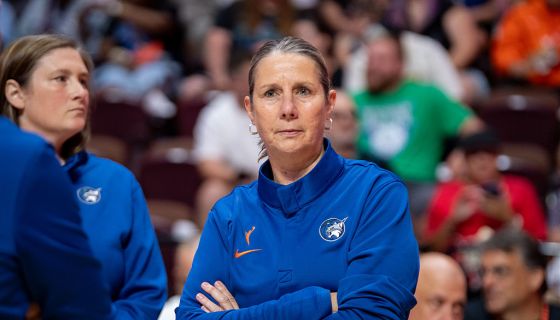
As for Cheryl Reeve, her leadership has been a breath of fresh air. In a league that has faced its fair share of controversies, having a head coach who not only excels strategically but also cultivates a positive locker room culture is key. Reeve's approach is a lesson in visibility and responsibility; she understands the implications of her role in a sport that holds such significant cultural weight. The pressure is immense, with every decision scrutinized under the lens of race, gender, and the economics of the sport. For Black women in leadership positions, the stakes are higher, and the expectations often unrealistically inflated. Yet Reeve stands firm, balancing the demands of the game while advocating for her players, especially in a week where the conversation around player well-being has been heightened.
When examining these narratives, it’s crucial to connect them to the wider social dynamics at play within the WNBA and the sports world at large. The challenges Black athletes face do not exist in a vacuum. There are systemic issues that have persisted for decades, from the way contracts are structured to the limited opportunities for coaching roles. The question then arises: what does it mean for Black athletes to succeed in a league that has often marginalized their narratives? The stakes are not just personal; they reflect a broader fight for equity and representation in professional sports.
The WNBA has made strides in recent years, yet it remains a battleground for social justice. As Black athletes, players like Shepard, Miles, and Reeve are given platforms to express their identities and experiences. Their successes are celebrated, but those celebrations also come with the weight of their collective histories. Each jump shot, every play called, becomes a statement against the backdrop of a predominantly white sports machine that has tried to erase their contributions. When they thrive, they are not just carving out a space for themselves; they are paving the way for future generations of Black athletes to redefine what success looks like.
This week in the WNBA is emblematic of a larger cultural moment. The league is becoming a reflection of the society in which it exists,one that is grappling with its own biases and limitations. The visibility of Black women in sports is more than just a narrative of triumph; it’s an ongoing struggle for recognition. As fans cheer for their teams, they must also recognize that these athletes are not just playing games; they are challenging norms and dismantling barriers.
Advertisement
Looking ahead, the question remains,what comes next for these athletes and the league? Will the progress made in terms of visibility and opportunity continue, or will it stall as it has in the past? The WNBA is at a crossroads, and the decisions made by its leadership in the coming months will be critical. It’s an opportunity to elevate the voices of Black women, not just as players but as change-makers. As the second half of the season approaches, all eyes will be on the WNBA. Fans should remain engaged, advocating for the players who represent more than just their teams but the hopes and dreams of an entire community.
This week was more than just another chapter in the WNBA's storied history; it was a reminder of the ongoing fight for equity in sports. As Jessica Shepard, Olivia Miles, and Cheryl Reeve continue to make their mark, their journeys are shaping the future. The question is not just how they will navigate the rest of the season, but how their legacies will influence the next generation of Black athletes. For those who care about the culture, the answer is clear: it’s time to pay attention and hold the league accountable for the stories it chooses to uplift.