Yella Beezy's Trial: The Streets Demand Real Answers
By DeShawn Price, PowerVault Staff The ongoing murder trial of Markies Conway, better known as rapper Yella Beezy, has captured national attention as it gets into the chilling allegation of a murder-for-hire plot that...
Advertisement

By DeShawn Price, PowerVault Staff
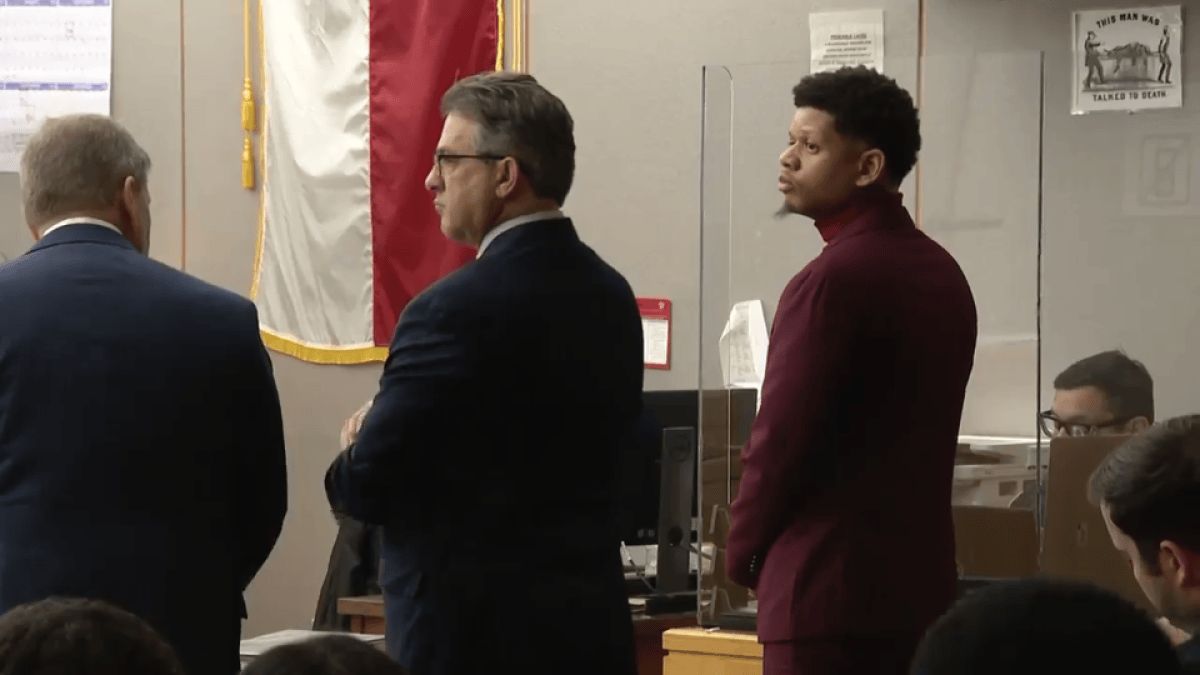
The ongoing murder trial of Markies Conway, better known as rapper Yella Beezy, has captured national attention as it gets into the chilling allegation of a murder-for-hire plot that led to the death of fellow Dallas rapper MO3, real name Melvin Noble. As day eight unfolds, the courtroom drama becomes a focal point for discussions on rivalry, justice, and the complexities of street politics. This case is not just about a single act of violence; it embodies the layered tensions within the music industry and the broader societal issues that accompany fame and competition. For many, it reflects the dangerous blend of personal vendettas and professional rivalries that can escalate to tragic ends, especially when they are set against the backdrop of an industry that often glorifies such conflicts.
In the Dallas County courtroom, prosecutors have meticulously constructed their case on the theory that Yella Beezy orchestrated the 2020 freeway shooting that ended Noble's life. The prosecution alleges that a bitter feud, stretching back to 2017, drove Conway to hire Kewon White for the hit. White, already convicted of capital murder, is serving a life sentence for his role, underscoring the gravity of the charges Conway now faces. The stakes are undeniably high, with each day of testimony adding layers to a narrative that pits the prosecution's detailed assertions against the defense's firm denial of Conway's involvement. As the defense insists on Conway's innocence, the courtroom remains charged with tension, every argument scrutinized for its potential to sway the jury's perception.
The prosecution's narrative paints a vivid picture of escalating tensions between the two rappers, culminating in a fatal confrontation on a bustling Dallas freeway. Witnesses have recounted harrowing scenes of chaos, as gunfire erupted and Noble's life was violently cut short. This tragic episode, now dissected in detail, has been widely circulated online, sparking intense public interest and debate. The raw footage and witness testimonies serve as stark reminders of how quickly disputes can turn deadly. The freeway, typically a symbol of movement and progress, became the setting for a violent end, illustrating the volatile nature of the feud that had simmered for years. Each witness account adds depth to the chilling reality of the event, painting a picture of a life abruptly and brutally halted.
The courtroom drama intensifies with each passing witness testimony, as legal teams engage in a fierce battle over evidence and narratives. The defense has strategically pointed to inconsistencies in the prosecution's case, questioning the reliability of witness accounts and highlighting potential gaps in the evidence presented. They seek to dismantle the prosecution's narrative, piece by piece, aiming to cast reasonable doubt in the minds of the jurors. Yet, despite these efforts, the shadow of a feud that ignited years ago looms large over the proceedings. This conflict, long simmering beneath the surface, now stands at the heart of the trial, its implications reaching far beyond the immediate legal battle and into the broader cultural context of rivalry and retribution.
Connecting the dots between Conway and White, prosecutors emphasize the premeditated nature of the crime, arguing that jealousy and rivalry over music industry success were central motives. This assertion, if proven, could significantly reshape the narrative around both rappers' careers and their places within the community. The prosecution contends that professional envy and personal grievances intertwined, leading to a calculated decision to eliminate a rival. Footage of the trial has ignited passionate discussions online, drawing viewers into a complex web of accusations and defenses. The case has become a public spectacle, with each new revelation sparking debate about the ethics of rivalry and the lengths to which individuals might go to secure their place in the industry.
The case of Yella Beezy echoes past instances where music industry rivalries spiraled into real-world violence, reminiscent of the tragic losses of Tupac Shakur in 1996 and The Notorious B.I.G. In 1997. These events remind us of the dangerous intersections between artistic expression, personal enmity, and societal pressures. In each of these cases, the blend of public persona and private vendetta created a combustible environment, leading to devastating outcomes. Each time history repeats, it begs the question: what lessons have truly been learned? The cycle of violence and retribution seems unbroken, as the industry and society at large continue to grapple with the consequences of glorifying conflict without addressing the underlying issues that fuel such tragic outcomes.
Justice in cases like these transcends courtroom verdicts, demanding broader societal introspection.
The dynamics of power, rivalry, and survival are too raw and real to ignore.
For Yella Beezy, this trial is not just a battle for his freedom but a critical moment that challenges his identity and legacy. The outcome could either cement his downfall or offer redemption, profoundly shaping how his story is told within the culture. As he faces the possibility of a lifetime behind bars, each argument made in court carries the weight of his future. Meanwhile, the music industry watches closely, acutely aware of how public perception can sway with each detail that emerges in the courtroom. The stakes extend beyond Conway himself, touching on the narratives that define careers and the broader cultural conversations about responsibility, rivalry, and redemption in a highly competitive and often unforgiving industry.
The music industry itself stands under intense scrutiny as these proceedings unfold, revealing the often unspoken realities that underpin its glittering facade. Rivalry, competition, and violence are inherent to its dynamics, yet the industry often glosses over the darker aspects in favor of marketable narratives. This trial forces an examination of the roles artists and executives play in inflating disputes that sometimes turn deadly. The pressure to succeed can drive individuals to extremes, decisions sometimes encouraged by an industry that thrives on controversy. The responsibility to foster a safer environment lies with everyone involved, from musicians to industry leaders, as they handle the delicate balance between artistic freedom and ethical responsibility.
For the community, the trial is a stark reminder of the fragility of life and the pervasive impact of violence. As details unfold, many grapple with the systemic issues that allow such tragedies to occur, questioning the societal structures that perpetuate cycles of violence and inequality. The trial challenges us to confront the uncomfortable truths about how fame, success, and survival intersect in our neighborhoods, where opportunities are often limited and the stakes are life-and-death. The dynamics of power, rivalry, and survival are too raw and real to ignore, calling for a deeper reflection on the societal changes needed to prevent future tragedies and support communities in healing and growth.
Beneath it all, racial dynamics and economic pressures create an understated yet fierce backdrop to this trial. In a society where Black artists often find themselves entangled in legal systems skewed against them, this case highlights the intersection of race, class, and justice. The culture must reckon with how these elements influence perceptions and outcomes, from media portrayal to courtroom bias. The systemic inequalities faced by Black artists in the justice system are compounded by the economic pressures within the industry, creating a complex web of challenges that demand urgent attention. This trial is a reminder of the broader societal issues at play and the need for a more equitable and just framework.
Advertisement
As the trial progresses, eyes remain glued to the courtroom, anticipating a verdict that could reverberate across the music industry and beyond. The conclusion will not only impact those directly involved but will also serve as a litmus test for how society addresses the deeper issues of violence and rivalry. The implications of the jury's decision will be felt long after the gavel falls, challenging us to view this case as a call to action. It urges us to consider how we can create a more just and equitable society, where conflicts are resolved without resorting to violence and where the industry fosters a culture of respect and accountability.
More from PowerVault Network: