
Kai Cenat Raps Drake’s Nonstop on GTA VI Radio Stream
By Malik Carter, PowerVault Staff Kai Cenat reportedly rapped Drake’s “Nonstop” during a GTA VI stream, but the supplied account leaves the broadcast and soundtrack details unverified. According to the source report s...
Advertisement

By Malik Carter, PowerVault Staff
Kai Cenat reportedly rapped Drake’s “Nonstop” during a GTA VI stream, but the supplied account leaves the broadcast and soundtrack details unverified.
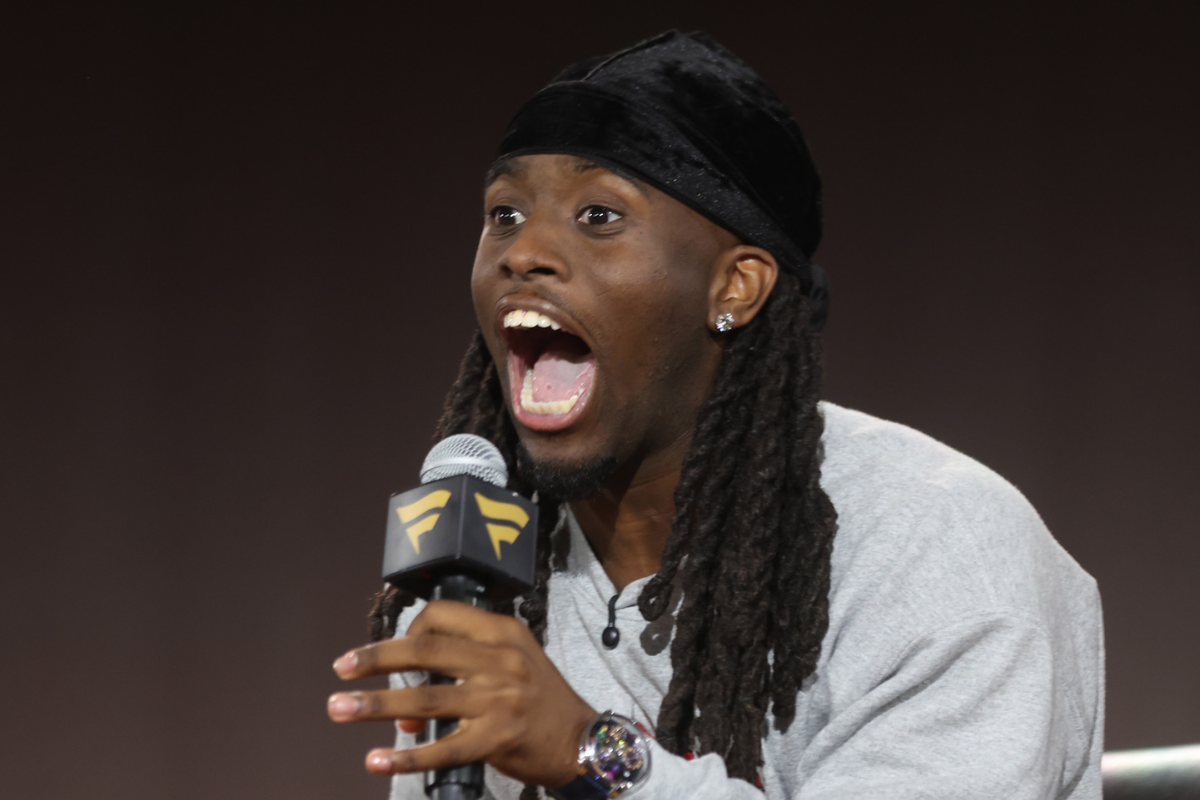
According to the source report supplied to PVN, Cenat joined in when the song played on the game’s radio. The account describes a clip capturing his reaction. However, no original broadcast link, timestamp or accessible clip accompanied the material provided for this article.
That distinction matters before anybody turns a familiar chorus into a major industry announcement. The account supports reporting what was described, with attribution. It does not establish an independently checked soundtrack placement, a Drake partnership or a paid promotion involving Cenat. Those are different stories, and each needs its own receipts.
The documented background in the supplied report is more concrete. Drake released “Nonstop” on his 2018 album, Scorpion, and the recording credits identify Tay Keith as its producer. This was an existing record long before the reported stream. Nothing supplied establishes that Drake created or changed the song for the game.
The source also cites the Billboard Music Awards for Scorpion’s chart performance: all 25 tracks reached the Hot 100, with seven occupying the Top 10 simultaneously. Those numbers concern the album’s original impact. They cannot tell readers whether the reported gaming appearance generated new listeners, fresh sales or another commercial bump.
Cenat reportedly promoted the playthrough with a live action trailer. That detail suggests preparation around the broadcast, but preparation is not proof of sponsorship. A creator can package a stream as an event without every song heard during it becoming a separate brand relationship. The supplied material discloses no such agreement.
So, yes, there is room to enjoy the reported moment. A recognizable Drake record and a streamer rapping along make an easy entertainment story. The editorial problem starts when a small observation gets dressed in business claims that nobody has documented. A catchy song does not do the fact checking for anyone.
Black creativity deserves credit at every level, not only when a famous face makes the clip travel.
For Cenat, the interesting distinction is between participation and endorsement. Rapping along, if the clip is authenticated, would show that he joined the song in that moment. It would not establish his position on every argument surrounding Drake. Fans deserve better than having a few bars converted into a loyalty pledge.
For Drake, the useful angle is catalog life, not an unsupported comeback declaration. A song can find another setting without becoming a new release. PVN’s view is that recognizing an older record’s staying power makes more sense than pretending every fresh appearance resets an artist’s career. Familiarity has value without a victory speech.
Tay Keith’s credit belongs in that conversation, too. Black creativity deserves credit at every level, not only when a famous face makes the clip travel. Coverage that names the rapper and the streamer but loses the producer gives readers an incomplete picture of the work. The beat did not arrive by itself.
The audience has a role beyond choosing sides. Enjoying a song does not require inventing a chart surge, and questioning a reported placement does not require dismissing the music. Black fans should have room for pleasure and scrutiny together. The group chat can celebrate the record without becoming somebody’s unpaid publicity department.
There is also an industry question worth keeping separate from the excitement: who controls how music appears in a digital experience? The supplied account provides no licensing terms, payment figures or artist approvals. Without those details, claims about who benefited financially would be guesswork. Visibility and compensation should never be treated as interchangeable.
That distinction also connects to the ownership questions behind PVN’s coverage of Suno AI videos and artist filters. The technologies are different, but the editorial standard should hold: audiences need to know what is authorized, what is documented and what remains unknown. Recognition alone cannot answer those questions.
A confirmed soundtrack appearance would still deserve precise language. Hearing a recording during one authenticated broadcast would establish that occurrence. Calling it part of an official game soundtrack would require evidence tied to the game itself. Naming a commercial partnership would require more. Each additional claim needs support, not extra confidence in the caption.
Advertisement
The next step is straightforward: locate the original broadcast, establish when it happened and check the reported music against official game materials. Until then, the responsible angle is the reported reaction, not an invented deal or a declaration about Drake’s standing. Let the song have its moment, but make the headline earn its certainty.
More from PowerVault Network:
