Yella Beezy's Murder Trial: Unpacking the Allegations and Implications
By Marcus Ellison, PowerVault Staff Dallas rapper Yella Beezy, whose real name is Markies Conway, is on the brink of facing a jury in a high-stakes capital murder trial. Accused of orchestrating the 2020 murder of fel...
Advertisement

By Marcus Ellison, PowerVault Staff
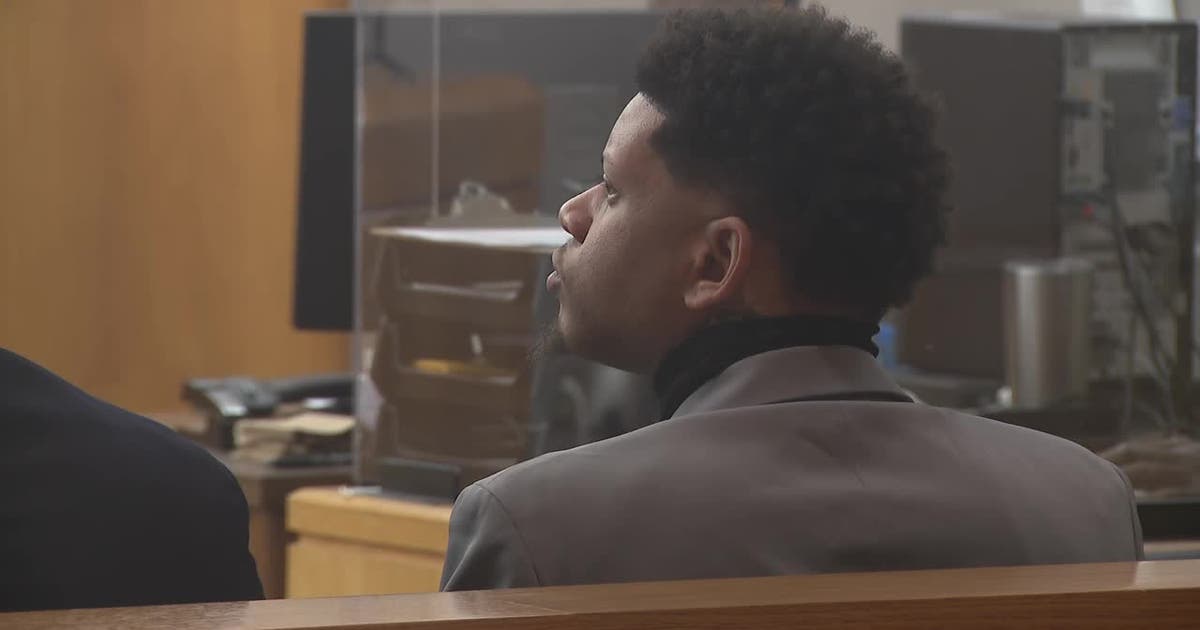
Dallas rapper Yella Beezy, whose real name is Markies Conway, is on the brink of facing a jury in a high-stakes capital murder trial. Accused of orchestrating the 2020 murder of fellow Dallas rapper MO3, also known as Melvin Noble, this trial represents more than just a pursuit of justice, it is a deep exploration into the intricate web of music, rivalries, and alleged criminal activities. As the court proceedings commence, the spotlight is on Dallas, a city grappling with the persistent violence within its hip hop community. This trial is poised to reveal not only the personal animosities but also the systemic issues that can lead to such tragic ends.
The trial, initially scheduled to commence a month ago, faced a delay after a continuance motion was granted by the court. Conway's defense attorneys requested additional time to meticulously review the transcripts from the trial of his co-defendant, Kewon White, who was recently convicted of capital murder and sentenced to life imprisonment. This move shows the defense's strategy to scrutinize the testimonies from White's trial, which are expected to resurface. With jury selection now anticipated to begin on Monday, the courtroom is set to become the focal point for unraveling a murder-for-hire scheme that prosecutors allege was fueled by a longstanding rivalry between MO3 and Yella Beezy. According to FOX 4, live cameras will document the courtroom proceedings once the jury is seated, ensuring transparency and public access to this critical trial.
Yella Beezy, a prominent figure in the Dallas music scene known for both his success and controversies, maintains his innocence in this high-profile case. He has steadfastly pleaded not guilty, denying any involvement in the tragic ambush on Interstate 35 that resulted in Noble's death in 2020. Prosecutors, however, present a different narrative, arguing that Beezy orchestrated the murder by hiring White to carry out the deadly act. This allegation highlights the perilous undercurrents of the music industry's rivalries, shedding light on the darker aspects that often remain hidden. The claim has rattled the local hip hop community, challenging the very fabric of trust and camaraderie within the scene. A detailed breakdown of the charges can be found in the video below, offering insight into the complexities of the case.
The development of this trial unfolds against a backdrop of an industry frequently marred by untimely deaths and tragedies. In recent memory, the loss of young talents whose promising careers were abruptly ended has become all too familiar, echoing the violence that sometimes intertwines with fame. The narrative surrounding MO3 and Yella Beezy serves as a somber reminder of this perilous intersection where personal feuds can escalate into fatal confrontations. As the trial progresses, attention will also be drawn to another defendant, Devin Brown, who faces similar charges, adding layers to the alleged conspiracy that culminated in the tragic demise of MO3. This trial is not only a legal battle but also a reflection of the broader cultural issues that need addressing.
As the trial progresses, the defense's strategy is anticipated to revolve around discrediting the testimonies of witnesses who previously testified in White's trial. This approach highlights the immense stakes involved, not just for Beezy but for the entire Dallas rap scene, which stands under intense scrutiny. The courtroom drama is certain to captivate audiences who have long speculated about the circumstances surrounding MO3's murder. The defense's focus on witness credibility shows the complexity of the case, as they aim to challenge the prosecution's narrative and cast doubt on the reliability of key testimonies. This trial, therefore, serves as a crucial moment for the defense to present their case, while the public remains eager to understand the intricate details and motivations behind the alleged plot.
This isn't the first instance where a rapper's murder has illuminated systemic issues within the justice system. The parallels with other high-profile cases, such as Willie Herndon's freeway shooting or the legal challenges faced by stars like Tory Lanez, show a recurring theme: the formidable challenge of securing fair trials in the midst of media sensationalism and intense public scrutiny. These cases highlight the broader societal issues that often complicate the pursuit of justice for Black artists. The outcome of Yella Beezy's trial carries significant implications, potentially setting a precedent for how future cases involving Black artists are perceived, prosecuted, and adjudicated. It raises critical questions about the justice system's ability to remain impartial in the face of widespread public attention and media influence.
Justice is a complex and layered pursuit that often defies simple resolution.
The fate of Black artists often hinges more on the court of public opinion than the legal system itself.
In the court of public opinion, Yella Beezy's image has already endured significant damage, regardless of the legal outcome. The media spectacle surrounding the case exemplifies the layered challenges Black artists face, as they often find themselves battling on multiple fronts. This trial transcends the binary notions of guilt or innocence; it is equally about the narratives constructed by media outlets, which frequently cast Black artists into inescapable stereotypes. Public perception, shaped by media portrayals, can often overshadow the actual verdict, influencing how Beezy is viewed both within the hip hop community and beyond. The media's role in shaping these narratives raises important questions about fairness and the lasting impact on the careers and lives of those involved.
The hip hop industry, often characterized by its intense lyrical feuds, finds itself under a microscope with the unfolding of this case. The trial raises pressing questions about the systemic issues that allow violence to permeate music communities. It prompts a critical examination of whether the industry is doing enough to protect its artists or if they are left vulnerable amidst high-stakes rivalries. The implications of this trial extend beyond the courtroom, challenging record labels and promoters to reconsider their responsibilities in ensuring the safety and well-being of their talent. The industry must grapple with its role in fostering an environment where artistic expression does not escalate into real-life violence, prompting crucial discussions on how to safeguard the future of hip hop.
For the Dallas community and the broader hip hop audience, this trial serves as a moment of introspection and reflection. It challenges us to look beyond sensational headlines and recognize the human stories often obscured by media dramatization. The case of MO3 and Yella Beezy prompts us to question how a promising career and a life full of potential could end in such tragedy. It compels us to examine the environment we create for young Black artists striving to make a name for themselves, and the societal factors that may contribute to their downfall. This trial is a call to action, urging communities to address the underlying issues that lead to such heartbreaking outcomes.
Advertisement
At its core, this trial exposes the intricate racial and class dynamics that manifest within both the music industry and the justice system. Black men frequently find themselves ensnared in narratives that are swiftly reduced to stereotypes, with their fates often perceived as predetermined long before any jury deliberates. The systemic biases inherent in such cases echo the challenges highlighted in recent controversies, such as Killer Mike's navigation of public expectation and personal conviction. These dynamics show the broader societal issues that continue to impact the pursuit of justice and equity, raising critical questions about how these systems can evolve to better serve marginalized communities. This trial serves as a poignant reminder of the ongoing struggle for fairness and the need for systemic change.
As Yella Beezy's trial proceeds, the outcome remains uncertain. Will justice prevail, or will this be another case where truth is overshadowed by spectacle? The journey toward justice is fraught with twists and turns, as seen in past high-profile cases. For now, all eyes are on Dallas, as the trial promises to leave a lasting impact on the community and the hip hop industry at large. As we watch, we must ask ourselves how we can support and protect the next generation of artists, ensuring their stories don't end in violence. The decision will soon be in the hands of a jury, but the conversation about justice and equity must continue long after the verdict is delivered.