Katt Williams on Last Friday: What Changed His Mind?
By DeShawn Price, PowerVault Staff Katt Williams threatened to skip Last Friday if Faizon Love joins the cast, then offered a condition that changed his position. During Ice Cube and Mike Epps’ Listen & Laugh podcast,...
Advertisement

By DeShawn Price, PowerVault Staff
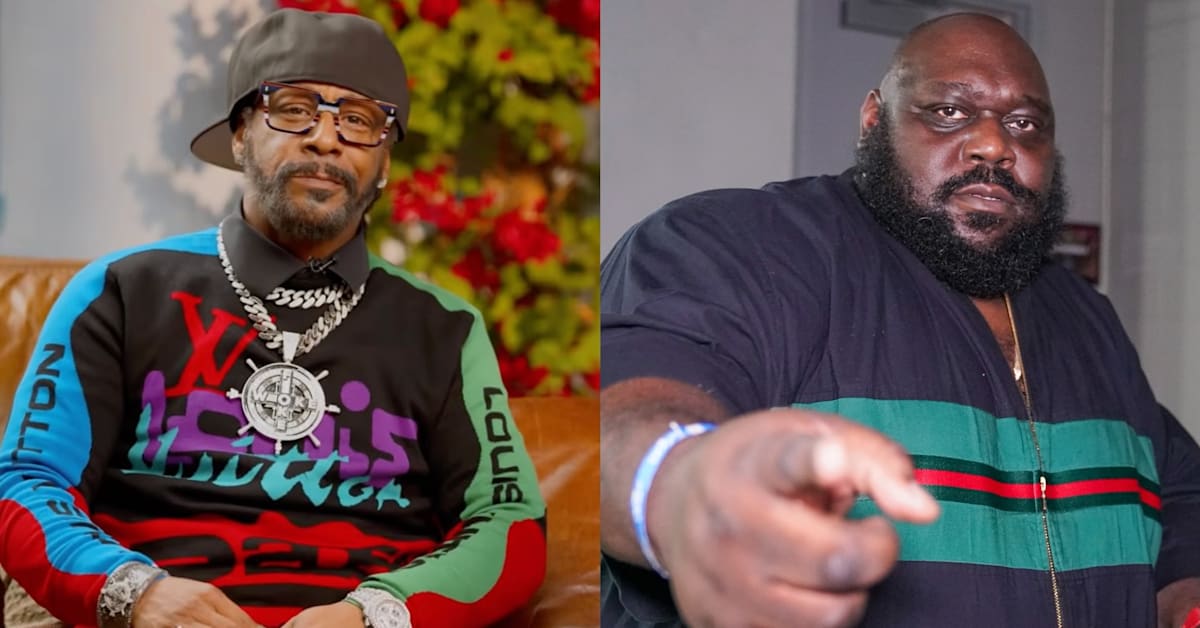
Katt Williams threatened to skip Last Friday if Faizon Love joins the cast, then offered a condition that changed his position. During Ice Cube and Mike Epps’ Listen & Laugh podcast, Williams said Love’s involvement would keep him away. Later, he said K.D. Aubert’s return could bring him back, even with Love aboard. So before anybody starts writing Money Mike’s farewell, hold that thought. This was a refusal with an exception, delivered while Cube was openly welcoming Love back into the franchise. The full exchange matters more than the sharpest clip, especially when a beloved Black comedy franchise becomes the setting for somebody’s personal scorekeeping.
The comments came during the podcast’s second episode, released Friday, November 13, with Williams joining Cube and Epps as their guest. The Listen & Laugh episode is the primary source for the remarks, not a casting announcement from a studio. That distinction deserves space. Williams played Money Mike in Friday After Next, while Love played Big Worm in the original Friday. Both characters have lasting recognition, but recognition does not equal a signed deal. Familiar faces talking shop can sound official, especially with Cube sitting right there. Nothing in the supplied reporting establishes either actor’s contract status. What it establishes is Williams making a public demand, then loosening it before the conversation ended.
The road to that demand started with the hosts revisiting stories about Williams, including a rumor involving Tyler Perry and a broomstick. Williams denied chasing Perry, pointing to the filmmaker’s height. Perry is six feet six, Williams noted, rejecting that particular piece of comedy lore. When Epps mentioned a rake, Williams redirected the conversation toward Love. Epps suggested the two comedians were cool, and Williams quickly rejected that idea. He briefly claimed he did not want to revisit the past, then moved straight into criticism of Love’s present circumstances. That turn matters because the film ultimatum grew out of a personal attack, not a discussion of production plans. The podcast conversation appears in the video below.
That exchange leads into the part requiring the most care: Williams’ account of Love’s alleged child support debt. Williams claimed Love owed $250,000 and described supposed court testimony about his finances and living arrangement. He also put the support payments at $2,500, making specific financial claims that require more than a podcast retelling to verify. Those details are Williams’ allegations in the supplied account, not findings independently verified here through court records. His claim about never making payments also should not become this article’s statement of fact. Williams said he laughed at the testimony, adding, “I absolutely love when terrible things happen to terrible people.” The quote establishes his hostility. It does not establish the accuracy of every financial detail he repeated, however confidently he delivered it.
Cube made his own position plain, telling the camera he had love for Love and a role for him in Last Friday. Williams responded, “Hey, by the way, if [Faizon is] in it, I'm not.” That sounds final until the later exchange. Asked about returning with K.D. Aubert, Williams said, “If KD's in, I'll [do it].” He then added, “I don't care if you … you can go ahead and get Faizon.” Apparently, that casting boundary had room for a very specific exception. The reversal belongs beside the threat, not buried beneath it. No one should mistake either remark for a completed casting agreement. The accompanying video provides another chance to hear the discussion beyond its headline.
Beyond the video exchange, the franchise’s history explains why a few casting comments carry weight. Friday arrived in 1995 with Cube and Chris Tucker at its center, making neighborhood life the foundation of a lasting comedy favorite. Next Friday followed in 2000, bringing Epps’ Day Day into the series. Friday After Next arrived in 2002, adding Williams’ Money Mike and Aubert’s Donna. Different performers helped each installment find its rhythm. For Black audiences, the affection includes the ensemble, the neighborhood personalities, and the pleasure of seeing those comic talents play off one another. That history also supports PVN’s interest in Taraji P. Henson’s backstage video with Chris Tucker: these careers remain part of a shared entertainment memory. A new Friday inherits affection built across decades, not merely demand for another sequel.
The real test is whether that shared affection can survive being used as leverage.
A child support dispute should never turn the child into the punchline.
Williams can decide which jobs he wants, and nobody needs to pretend every comedy veteran shares a friendship. Professional chemistry does not require private affection. Still, there is a difference between setting a workplace boundary and publicly ridiculing another performer’s family circumstances. His Aubert exception makes the supposed hard line look flexible. It also gives viewers a reason to question how seriously to take the initial ultimatum. Perhaps he was joking, bargaining, or doing both; the supplied exchange cannot settle his private intent. What it does show is that his refusal was not absolute. Williams deserves credit for creating an unforgettable character. That achievement does not make every personal insult insightful, and fans can appreciate Money Mike without treating cruelty as proof that the comedian is right.
The industry lesson sits in the distance between podcast entertainment and actual production authority. A host can welcome an actor, and a guest can issue conditions. Neither moment tells viewers what a studio has approved, what a contract requires, or which scenes anyone would share. A public invitation is not a deal memo, even when the person extending it helped build the franchise. Public pressure can complicate those conversations without resolving them. Cube’s response offered a better model than choosing a side for applause. He kept his relationship with Love separate from Williams’ anger. Casting should serve the movie, not reward whoever delivers the most replayable insult. Last Friday needs a script and workable agreements more than it needs a public loyalty contest between people audiences already enjoy.
The audience has a responsibility here, too, particularly when family obligations become entertainment. A child support dispute should never turn the child into the punchline. If money is owed, accountability should center the child’s needs and verified facts. Jokes about appearance, parentage, or a parent’s alleged poverty do nothing to answer whether support arrived. They simply recruit strangers into somebody else’s humiliation. The child did not sign up for a comedy feud, and their dignity should not depend on which performer lands the joke. Readers following PVN’s coverage of Offset discussing gambling and his Cardi B split know celebrity money stories can overlap with family pain. Curiosity is understandable. Treating every painful detail as permission to laugh is a choice, and the group chat can choose better without becoming humorless.
Money also changes how these jokes land inside Black entertainment. Williams’ attack tied alleged financial trouble to insults about Love’s Blackness, body size, and suitability as a parent. That combination deserves scrutiny, even coming from another Black comedian. Being funny does not put the assumptions underneath a punchline beyond criticism, especially when Blackness itself becomes part of the insult. Debt does not establish a person’s worth, just as celebrity does not guarantee financial security. An unpaid support obligation, if verified, deserves serious attention without turning class shame into the entertainment. Black audiences should not have to accept contempt for Black bodies as the admission price for comedy. The standard can hold room for sharp jokes and still reject the idea that another person’s hardship automatically proves they deserved it.
Advertisement
The next meaningful development will be confirmed casting, not another isolated line presented as a final decision. Watch for an official announcement about Williams, Love, Aubert, and the production itself. Until then, the record contains both Williams’ threat and his stated willingness to return under different circumstances. Cube has an opportunity to protect the franchise’s warmth without pretending the disagreement never happened. Fans can demand a funny movie while declining an invitation to choose sides in a personal feud. Big Worm and Money Mike earned their place in Black comedy memory. The next chapter should give audiences more than a grudge.
More from PowerVault Network: