Janet Jackson's Latin Grammys Look Draws Hair Debate
By DeShawn Price, PowerVault Staff Janet Jackson’s reported Latin Grammys hairstyle has sparked a familiar argument: when does fashion criticism become a referendum on a Black woman’s right to age? The source account...
Advertisement

By DeShawn Price, PowerVault Staff
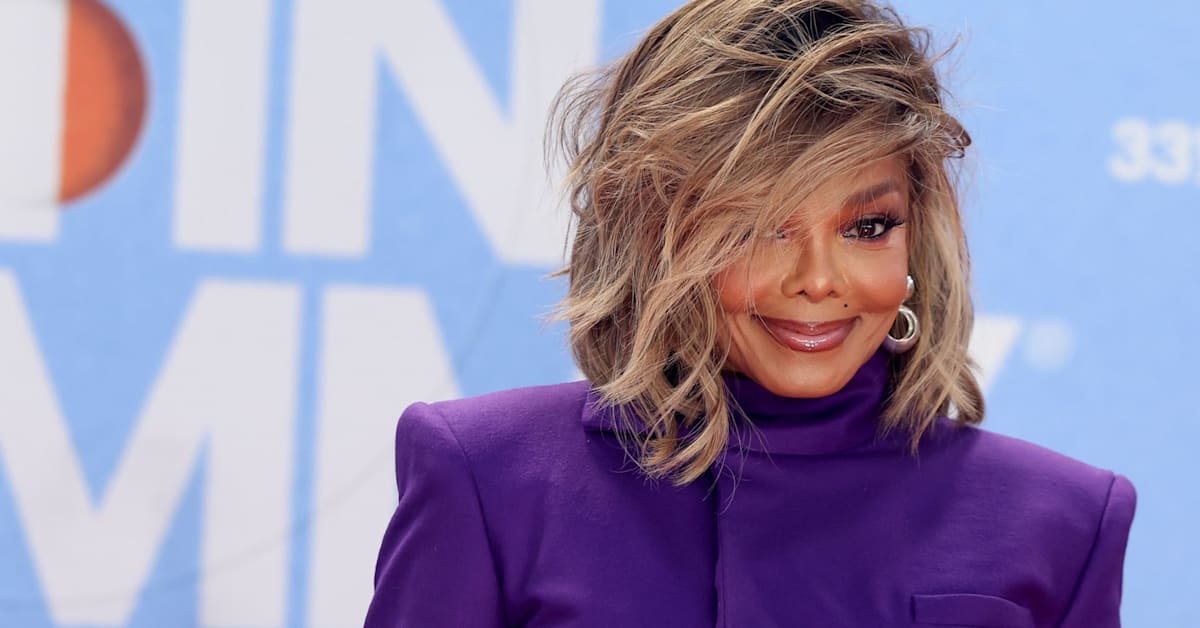
Janet Jackson’s reported Latin Grammys hairstyle has sparked a familiar argument: when does fashion criticism become a referendum on a Black woman’s right to age? The source account describes a layered bob with blonde highlights, a purple suit and sharply divided reactions. Some fans saw royalty. Others wanted the hair dismissed immediately. A haircut can absolutely miss for somebody. That is the price of having taste, and everybody gets a vote. But the leap from disliking a style to questioning the woman wearing it deserves more scrutiny than another round of wig jokes. Especially when the reported reason she showed up, honoring Daddy Yankee, starts disappearing behind commentary about her appearance.
The account summarized in PVN’s source story on Jackson’s look attributes the fashion reporting to Parade. It places Jackson at the 2026 Latin Grammy Awards at Las Vegas’ MGM Grand Garden Arena, attending to honor Daddy Yankee. It identifies her outfit as custom Luar and credits hairstylist Ashanti Lation with the bob. Those details come from that account, not independent confirmation here. The supplied material includes neither the original Parade article link nor direct social post links. That limits what can responsibly be claimed about the event and the response. Reactions reportedly circulated across Instagram and Facebook, but their reach and context remain unverified here. Selected comments establish disagreement, not a universal verdict.
The purple suit matters because the conversation was not uniformly negative, even within that selection. The source describes a structured silhouette and fans calling Jackson “royalty.” That response suggests the styling had supporters beyond people defending a beloved singer on principle. Tailoring creates its own statement, especially when a bold color carries the look. Custom Luar was part of the fashion story, not merely a backdrop for whichever hair comment traveled furthest. The bob, described as tousled and razor cut, introduced a different texture beside those sharper lines. Whether that contrast worked is a fair fashion question. Calling the entire appearance a disaster would flatten the very split the source describes. The outfit and the hair did not receive identical reviews.
The harsher comments need their proper labels, too. “Her stylist is not her friend,” one commenter wrote, according to the source summary. Another said, “That wig gotta go.” Neither remark establishes anything about Jackson’s relationship with Lation, and neither proves the hairstyle was a wig. The supplied reporting does not settle that question. Repeating the label confidently does not turn a viewer’s guess into a verified detail about what Jackson actually wore. Online shorthand often turns an opinion about a finished look into a claim about somebody’s competence or loyalty. That is a considerable jump from one appearance. A stylist credit identifies a contributor. It does not reveal the consultation, Jackson’s preferences or how the final choices were made.
The praise carries its own assumptions. “She don't even look 60,” one admirer wrote, as quoted in the source account. The intention sounds affectionate, but the compliment still makes youth the prize. Jackson was born May 16, 1966, so the account’s description of her as 60 fits a late 2026 appearance. There is no reason that number should function like an accusation requiring a flattering rebuttal. Other fans praised her “face card,” according to the summary. Admiration is welcome. So is celebrating a woman whose beauty does not have to be measured against a younger version of herself. The better version leaves room for beauty at 60 without treating the age itself as something her face has successfully concealed.
Jackson’s history makes this especially familiar territory. Control arrived in 1986 with an assertion of independence that extended through its music, choreography and styling. Rhythm Nation 1814 followed in 1989, turning military inspired clothing into part of a recognizable artistic language. Her braids in the 1993 film Poetic Justice became another enduring reference for Black beauty. These were distinct looks serving different projects, not one approved image repeated forever. The cultural influence came partly from her willingness to present something different, a freedom fans benefit from whenever they revisit those images for inspiration. Jackson entered the Rock & Roll Hall of Fame in 2019 with a career already full of visual reinvention. Remembering those eras should expand the room she gets to experiment now. Nostalgia becomes restrictive when fans preserve the reference but deny its creator permission to change.
The real problem starts when a preference becomes permission to put somebody on trial.
A Black woman should not need a perfect hairstyle to receive an ordinary measure of respect.
For Jackson, the fairest standard is also the simplest: judge the styling without making her defend her standing. A bob can divide the room without diminishing the person beneath it. A Black woman should not need a perfect hairstyle to receive an ordinary measure of respect. Fans do not owe every appearance applause, and calling every critique hateful would be lazy. But affection that disappears over highlights was never much protection. Jackson has earned room to choose something playful, unfamiliar or simply not to everyone’s taste. That freedom also means accepting that her personal preferences might not match the version of Janet somebody saved on a mood board. Her catalog does not need to serve as a legal defense for her haircut. Nor does every new look need to become another career defining statement.
The industry argument is about attention and who gets paid for directing it. A tribute appearance offers several possible stories: the honoree, the guest’s significance, the clothes and the creative team. Reaction coverage can shrink all of that into the easiest insult to repeat. A headline built around the harshest comment can invite readers to pile on before they have even considered the look itself. That does not prove a publicist engineered this debate or that a brand planned a controversy. No supplied evidence supports either claim. It does show why editors need standards beyond finding comments with bite. PVN’s broader question about who gets flowers and who sets the rules belongs here, too. Recognition means little when coverage immediately trades the honoree’s work for a beauty tribunal.
The audience has a choice that does not require becoming humorless. Say the cut feels too choppy. Prefer another color. Admit the suit worked better than the hair. Specific criticism gives readers something to consider besides whether they like the celebrity. Comparisons to Wendy Williams, which the source says appeared, can instead turn another woman’s appearance into the punch line. That move adds no insight about proportion, texture or styling. It simply recruits a second recognizable face for the joke. Wendy does not need to catch a stray for somebody to explain why blonde highlights were not their favorite choice. The group chat can be funny without making women interchangeable targets. Readers should also notice when six selected reactions are being presented with the authority of a public opinion poll.
Race, age and money shape this exchange even when nobody names them. Black women’s hair has long been treated as evidence of professionalism, desirability and respectability. California’s 2019 CROWN Act addressed discrimination tied to natural hair and protective styles in employment and education. A celebrity fashion debate is not the same as workplace discrimination. Still, both expose how readily people assign character to a hairstyle. The stakes differ, but the impulse to read a woman’s worth through her grooming deserves examination. Wealth gives Jackson access to custom clothes and celebrated collaborators, but it cannot purchase immunity from those expectations. Famous Black women can be told to stay youthful while also being mocked for trying something new. That leaves a narrow lane, policed by people who insist they are only offering helpful advice.
Advertisement
What should happen next is better reporting and a better conversation. Direct event documentation, the original fashion credits and any comments from Jackson or her team would strengthen the factual record. Until then, nobody needs to invent a styling feud, a secret rollout or a personal crisis to explain a divisive bob. Readers can keep their taste and retire the extra verdicts. Editors can cover an outfit without pretending selected insults represent everybody. Jackson can wear another look whenever she chooses, without owing this one an apology. The haircut is optional viewing. Her dignity should not be up for a vote.
More from PowerVault Network: