Offset Admits Gambling Problem, Talks Cardi B Split
By Renee Fontaine, PowerVault Staff Offset says he lost his focus before GMFU, putting accountability at the center of his latest music reset amid his Cardi B split. That is a sharper starting point than blaming blogs...
Advertisement

By Renee Fontaine, PowerVault Staff
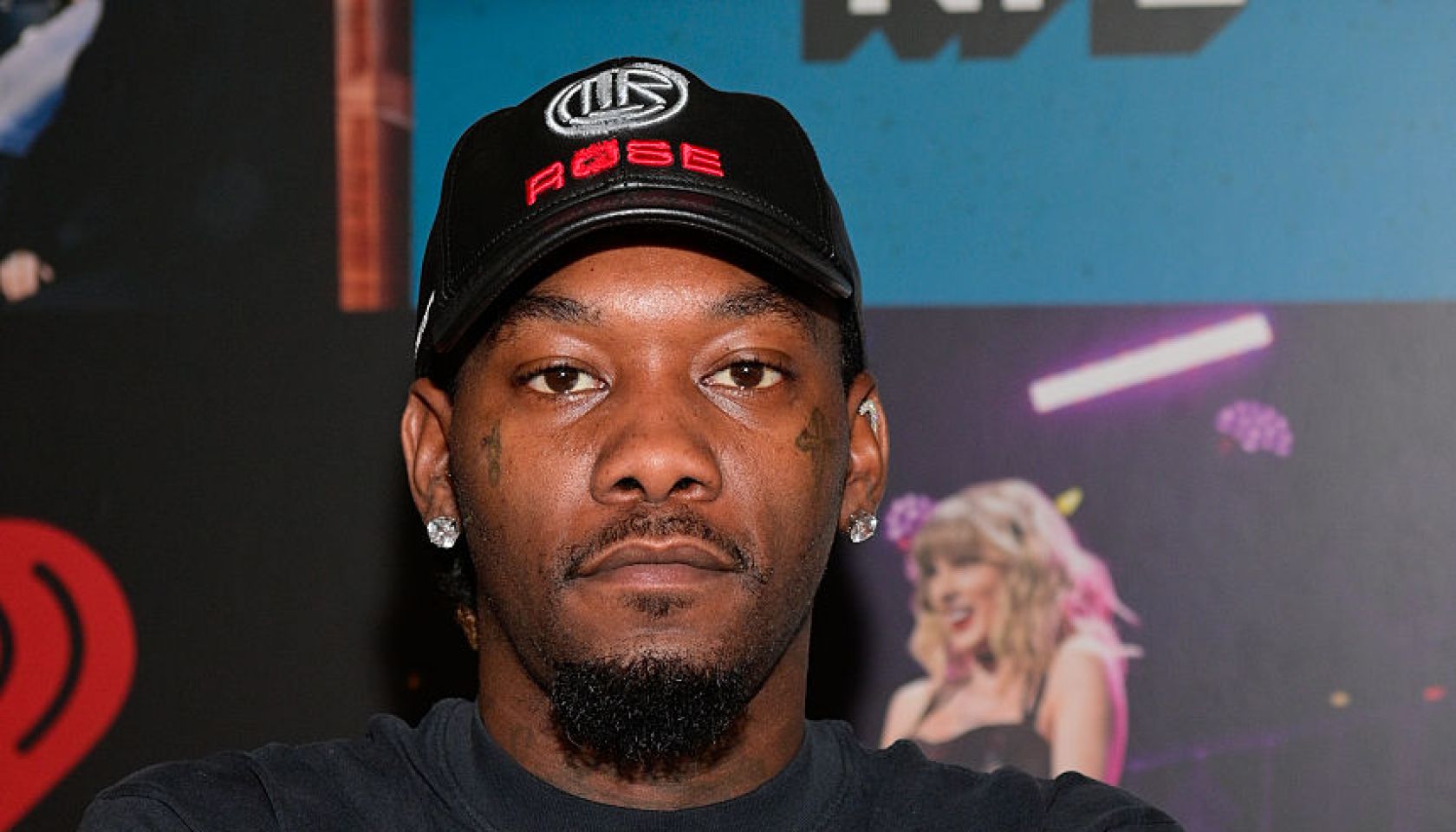
Offset says he lost his focus before GMFU, putting accountability at the center of his latest music reset amid his Cardi B split. That is a sharper starting point than blaming blogs, fans, or an ex for every bad headline. But an honest admission and a repaired reputation are different assignments. The first can happen during an interview. The second takes conduct that holds up after the microphones disappear. For an artist whose marriage has often competed with his music for attention, that difference deserves more attention than another round of relationship scorekeeping. The interesting question is whether music becomes his foundation again, rather than simply the backdrop for another personal controversy.
The supplied report points to Offset’s appearance on The New York Times’ Popcast, where he discussed feeling disconnected from his purpose. “I had a period of time when I was lost,” he told the hosts, according to the interview excerpt. The report frames GMFU as an effort to address damage to his public image, including the breakdown of his marriage to Cardi B. It describes the former couple as sharing three young children. That makes this bigger than two famous people trading public frustrations. There is a family behind the headlines, and its needs do not follow an album calendar. An interview gives him control of his own explanation, not permission to narrate everybody else’s experience of that marriage, too.
Offset’s explanation connects that period of confusion to losing sight of music. “I went through so many hits and I feel like it became a blur to what my passion and my vision is, which is music,” he said in the excerpt. The passage does not identify every setback he means. It would be careless to fill those gaps with assumptions about his marriage, grief, or health. What the quote establishes is how he describes his own experience: overwhelmed, distracted, and trying to return to work that once gave him direction. That is his account, not an independent finding about what caused his troubles. His stated response was direct: “I’ma just focus on this music.” The record is where listeners can assess that creative commitment.
The gambling claim needs its own fact check. The supplied headline says Offset admitted a gambling problem, but the accompanying excerpt contains no direct statement about gambling. It gives no details about frequency, financial losses, treatment, or a diagnosis. Those blanks matter. A headline alone cannot support a clinical label or a confident explanation of someone’s behavior. Until the admission can be checked against the full interview, the responsible move is to keep it attributed and limited. Acknowledging harmful gambling and receiving a clinical diagnosis are not interchangeable, and neither should become shorthand for every setback someone experiences. Readers deserve that distinction, especially when a celebrity story touches a problem that can carry serious financial and emotional consequences for ordinary families.
His claim of accountability also deserves close reading. Offset says the public discussion involves things “that, I’ve taken full accountability for,” according to the excerpt. That wording tells readers how he views his response; it does not establish that everyone affected agrees. The passage does not spell out which actions he means, what repair involved, or whether that work is continuing. None of that makes the statement worthless. It makes it a starting point for better questions. What changed beyond the explanation? Which boundaries now exist? Those answers need not expose private conversations, but they should establish something more concrete than his frustration with being discussed. A useful interview should leave room for those questions instead of treating the declaration itself as closure.
Offset has already proved that his musical identity extends beyond celebrity marriage coverage. Migos released “Bad and Boujee” in 2016, and it reached No. 1 on the Billboard Hot 100 in 2017. Culture arrived that same year, turning the Atlanta trio’s chemistry into a defining rap moment. Their rhythmic interplay made room for three distinct personalities without sacrificing the collective energy. Offset deserves his flowers for that contribution. Offset later released Father of 4 in 2019 and Set It Off in 2023. Takeoff’s death in November 2022 also belongs to this history, though nobody should assign private motives through grief. These milestones explain why a reset carries stakes beyond image management. Fans remember a performer who helped shape rap’s sound. Wanting that artist to thrive does not require pretending every personal choice deserves applause from the people who supported his work.
A confession can earn attention; changed behavior has to earn trust without an audience keeping score.
A confession can start a comeback, but it cannot certify one.
For Offset personally, the strongest version of accountability would stop making public approval the finish line. A confession can start a comeback, but it cannot certify one. Cardi B does not owe him reconciliation because he speaks more openly, and fans cannot accept an apology on her behalf. Children should not become supporting characters in an adult redemption campaign, either. The useful standard is quieter: respect privacy, keep commitments, and avoid recruiting spectators into family disputes. That also means accepting that the people closest to a situation may need more time than an audience eager for a tidy ending is willing to allow. Black love deserves celebration, including when love requires distance and boundaries. A healthier family arrangement can be a win without becoming the romantic reunion strangers keep requesting.
For the industry, this is a test of how emotional honesty gets packaged around a release. An album interview can be sincere and promotional at once. Publicists seek attention, artists need listeners, and a personal revelation can travel farther than a discussion of production choices. Once clipped for social media, that revelation can become the campaign’s defining sound bite, regardless of what else the artist discussed. That overlap does not prove deception. It does mean editors should resist turning vulnerability into an automatic endorsement. Ask about the music, then ask what accountability means beyond the campaign. PVN’s coverage of relationship talk around Latto and 21 Savage offers a related subject for readers: how quickly romance can compete with artistry for attention. The promotional value of intimacy deserves scrutiny without declaring every feeling fake.
For audiences, the challenge is retiring the idea that supporting a Black artist requires defending every decision. Buying a record is not a sworn statement about somebody’s marriage. Enjoying Cardi’s music does not require celebrating Offset’s lowest moments, either. Group chats can hold more than two positions, despite what fan wars suggest. Nobody needs to audition for a celebrity’s defense team every time an uncomfortable quote lands on the timeline. The membership benefits look thin. Support can sound like hoping he gets whatever help he needs while refusing to excuse harm. It can also mean leaving their children out of jokes and declining to treat private reconciliation as public property. The grown response is not less entertaining because it has limits. Sometimes the best contribution is refusing to make a difficult situation uglier.
Race, gender, and money shape who gets offered that grace. Black men deserve space to admit distress without being reduced to threats or punch lines. Black women deserve the same humanity without being assigned the unpaid job of restoring a partner’s reputation. Cardi’s success does not make her responsible for managing his recovery, image, or next chapter. The familiar demand that a woman prove loyalty by absorbing endless discomfort is not community care, no matter how warmly it gets packaged. Celebrity wealth adds another layer: famous people may have access to professional support that many listeners struggle to afford. That access should expand expectations for responsible action, not erase compassion. PVN’s look at who benefits from Wu-Tang Clan’s Rock Hall recognition approaches a related tension between Black achievement and the institutions surrounding it.
Advertisement
Next comes the part no interview can settle. Listeners can judge GMFU as music, while future reporting tests the claims surrounding its release. Any gambling admission needs its full context before it becomes a diagnosis by comment section. Any promise of accountability deserves follow through rather than instant applause or automatic disbelief. The fairest outcome leaves room for Offset to grow without asking Cardi B, their children, or the audience to certify that growth on demand. A strong record would be worth celebrating. A steadier life would matter more. The comeback worth watching is the one that no longer needs witnesses.
More from PowerVault Network: