Chazz Palminteri Cast Black Woman in Key Role
By Marcus Ellison, PowerVault Staff Chazz Palminteri took a stand for representation when he and director Robert De Niro decided to cast Taral Hicks, a Black woman, in the pivotal role of Jane Williams in the 1993 fil...
Advertisement

By Marcus Ellison, PowerVault Staff
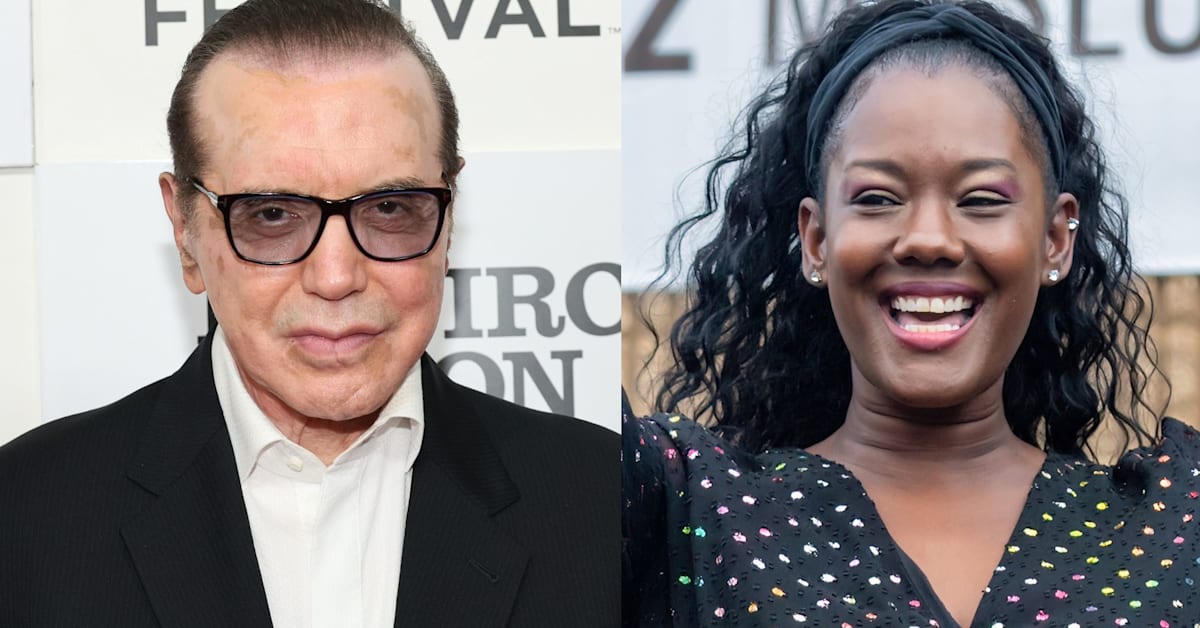
Chazz Palminteri took a stand for representation when he and director Robert De Niro decided to cast Taral Hicks, a Black woman, in the pivotal role of Jane Williams in the 1993 film 'A Bronx Tale.' This decision, made in the face of a studio that was initially pushing for a mixed-race actress, shows a dedication to authentic storytelling. By doing so, Palminteri and De Niro were not just filling a role, they were making a statement. This choice ultimately gave Hicks a career-defining role at just 16 years old, allowing her to shine in a film that would become a staple in discussions of race, love, and identity. It was a bold move that set the tone for more complicated portrayals of Black characters in mainstream cinema.
The backstory of this casting decision unfolded on the 300th episode of 'The Chazz Palminteri Show,' where Palminteri, in conversation with Hicks, recounted the insistence on casting a Black actress as the love interest for Calogero, the film's protagonist. This narrative choice was not just about realism, it was a deliberate challenge to Hollywood's norms, which often favored lighter-skinned representations of Blackness. Palminteri's decision was rooted in a commitment to depicting a genuine portrayal of interracial relationships, a theme that was revolutionary for its time. Hicks's transition into the film industry was notably influenced by her previous performances in Harlem's 'Mama, I Want to Sing,' a show that had already showcased her formidable talent and stage presence, making her an ideal candidate for the role.
Hicks's journey to 'A Bronx Tale' wasn't a straightforward one. Her sister spotted an audition ad on the widely viewed local program, Video Music Box, setting off a chain of events that would see Hicks rise above competition from established names like Robin Givens and supermodel Naomi Campbell. It was a classic story of being at the right place at the right time, but also of being the right talent. Palminteri acknowledged in their chat, 'Nobody was better than you,' proof of Hicks's raw talent and the authenticity she brought to the role. This acknowledgment from Palminteri wasn't just praise; it was an affirmation of Hicks's ability to embody a character with depth and sincerity, qualities that were crucial for the film's exploration of race and love.
Released in 1993, 'A Bronx Tale' was not only De Niro's directorial debut but also an adaptation of Palminteri's critically acclaimed one-man play. The film is set against the vibrant yet turbulent backdrop of the 1960s Bronx, an era marked by stark racial divides and cultural upheaval. Through the relationship between Calogero, a young Italian-American, and Jane, a Black classmate, the film gets into themes of racial tension and identity. This dynamic between the characters did more than just add depth to the storyline, it made a powerful statement about interracial relationships during a period when such narratives were often sanitized or completely overlooked by Hollywood. The film's commitment to authenticity in portraying these complexities was groundbreaking, providing a more honest reflection of the societal issues of the time.
Hicks's portrayal of Jane was more than just a role; it became a representation of the complexities and beauty of interracial love, marking her as a talent to watch. Her performance was both layered and poignant, capturing the subtleties of a young woman handling the challenges and prejudices of her time. This depth elevated 'A Bronx Tale' to a classic status that continues to resonate with audiences today. For the Black community, Hicks's role offered a more complicated portrayal of Black women on screen, breaking away from the stereotypes that often limited their representation. Her ability to convey the intricacies of her character's emotional scene made Jane a relatable and enduring figure, proving that stories centered on Black experiences could be both universal and deeply personal.
The decision to cast Hicks is part of a broader history where casting directors and producers have occasionally bucked the trend to provide authentic representation in media. Think back to 1992 when Whitney Houston was cast in 'The Bodyguard,' a move that similarly broke barriers and opened doors in Hollywood. These casting choices are more than just isolated incidents, they reflect a slow yet significant shift towards inclusivity, challenging the traditional casting biases that have historically limited opportunities for actors of color. Each decision to cast authentically contributes to a larger movement that seeks to redefine what it means to tell diverse stories. It's a reminder of the power of representation to change perceptions, challenge stereotypes, and ultimately, pave the way for a more inclusive industry.
But let's not sugarcoat it: the fight for representation is far from over.
True representation in media isn't just about filling a role, it's about breaking barriers and reshaping narratives.
Chazz Palminteri's choice wasn't merely about casting the best actress for the role; it was a deliberate step towards reshaping narratives in cinema. By insisting on a Black actress for Jane, Palminteri and De Niro pushed back against an industry often resistant to change and dominated by conventional casting practices. This move wasn't just about artistic integrity, it was about challenging the systemic biases that have long dictated who gets to tell their stories on screen. By making this choice, they encouraged a reevaluation of what it means to truly represent diverse stories and characters. It's proof of the idea that creative decisions in film can be acts of resistance, altering the narrative scene and offering audiences a chance to see themselves in new and empowering ways.
For the entertainment industry, this decision shows the power and responsibility filmmakers have in shaping cultural perceptions. Authentic casting not only enriches storytelling but also provides audiences, especially those from marginalized communities, with the representation they deserve. It offers them the opportunity to see their lives and stories reflected with honesty and integrity. This is a crucial step towards dismantling the outdated paradigms that have long dictated who gets to see themselves represented in media. By choosing to cast Hicks, Palminteri and De Niro sent a message to the industry: that there is an undeniable value in telling diverse stories authentically. Such choices challenge the status quo, encouraging other filmmakers to follow suit and consider the broader impact of their casting decisions on cultural narratives.
For the audience, particularly within the Black community, Hicks's performance as Jane reaffirms the importance of demanding and supporting true representation. Her role in 'A Bronx Tale' became a touchstone for Black viewers, serving as a reminder of the profound impact that inclusive and genuine storytelling can have. It's a call for viewers to continue advocating for diverse narratives, recognizing the power of their voices in shaping the media scene. By celebrating those who work within the industry to bring these stories to life, audiences can help foster an environment where diverse stories are not just told, but celebrated. Hicks's portrayal is proof of the transformative power of representation, illustrating how authentic depictions can resonate deeply and inspire future generations.
Hollywood's casting choices are intricate tapestries woven with threads of race, class, and opportunity. By defying the studio's preference for an actress who appeared mixed-race, Palminteri and De Niro highlighted the intersection of race and industry dynamics. Their decision emphasized that representation isn't just a checkbox, it's a vital part of storytelling that influences societal perceptions and can change the trajectory of an actor's career. This choice was a bold statement against an industry historically resistant to change, underscoring the need for more inclusive and varied portrayals of Black experiences. It challenges the industry to not only acknowledge its biases but to actively work against them, creating a space where stories can be told with the authenticity and diversity they deserve.
Advertisement
What's next after this revelation? The conversation shouldn't stop here. As audiences become more vocal about the stories they want to see, filmmakers and studios must keep up with this demand for authenticity. It's time for Hollywood to reflect the diversity of the world we live in, to tell stories that resonate, and to cast actors who embody the characters they portray, not just fit a superficial mold. True representation in media isn't just about filling a role, it's about breaking barriers and reshaping narratives. This means actively seeking out and supporting stories that challenge the status quo, ensuring that the media scene is as rich and varied as the world it seeks to reflect. It's a call to action for an industry ready to evolve.
More from PowerVault Network: