
Keyshia Cole and Skrilla Split: What the Tattoo Cannot Fix
By Tanya Brooks, PowerVault Staff Keyshia Cole announced her breakup with Skrilla days before the rapper publicly insisted they were together forever. That contradiction is the story, not merely the tattoo he got less...
Advertisement

By Tanya Brooks, PowerVault Staff
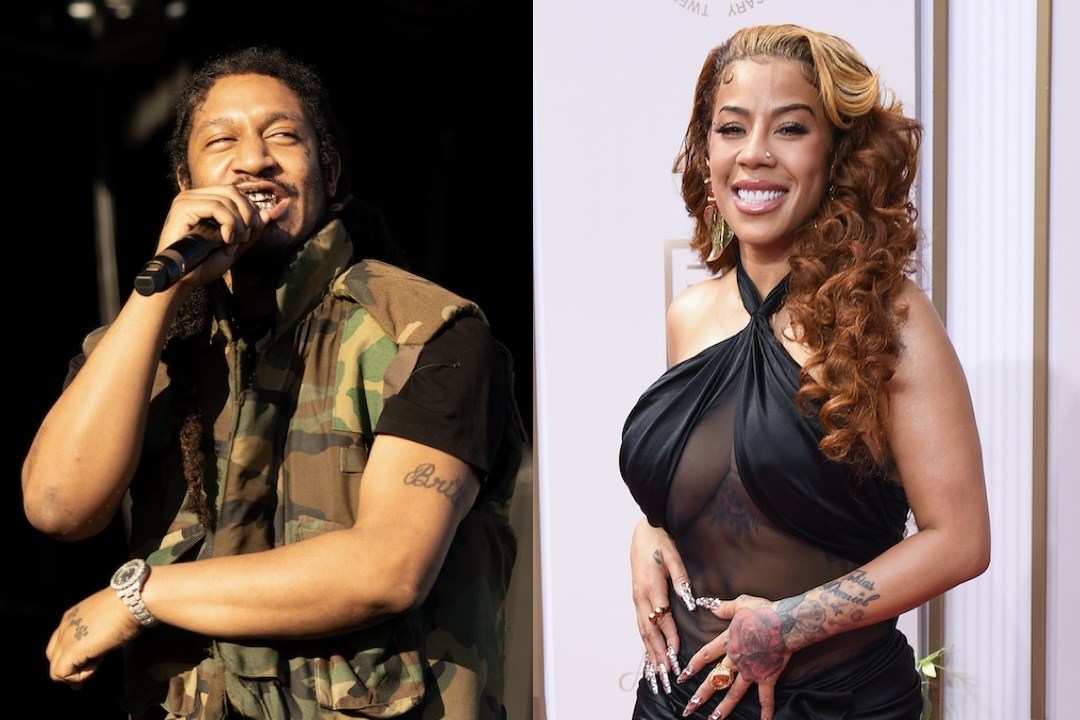
Keyshia Cole announced her breakup with Skrilla days before the rapper publicly insisted they were together forever. That contradiction is the story, not merely the tattoo he got less than a month before the split. Cole called herself single on Nov. 6. By Nov. 9, Skrilla was calling her his wife on Instagram. Those statements do not establish a reunion, and neither a tattoo nor a concert dedication fills that gap. Fans have two public positions that do not match. Treating his declaration as the final word would erase the clearest statement she has made about her own relationship status.
According to XXL's reporting on the split, Cole, 45, and Skrilla, 27, had been dating since the summer. The Philadelphia rapper, a 2026 XXL Freshman known for “Doot Doot (6 7),” represents a different career generation from the R&B singer. Their 18 year age difference makes an easy headline, but it explains nothing about why they separated. Neither artist supplied a reason in the statements cited by XXL. There is no basis here to declare cheating, a publicity arrangement, or label interference. Different audiences and career stages are context, not evidence that somebody had an agenda. The available facts support a breakup announcement followed by a conflicting declaration, not a complete account of what happened privately.
Cole's Nov. 6 Instagram Story paired a sentence about finding peace with Fabolous' 2023 track “Selfish.” The image read, “It's peaceful when you're not interested in anyone anymore.” Her own addition removed the guesswork: “Currently cooking up the greatest rebrand of my life rn. Single. Happy. Focused.” She closed that message with a white heart emoji, keeping the presentation calm rather than naming grievances. That is a direct statement of status, even if the word “rebrand” leaves room for questions about her next chapter. It does not announce an album, a campaign, or any specific business move. Nobody needs to manufacture a rollout from an Instagram caption. The social post shared below belongs alongside those dated statements, not above them.
That post sits inside a relationship already introduced through carefully selected public glimpses. Romance rumors started in early July after both artists shared photos, XXL reported. One bathroom selfie showed Cole holding Skrilla from behind, with her caption reading, “Yup.” Other Instagram Story updates showed them at a nightclub and on a yacht. Those images established that they wanted some part of their connection seen. They did not establish its private terms. XXL's article body also places the tattoo of her name on his back, despite the source headline describing his neck. He got that ink less than a month before the reported split. That discrepancy matters when the tattoo is becoming the detail everybody repeats. Precision should survive the punchline.
Skrilla's Nov. 9 Instagram video pushed a different message from Cole's announcement. “Yo, stop playing with my girl, Keyshia,” he said. “That's my wife, she will never leave me, we together forever.” That insistence arrived three days after she publicly described herself as single, making the sequence important. Calling someone a wife in a video does not establish a legal marriage. Nor does that declaration confirm that Cole changed her position. XXL reported no direct response from him to her single announcement, but described him attempting her 2005 ballad “Love” during Chief Keef's East Court Tour. The performance adds a musical gesture, not an explanation from both people. The video below gives readers footage to consider alongside those limits.
The musical connection matters because “Love” already carried a history before this relationship entered the picture. Cole released her debut album, The Way It Is, in 2005. Her BET reality series, Keyshia Cole: The Way It Is, followed in 2006, bringing family struggles and ambition into viewers' homes. Fans learned to connect her records with a person whose life was not polished into perfection. Mary J. Blige's 1994 album My Life helped establish an earlier model for that kind of emotional bond. For younger listeners encountering Cole through Skrilla's clip, that lineage matters: the emotional weight was there long before this romance supplied a new caption. This history helps explain why a performance clip can feel personal to listeners. The song still belongs to a career much larger than the relationship now attached to it.
The central issue is whose words get treated as authoritative when two public accounts collide.
A tattoo records one person's decision, not two people's agreement.
Cole does not owe the audience continued participation because Skrilla made a permanent gesture. A tattoo records one person's decision, not two people's agreement. His affection may be sincere, and the public record does not establish his private intentions. Still, sincerity cannot answer for another adult. The same principle applies outside celebrity relationships, where gifts and grand gestures sometimes get treated like deposits toward somebody's future loyalty. They are not contracts. Making the gesture visible to millions does not create an obligation that would not exist if nobody else had seen it. Fans can feel for a person facing a breakup without turning the other person into a villain for leaving. Cole's statement should stand unless she changes it herself. Anything else gives the louder declaration authority it has not earned.
The industry argument concerns attention, and attention is not the same thing as artistic growth. A relationship clip can introduce Skrilla to Cole's listeners without convincing them to stream his next release. Likewise, renewed interest in “Love” does not tell readers who owns its master or how any resulting revenue gets divided. Recording income and songwriting royalties follow different rights and agreements. A concert rendition also is not a stream of Cole's recording; hearing the melody does not mean her master generated a play. No contracts are available here to calculate either artist's benefit. PVN's coverage of Drake's questions about Billboard rules touches the related distinction between visibility and what industry systems count. Keep that distinction in mind when watching the next video.
Whatever viewers take from that footage, it cannot supply the missing private conversation. The audience has its own responsibility here: stop treating access as ownership. Fans received bathroom selfies, yacht updates, a tattoo story, and conflicting public statements. That still does not entitle strangers to a full explanation. Nor should every visible relationship become a countdown to embarrassment. Screenshots preserve what somebody posted, but they rarely preserve the conversations around it. A comment section cannot fill those holes by voting. PVN's look at Blueface's White House tattoo offers another entry point into how celebrity ink becomes public shorthand. A tattoo can tell readers what somebody chose to display. It cannot reliably explain their judgment, predict a relationship, or settle a dispute. Those conclusions require evidence, not better captions.
Black women in entertainment face a particular trap when their personal lives become public discussion. Vulnerability helps build the connection that sells records, yet expressing a boundary can invite accusations of bitterness or manipulation. Cole's catalog gives listeners emotional access; it does not give them permission to decide whether she should stay. Singing about heartbreak is not a promise to keep living through it for an audience's entertainment. The age gap adds another potential double standard. An older woman can get reduced to a joke or a cautionary tale where an older man receives applause. None of that proves how every fan reacted here. It identifies a familiar framework worth refusing before the commentary hardens into judgment. Criticism should address actual conduct, not punish a Black woman for choosing herself.
Advertisement
The next meaningful development would be a clear update from Cole or a direct explanation from Skrilla that addresses the conflicting statements. Another performance, tattoo photo, or affectionate caption would not settle the question by itself. Readers should also watch what each artist releases without assuming every lyric documents this breakup. Songs can draw from experience without serving as sworn testimony. Cole has stated that she is single. Skrilla has publicly insisted on forever. Until either provides more, responsible coverage should preserve that distinction rather than invent a reconciliation or assign blame. Permanent ink still cannot make somebody else's decision.
More from PowerVault Network:
