
Offset and Quavo Back Atlanta Benefit for Children
By Malik Carter, PowerVault Staff Offset and Quavo are booked for an Atlanta benefit supporting families raising children with disabilities, with DJ Ray G’s late son at its heart. The November 28 concert will help lau...
Advertisement

By Malik Carter, PowerVault Staff
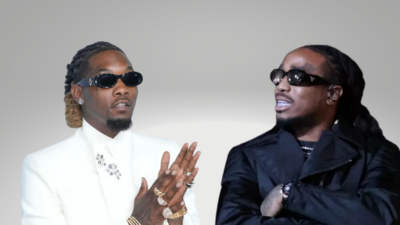
Offset and Quavo are booked for an Atlanta benefit supporting families raising children with disabilities, with DJ Ray G’s late son at its heart. The November 28 concert will help launch AVN Strong Weekend, putting two major hometown names behind a father’s mission. That deserves attention on its own terms. Atlanta’s music community has an opportunity here to show what its relationships can make possible. The celebrity billing might bring people through the door, but the purpose should determine what happens after they leave. For once, the most useful question about these two rappers sharing an announcement has nothing to do with their relationship. It is about the families this effort intends to serve.
The details in PVN’s initial report on the Atlanta benefit come from representatives for the foundation. Ray G launched AVN Strong after his son AVN died in 2025, drawing on his experience as a parent. The organization says its work will extend beyond the opening events through resources and support for families raising children with disabilities. That is the stated mission, not yet a documented record of services. An announcement introduces an organization; it does not establish everything that organization will deliver. The available announcement does not specify a fundraising target, ticket prices, or how concert proceeds will be allocated. Those missing details matter to anyone deciding whether to attend, donate, or recommend the effort.
Ray G’s own words give the launch its clearest center. “AVN Strong is my way of honoring my son while building something that can make a meaningful difference for other families,” he said in his statement. That is a father describing what he hopes to build from loss. It does not tell the public which services will launch first, and coverage should not pretend otherwise. Readers also should not have to consume private details about AVN’s life to understand the mission. Grief does not come with an obligation to make every family experience public, even when a benefit carries celebrity names. His father has shared a purpose. That deserves respect without turning a child’s memory into an invitation for speculation.
The connection between Ray G and the performers predates this benefit by years. According to the supplied account, he began working with Migos as a DJ in 2011, introducing their music to club audiences and joining them on tour. Mansion Elan was part of that Atlanta circuit, bringing college students and neighborhood regulars into the same room. Those details explain why this booking carries more weight than a random celebrity endorsement. Before national audiences learned the records, local DJs helped test them against actual crowds. A crowd moving to a record could tell a DJ something a promotional email never would. Ray G participated in that work. Now artists connected to those early years are attached to a cause he created.
His career later included becoming Cardi B’s touring DJ and playing major festivals. That background matters because touring DJs do more than press play beside somebody famous. They help manage a show’s momentum, support transitions, and read an audience when a set needs adjusting. On a festival stage, that judgment helps keep a performance connected to people well beyond the front row. Ray G’s history places him inside the professional relationships that keep live entertainment moving. Still, the announcement establishes a booking, not the financial terms behind it. Nothing provided confirms whether Offset or Quavo waived fees, made separate donations, or planned a joint set. Giving them flowers for supporting the event does not require inventing extra generosity or promises.
Atlanta also gives this story a deeper connection to disability rights. The Americans with Disabilities Act became law in 1990, establishing protections against disability discrimination. The federal government’s guide to the ADA explains obligations covering public accommodations, government services, employment, and other areas. Then came Olmstead v. L.C. In 1999, a Supreme Court case involving two women institutionalized in Georgia. The ruling recognized that unjustified segregation of people with disabilities violates the ADA. These are not distant policy footnotes to an Atlanta benefit. They establish why access and community participation belong at the center of this conversation. Families should not have to frame inclusion as a special favor to earn public support. Disabled children belong in community life because they are community members, not because a fundraiser makes their presence possible. Charity can help families, but it cannot replace their rights.
The real test starts when the applause stops and families still need somewhere to turn.
A charity concert should not become a reunion rumor wearing a foundation logo.
For Ray G, the strongest version of this launch allows him to remain a father with a mission, not a supporting character in somebody else’s celebrity coverage. A charity concert should not become a reunion rumor wearing a foundation logo. Offset and Quavo’s names will naturally attract interest, but shared billing does not establish a permanent musical reunion or reveal their private relationship. A flyer can confirm who is booked without answering every question fans bring to it. That distinction belongs in the headline conversation too. Coverage that rushes there risks pushing AVN and the intended beneficiaries out of their own story. The better approach gives the artists credit for participating, then returns attention to the work. Their visibility can open the door without taking over the entire room.
For the industry, this is an opportunity to apply its professional muscle beyond promotion. Publicists know how to place a story. Promoters know how to sell tickets. Sponsors know how to attach a logo to a moment people care about. The harder assignment is explaining the benefit clearly enough that supporters understand what their money makes possible. That explanation should be as easy to find as the celebrity billing, not buried somewhere supporters have to hunt down after they have paid. PVN’s coverage of The Weeknd’s fundraising and where the money goes next points toward the same accountability question. A recognizable name can attract donations, but recognition is not an accounting system. Clear reporting on funds raised, expenses, and services would strengthen this launch without diminishing its heart.
For the community, support should mean more than reposting the flyer and declaring the job done. Families raising children with disabilities are not a single audience with identical needs. Some may need help locating services. Others may need accessible transportation, caregiver support, or information they can actually use. Those are examples of needs a foundation might address, not services AVN Strong has confirmed. Asking organizers what families requested would be more useful than assuming outsiders already know. Disabled people and caregivers deserve a voice in deciding priorities. Listening also means making room for feedback that does not fit a polished campaign, especially when families explain why an offered resource is difficult to use. A benefit earns deeper trust when the people it hopes to serve help shape the work beyond opening weekend.
Race and class also belong in this discussion, without pretending every Black family has the same experience. Taking time off work, arranging transportation, and following up with service providers can demand resources a household cannot spare. A celebrity benefit may draw attention to those pressures, but attention does not automatically reduce them. The event’s own accessibility deserves scrutiny too. Clear venue information, accessible seating, and a practical way to request accommodations should be treated as basic planning. Nothing in the available announcement establishes those arrangements yet. Getting answers early can determine whether a family feels comfortable making plans, particularly when attending requires coordinating care or committing money that is already stretched. A concert supporting children with disabilities should make participation easier for disabled guests and caregivers, not leave them chasing answers.
Advertisement
Next comes the information that turns a promising announcement into a usable invitation: confirmed venue details, ticket access, accommodation contacts, and a clear explanation of how support reaches families. After November 28, the foundation’s follow through will matter more than the strongest performance clip. Offset and Quavo can help bring a substantial audience to Ray G’s mission. Organizers then have the chance to give that audience a concrete reason to stay involved. The flowers are deserved for showing up behind a grieving father’s vision. The lasting win will be measured by whether families can still find help when the stage is empty.
More from PowerVault Network:
