Willie Herndon Faces Murder Charges: Unraveling the St. Louis Freeway Shooting Connection
By Marcus Ellison, PowerVault Staff Willie Herndon, a 42-year-old Texas man, finds himself at the center of a storm that has engulfed the St. Louis community. Accused of the fatal shooting of 17-year-old Alyssa Wilson...
Advertisement

By Marcus Ellison, PowerVault Staff
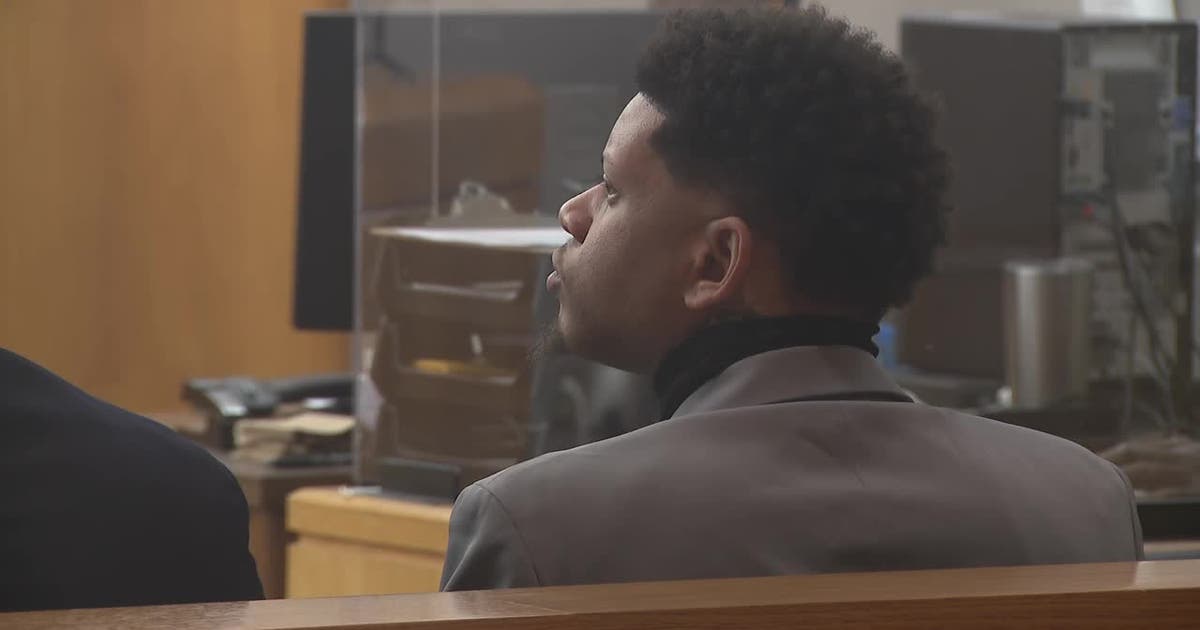
Willie Herndon, a 42-year-old Texas man, finds himself at the center of a storm that has engulfed the St. Louis community. Accused of the fatal shooting of 17-year-old Alyssa Wilson on October 14, Herndon's case has now expanded to include scrutiny regarding a separate freeway shooting just three days prior. Federal investigators are meticulously examining the potential connection between these two violent encounters, unraveling a narrative that has left a community shattered and in search of answers. The possibility that Herndon was involved in more than one incident raises unsettling questions about the nature and motivation behind these attacks, as well as the broader implications for public safety and law enforcement's ability to prevent such tragedies.
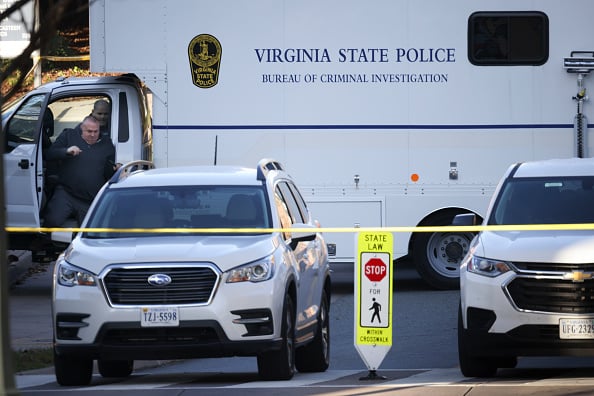
The tragic death of Alyssa Wilson, a promising student from Florissant, Missouri, occurred as she drove along Interstate 170 in St. Louis, a route familiar to many locals. Herndon, who was apprehended alongside his wife, Taiya Herndon, has already been charged with first-degree murder and armed criminal action, according to federal court documents reported by NBC News. The charges against him are severe, reflecting the gravity of the crime that has left Alyssa's family and community grieving. Now, the couple's potential involvement in a shooting on October 11 along Interstate 55 is under investigation, a case that, while earlier, left no injuries but suggests a pattern of violence that federal investigators cannot ignore. This potential link complicates the narrative and shows the need for thorough investigative work.
The investigation intensified after authorities discovered a shell casing from the October 11 incident that bore the same manufacturer's headstamp as one recovered from the scene of Wilson's killing. This detail, while not yet definitive, has prompted federal investigators to delve deeper into the potential connections between these two cases. Laboratory testing is ongoing to determine whether ballistic evidence connects the two cases, a process that could take weeks but is crucial for ensuring that justice is served. The spotlight is firmly on whether these two shootings are the work of the same individual, a question that carries significant implications for the community's safety and trust in law enforcement. As the community waits for answers, the pressure mounts on investigators to piece together the evidence with precision and care.
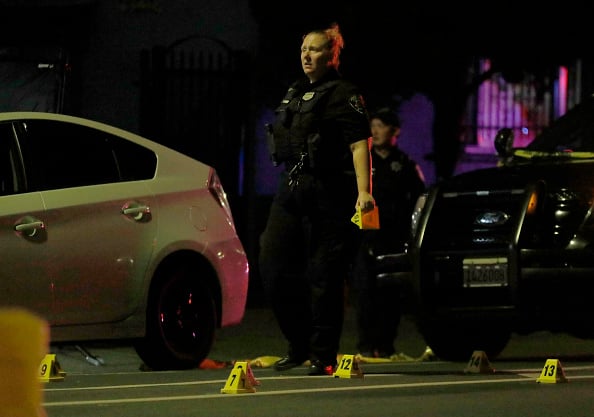
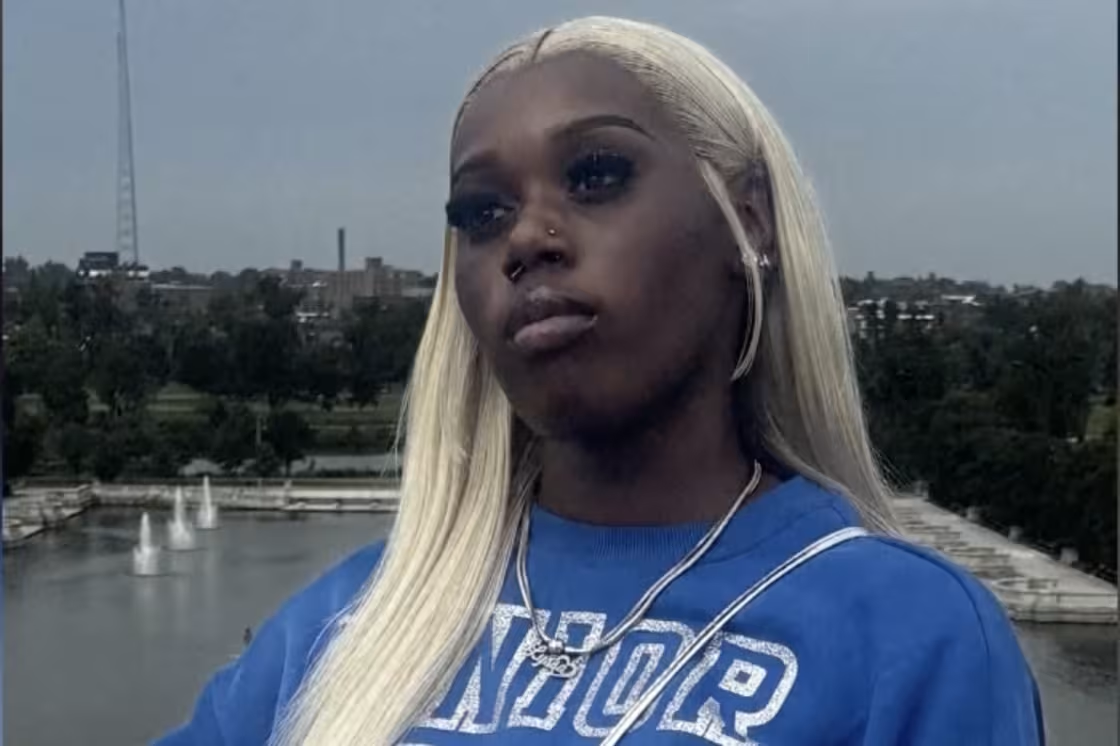
Alyssa Wilson was en route to meet a friend at a Halloween event at the St. Louis Zoo when tragedy struck in a senseless act of violence. Security footage captured a horrific sequence: someone exited a white Buick Enclave stationed on the shoulder of the southbound I-170 and opened fire on her vehicle. The bullet that entered the rear of Wilson's car was fatal, striking her in the back and exiting through her chest, a trajectory that left her with no chance of survival. Despite being rushed to Barnes-Jewish Hospital, Alyssa succumbed to her injuries, leaving a void in the lives of those who knew and loved her. The randomness of the act has intensified the community's fear and anger, as they grapple with the loss of a young life full of promise and potential.
In the aftermath of Wilson's death, authorities meticulously pieced together evidence to trace the white SUV to a hotel in Caseyville, Illinois. This was achieved by leveraging security footage that revealed not only its license plate but also an Arkansas Razorbacks sticker, a distinctive feature that aided in the vehicle's identification. Both the Herndons were arrested shortly thereafter, a swift move that underscored the urgency of the investigation. A search of their hotel room uncovered an AR-15-style rifle and ammunition matching the brand and size of the casing found after Wilson's death, strengthening the case against them. The investigation is broader than it seems, as authorities continue to peel back layers of evidence that could connect the dots between multiple incidents. See the full video below for more evidence.
The case against Herndon brings to light a troubling pattern, reminiscent of other unsolved or mishandled cases involving Black victims in America. History has shown us, as in the unsolved murder of Semaj Coleman that left many questions unanswered, that systemic failures often hinder justice. These failures manifest in multiple ways, from inadequate investigative resources to biases that influence how cases are prioritized and prosecuted. This case echoes those moments in history where accountability was lacking, and communities were left to grapple with their loss in silence. The lack of resolution in such cases not only perpetuates a cycle of violence and injustice but also erodes trust in the institutions meant to protect and serve. It is a stark reminder of the work that remains in addressing racial disparities within the justice system.
But this silence, bred from systemic neglect and indifference, must end decisively.
The pursuit of justice for Alyssa Wilson speaks to a larger cultural need for accountability and change.
The murder of Alyssa Wilson highlights a pervasive issue within our justice system: the failure to protect and serve Black communities effectively. Disparities in how cases involving Black victims are handled must be addressed with urgency and transparency. It seems that often, the wheels of justice turn slower for Black families, a fact that demands urgent rectification for Wilson’s family and beyond. This systemic inertia not only deepens the wounds of those left in mourning but also perpetuates a cycle of mistrust and fear. The justice system must be held accountable to the standards of fairness and equality it purports to uphold, ensuring that every victim is accorded the dignity of a thorough and unbiased investigation. Wilson's case serves as a call to action, urging reforms that prioritize equity and accountability.
Examining Herndon's charges and the potential overlap between these freeway shootings also reveals a broader narrative about gun violence in America. The ease with which firearms can devastate lives points to an urgent need for legislative reform. The prevalence of gun violence, particularly in marginalized communities, shows how crucial it is for laws to evolve in protecting citizens. This tragedy, echoing the contentious discussions around Tory Lanez's case, highlights the ongoing debate about gun control, access, and responsibility. Despite existing regulations, firearms remain alarmingly accessible, often falling into the hands of those with criminal intent. Addressing this issue requires comprehensive policy measures that balance the rights of responsible gun owners with the imperative to prevent senseless violence. The stakes are high, and the need for legislative courage is paramount.
For the communities affected, this story is not just about Alyssa Wilson. It symbolizes every young life cut short and every family burdened by grief yet waiting for justice. These incidents reverberate beyond their immediate impact, touching on deep-seated issues of systemic inequality and societal neglect. Reflecting on the cultural impact, the pursuit of justice for Wilson speaks to a larger cultural need for accountability and change, urging us to question not only how these crimes are committed but how they are addressed by those in power. The collective call for justice is a powerful force, one that seeks not only retribution but also transformation. It is a demand for a justice system that is responsive, equitable, and truly representative of the diverse communities it serves.
Advertisement
Racial undertones and class tensions play a significant role in the lack of urgency in solving cases involving Black victims. Resources often seem disproportionately allocated, leading to slower investigations and delayed justice. The culture of neglect in these instances perpetuates systemic racism, underscoring the necessity for reform and equitable justice. This disparity is not just a failure of the justice system, but a reflection of broader societal inequities that prioritize some lives over others. Addressing this requires a commitment to structural change, where resources are equitably distributed, and all cases are given the attention they deserve. It is a call to dismantle the barriers that have long denied justice to marginalized communities, ensuring that every victim's story is heard, and every family's grief is acknowledged.
As the investigation continues, the focus remains on whether Herndon and his wife will face additional charges related to the October 11 shooting. The ensuing legal proceedings could set a precedent for handling similar cases in the future, highlighting the importance of thorough investigations and timely prosecutions. For Alyssa Wilson’s family and all families seeking closure and justice, the process could offer either a path toward healing or a reminder of a system still in need of reform. This case challenges all of us to consider the structures in place, and whether they truly serve justice or merely perpetuate cycles of violence and disparity. It is a moment for introspection and action, urging a collective commitment to ensuring that justice is not just a promise, but a reality for all.