Lamar Jackson and Ja'Marr Chase Injuries: What It Means for Black NFL Stars
By Renee Fontaine, PowerVault Staff The stadium lights gleamed off helmets as the adrenaline-pumping opening of Week 4 kicked off, but by halftime, the sideline looked like a MASH unit. The early enthusiasm in the sta...
By Renee Fontaine, PowerVault Staff
The stadium lights gleamed off helmets as the adrenaline-pumping opening of Week 4 kicked off, but by halftime, the sideline looked like a MASH unit. The early enthusiasm in the stands was quickly overshadowed by the grim reality of the NFL's brutal physical demands. As Lamar Jackson, Ja'Marr Chase, and other gridiron stars took unexpected seats on the bench, the collective groan from fans signaled more than just disappointment. The NFL's injury bug had bitten hard this season, leaving fans and teams alike questioning what this means beyond the scoreboards. It's a stark reminder of how the sport's intensity can quickly turn a promising season into a game of survival, where the health of key players becomes as crucial as the final score.
The original report from major outlets, like CBS Sports, highlighted a troubling trend of injuries among key players, many of whom are Black athletes carrying the weight of expectations in a predominantly white league. For players like Lamar Jackson and Ja'Marr Chase, being sidelined isn't just a personal setback; it's a blow to the teams and communities that rally behind them. The grueling 17-game season, a marathon of high stakes and high impact, is hitting quarterbacks especially hard. Notable absences like Jaxson Dart and Caleb Williams show the physical toll that this extended season demands. As these athletes handle the pressures of recovery, the conversation turns to how the league values player safety against its relentless pursuit of entertainment and revenue.
This challenging scene becomes even more evident as the Buccaneers prepare to start Jalon Daniels in the absence of their main quarterback. Without their star, they are forced to adapt quickly, a scenario that shows the precarious nature of team dynamics in the NFL. Injuries to their secondary, with players like Morrison and Winfield out, only intensify their struggle against top-tier offenses known for exploiting any defensive weaknesses. This story is echoed across the league, where teams like the Cowboys are anxiously waiting on Tyler Smith's potential season debut to bolster their offensive line. These situations highlight how injuries can shake the very foundation of a team's strategy, turning potential victories into uphill battles that test the depth and resilience of entire rosters.
The injury woes aren't just limited to individual teams. The Eagles' roster reads like a casualty list with Saquon Barkley, Jihaad Campbell, and Marquise Browns all nursing ailments that could affect their season outcomes. The Jaguars and Bears find themselves in similar straits, their ranks depleted by a mix of concussions, hamstring pulls, and other injuries that chip away at their competitive edge. The NFL's relentless pace seems to have become the biggest opponent this season, as teams scramble to fill gaps left by injured stars. It's a reminder that the physical demands of the game can overshadow even the most meticulously planned strategies, forcing teams to adapt on the fly in a league where every game counts.
The Packers and Texans face a similar fate, with key players like Aaron Banks and Trent Brown sitting out practice sessions, leaving significant holes in their lineups. This isn’t just bad luck; it's a sign of a system straining under its own weight, where the physical demands of the sport are becoming untenable. As more players fall victim to injury, the conversation shifts toward player safety and league responsibility. The pressure is mounting for the NFL to address these concerns head on, as the repeated pattern of injuries risks overshadowing the season's excitement. Fans and players alike are calling for a reevaluation of how the league prioritizes health, urging a shift in focus from profit to the preservation of the athletes who make the game possible.
Historically, the NFL has seen waves of injury crises that have called its approach to player welfare into question. The 2015 season, for instance, witnessed a similar uptick, prompting a renewed focus on health protocols that seemed promising at the time. Yet, the current scene suggests those efforts may not have gone far enough, as the league's decision to add an extra game to the schedule in 2021 has only compounded the risks players face each week. This added game might have been designed to boost revenue, but it has inadvertently increased the physical toll on players, who are now asked to perform at their peak with even less recovery time. As the league grapples with these challenges, the question remains whether its current safety measures are sufficient or if deeper systemic changes are needed to protect its athletes.
Here's the truth: the NFL's drive for profit margins and entertainment often sidelines the human element. In a league where Black athletes are expected to be superhuman, the demand becomes a silent burden.
At a time when Black athletes are expected to be superhuman, the demand becomes a silent burden.
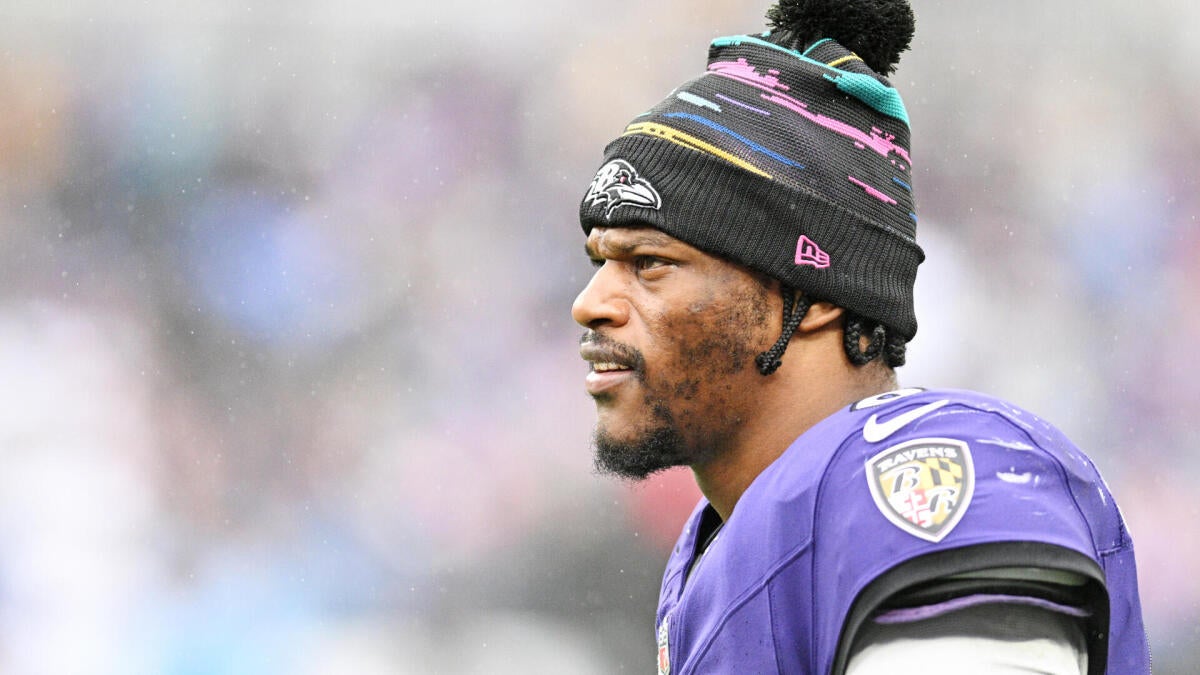
For players like Lamar Jackson, the stakes are complicated. As one of the few Black quarterbacks in a position that historically excludes them, his health isn't just a personal concern. It's a narrative that's often loaded with racial undertones, where every injury is scrutinized, and every recovery is expected to be swift and miraculous. The pressure on Jackson is immense, not only to perform but to represent a broader fight for inclusion and respect within the league. This is more than about physical resilience; it's about the mental fortitude required to carry those expectations, to rise above the whispers of doubt and the weight of history. His journey serves as a microcosm of the challenges faced by Black athletes who must continuously prove their worth in spaces that have historically marginalized them.
From an industry perspective, this rash of injuries forces a hard look at the NFL's priorities. The league's expansion to 17 games was aimed at increasing revenue, but at what cost? Player health seems to be the collateral damage in a deal where the dollar takes precedence over wellbeing. The sport's grueling demands are pushing players to their limits, and as injuries pile up, there are murmurs of discontent among players, hinting at a potential reckoning if the league doesn’t recalibrate its focus. The voices calling for change are growing louder, questioning whether the league's current trajectory is sustainable and advocating for reforms that genuinely prioritize player safety over profit margins. The future of the sport may well hinge on how the NFL responds to this critical juncture.
For the community watching, these injuries are a stark reminder of the physical and emotional toll Black athletes endure to carve out their space in professional sports. Their bodies become battlegrounds where systemic pressures play out, often leaving them with shortened careers and long-lasting injuries that defy the glamour of the game. It's a vivid commentary on how Black excellence is sought after but not always adequately protected, as athletes are celebrated for their prowess yet left vulnerable to the unchecked demands of the sport. This duality highlights the need for a more comprehensive approach to player welfare, one that doesn't just focus on immediate recovery but also considers the long-term health and wellbeing of the athletes who give everything to the game.
Beneath the headlines lies a deeper story of race, class, and economics. Black athletes often rise from economically disadvantaged backgrounds, their sports careers providing a path to financial stability and a chance to uplift their communities. However, the pressure to perform, especially in a predominantly white league, adds layers of complexity that are often ignored. The demands of the game place them at a higher risk, yet the support systems to aid recovery and long-term health are lacking. This disparity shows a broader societal issue where athletes are expected to deliver extraordinary performances while handling systemic challenges that extend beyond the field. It calls for a reevaluation of how the league and its stakeholders can better support these athletes, not just as players, but as individuals with lives beyond the game.
As the NFL gazes into the mirror, the reflection isn’t just about the glitz and glamour of the game. It's about acknowledging the human stories behind the helmets. The league needs to take proactive steps to safeguard its players, focusing on health protocols that genuinely prioritize their well-being. Fans, meanwhile, are left wondering if this season will force a change or simply become another chapter in the ongoing saga of player exploitation. The hope is for a future where players aren't just a means to an end but the heart of the game. Will the NFL listen, or will the echoes of the past be its only guide?