LeBron James in a 76ers Jersey: What This Means for Sports and Culture
By Andre Coleman, PowerVault Staff Under the bright lights of Xfinity Mobile Arena in Philadelphia, LeBron James stood with a confidence that only a seasoned veteran can muster. The jersey he wore bore the iconic red,...
By Andre Coleman, PowerVault Staff
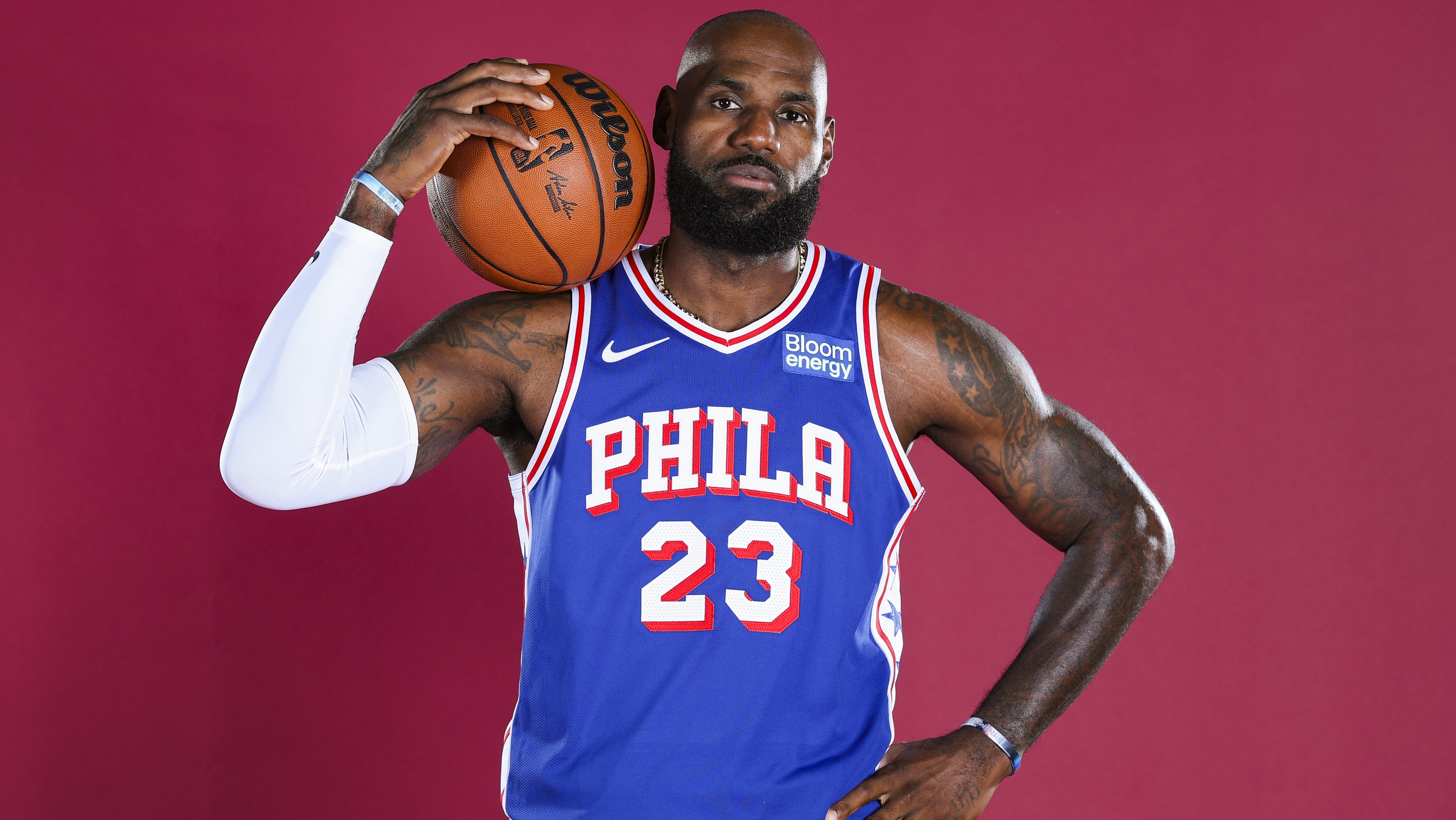
Under the bright lights of Xfinity Mobile Arena in Philadelphia, LeBron James stood with a confidence that only a seasoned veteran can muster. The jersey he wore bore the iconic red, white, and blue of the Philadelphia 76ers, a sight that seemed almost surreal. For fans and reporters alike, this moment was not just another celebrity photo op, it was the culmination of a quarter-century story involving sportswear, cultural influence, and economic muscle.
LeBron's unexpected appearance in a 76ers jersey had less to do with a potential team swap and more with a business deal that echoes a larger narrative in the sports industry. The very arena that hosted his bold new look is a testament to the changing tides of athlete influence, where brand collaborations are as significant as on-court performances. This isn't about a new uniform; it's about power, equity, and history.
For those unfamiliar with the sportswear backstory, Mitchell & Ness, a renowned sportswear brand, is at the heart of this drama. Since Jay-Z and a star-studded group of NBA elites, including LeBron, Kevin Durant, and James Harden, joined forces as part of the brand's ownership, Mitchell & Ness has become symbolic of athlete empowerment. You can learn more about that ownership group here.
This maneuver isn't just about selling jerseys; it's about rewriting the playbook on how Black athletes leverage their marketability and legacy. Sportswear has long been tied to identity and cultural expression, particularly within the Black community. By taking ownership stakes in brands like Mitchell & Ness, athletes aren't just lending their names, they're investing in a vision of representation and generational wealth.
The excitement around LeBron's appearance in Philly was infectious. Take a look at the energy-packed intro in the video below, capturing the buzz that surrounded this moment.
LeBron has always been more than a basketball player. From his early days, he has been conscious of the platform he has, not only to influence young fans but to create substantial change. This deal with Mitchell & Ness is an extension of his ongoing commitment to breaking barriers and setting new standards. For a community that often sees itself left out of boardroom discussions, this is a chance to rewrite the narrative.
LeBron's jersey moment is a reminder that success is not just measured in trophies but in the ability to alter the power dynamics in spaces historically denied to us.
In a sports industry that is predominantly white, ownership and decision-making roles are paramount battlegrounds. For decades, Black athletes excelled on the field but were often sidelined when it came to the business of sports. This Mitchell & Ness partnership signals a shift towards inclusivity where athletes can be both the face and the mind behind brand decisions.
Consider how this move resonates with broader cultural shifts. The rise of athlete-owned brands and partnerships says a lot about a new era where athletes are not solely entertainers but entrepreneurs with a stake in their economic futures. This goes beyond sales figures; it's about cultivating influence that extends past careers and into legacies.
This is not the first time sportswear has intersected with culture. In the late '90s, brands like Nike and Adidas began to weave their identities into the fabric of hip-hop and street culture. But where previous collaborations were often transactional, today's athlete-brand partnerships are increasingly strategic and equitable.
LeBron in a 76ers jersey might have once been a far-fetched fantasy for NBA fans. Yet, the image now serves as a symbol of something much larger, a blueprint for how Black athletes are taking their destinies into their own hands. The video below examines the intricacies of these athlete-brand relationships.
The broader implications for the community are profound. Here, athletes and fans alike witness a model of success that is rooted in ownership and collaboration, not just endorsement. This empowers not only current players but also future generations who see new paths to influence and prosperity.
As LeBron continues to defy expectations on and off the court, his ventures raise questions about the traditional structures within sports. Will more athletes follow suit? Will this lead to more diverse boardrooms and executive decisions? The post below captures some of the reactions and discussions this historic day has sparked among fans.
Looking ahead, the challenge remains to sustain and expand these gains. It's important to ensure that these moments of ownership translate into long-term impact. As James and his contemporaries forge these new paths, they challenge the industry to rethink who controls the narrative in sports and beyond.
LeBron's jersey moment is not just a statement; it's an invitation for a closer examination of what success means in today's sports world. As the game evolves, so too must our understanding of influence and power. The road ahead is promising, and it beckons those willing to take the leap.