Yolanda Thomas: What Her NWSL Hire Must Change Next
By Tanya Brooks, PowerVault Staff Yolanda Thomas is the first Black woman permanently appointed as an NWSL head coach, taking charge of the Orlando Pride after serving as interim. The distinction matters. So does the...
Advertisement

By Tanya Brooks, PowerVault Staff
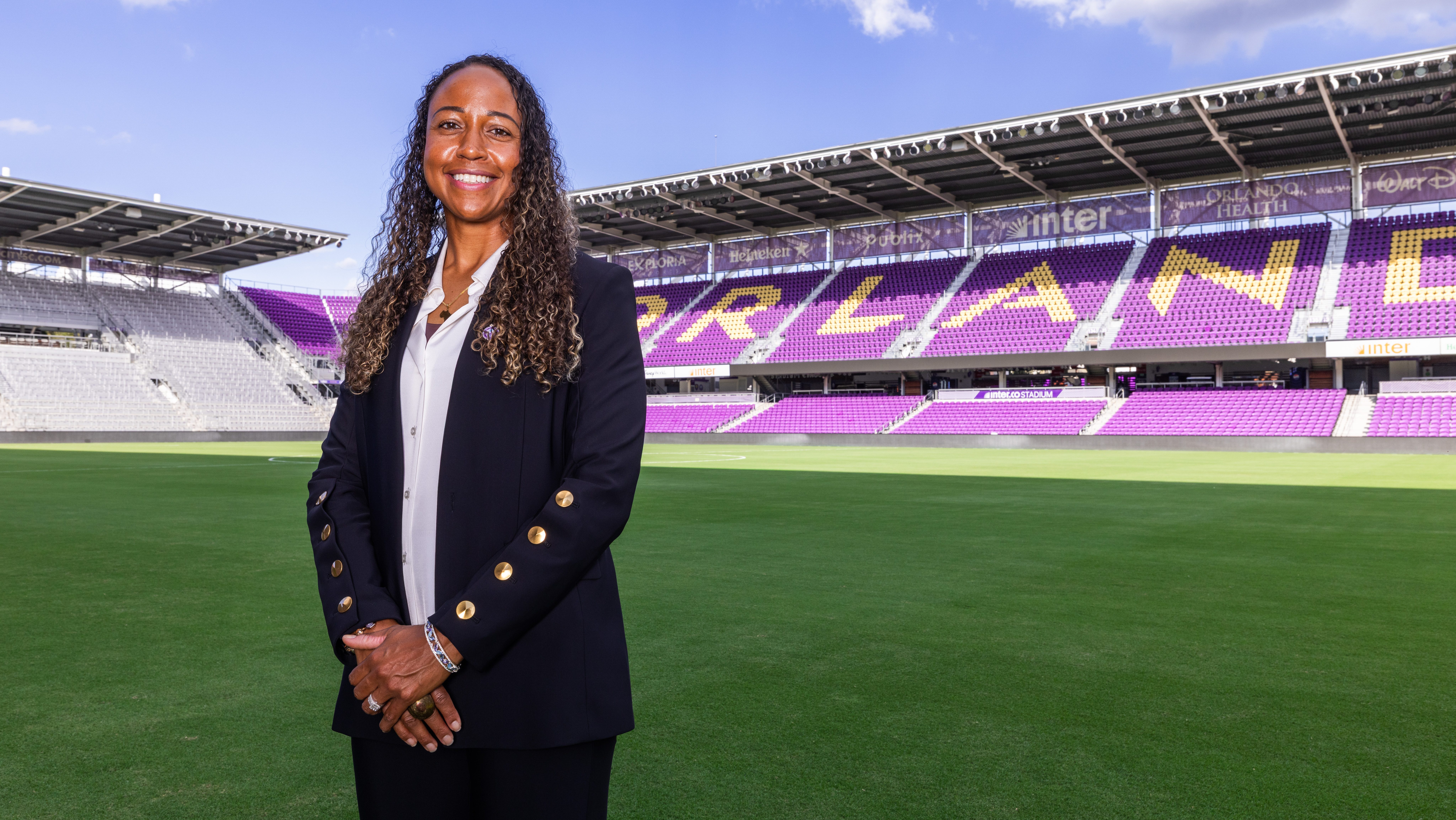
Yolanda Thomas is the first Black woman permanently appointed as an NWSL head coach, taking charge of the Orlando Pride after serving as interim. The distinction matters. So does the assignment underneath it. Orlando is handing her a team whose recent history includes winning both the 2024 Shield and championship. She helped build that success as an assistant. Now she gets the authority, and the responsibility, attached to the top job. Making history does not suspend the competitive expectations she helped create. The celebration should be loud. The scrutiny should reach beyond her touchline, straight into the offices deciding how much support comes with this historic promotion.
According to Andscape’s reporting on Thomas’ appointment, the Pride named her permanent head coach Thursday after she replaced Seb Hines on an interim basis in August. She joined Orlando’s staff in 2023. That makes her an internal promotion with direct knowledge of the players, the working environment and the club’s championship expectations. Nobody needs to pretend she arrived carrying only symbolism. Her résumé already includes helping this organization win. Orlando has seen her work up close, through a championship season and a transition in leadership. Dropping the interim label changes her position, but it should also change how the club treats her decisions. Players need to know the person setting standards has the front office behind her.
Thomas understood the power of that kind of visible authority long before Orlando called. Playing for Sweden’s national team as a teenager, she noticed England coach Hope Powell across the pitch. Powell was Black. She also looked familiar in a more personal way. “She also happened to be light-skinned with dreadlocks, which is what I looked like at the time,” Thomas told Andscape. Seeing Powell made coaching feel like an actual career, rather than a possibility reserved for somebody else. “Well, I could do that,” she remembered thinking. Recognition became ambition, with a job attached. That memory explains why this appointment reaches beyond one club’s staffing decision. The video below accompanies a story about who gets seen as a leader.
That question of leadership runs through Thomas’ own development. She was a two-time conference player of the year at Oklahoma State and earned three All American selections before an injury redirected her playing ambitions. Coaching became a profession she pursued, not a consolation prize she stumbled into. Her stops included Oklahoma State, Tulsa and Rogers State in Oklahoma, followed by leadership work with women’s clubs in the state. She developed players, helped build programs and earned conference coach of the year recognition. Those jobs rarely command national attention. They still require teaching, recruiting, solving problems and persuading people to trust a plan before results arrive. The professional appointment makes that experience more visible; it does not suddenly make the experience valuable.
Thomas, 42, put a number on the preparation behind this opportunity. “So, in full honesty, I’ve been preparing for this for a decade,” she told Andscape. Her upbringing adds another dimension without needing to become a tidy explanation for every coaching choice. She and four sisters grew up in Sweden, raised by a Swedish mother and Kenyan father. Family visits exposed her to Kenya and other places around the world. That background matters in a profession built around communicating across differences. Players do not all arrive with the same assumptions about belonging, authority or what being understood looks like. It does not replace tactical knowledge or player development. The next video accompanies that broader story of preparation, identity and opportunity.
The history surrounding this appointment reaches further than either accompanying video. Powell became England’s women’s manager in 1998, breaking barriers of race, gender and age in that job. A year later, Briana Scurry helped the United States win the Women’s World Cup, giving Black girls an unmistakable image of excellence in goal. Those breakthroughs happened before the NWSL began play in 2013. Yet the league’s first permanent Black woman head coach is only now arriving. The gap matters because visibility on the field does not automatically produce authority beside it. Soccer can celebrate Black players and still move slowly when Black women seek control over tactics, staffing and development. Applauding the athlete requires less institutional change than trusting her to direct the operation and judge other people's talent. The achievement exposes that separation rather than erasing it.
The real test is whether Orlando gives Thomas room to coach, not merely room to represent.
A historic hire should expand the room, not turn one woman into its entire diversity department.
For Thomas personally, permanence should mean freedom to make choices that are hers. An assistant helps execute someone else’s vision. An interim coach works under an unresolved question about tomorrow. A permanent head coach needs permission to build, correct mistakes and challenge established habits. That includes making unpopular lineup decisions without every disagreement becoming a referendum on whether this historic appointment was justified. She should face serious football criticism. Protecting her from analysis would diminish the job she earned. But demanding instant perfection would do something worse: turn a professional opportunity into a test nobody else has to pass. One difficult stretch cannot reasonably become evidence against an entire category of future candidates. Her work deserves evaluation over time, with expectations tied to the resources Orlando actually supplies.
For the industry, the lesson cannot stop at congratulating the Pride. Who gets interviewed before a vacancy becomes public? Which assistants receive responsibility that prepares them to lead? Who gets recommended when an owner asks for a trusted name? Those decisions help determine the candidate pool long before an announcement. Familiarity can masquerade as merit when the same networks keep supplying the names. A historic hire should expand the room, not turn one woman into its entire diversity department. PVN’s coverage of Skylar Diggins and the power held by college coaches points toward a related issue: authority shapes careers as surely as talent does. Clubs serious about opportunity should examine how they distribute responsibility, access and endorsements. Waiting for another exceptional résumé is not a hiring strategy.
For Black families watching, there is genuine joy here, and no reason to ration it. A girl who loves soccer can now point to Thomas when somebody asks what comes after playing. Coaching becomes a concrete profession with a visible destination. Thomas said her wish extends to people imagining leadership even outside professional soccer. Still, representation works best when adults explain the work behind the picture. Thomas spent years teaching players and building programs before this announcement. Young people deserve access to those skills, not simply encouragement to dream bigger. That means affordable coaching education, introductions to working coaches and chances to lead teams. The useful question for supporters is practical: what can their local club do to make the next girl’s path less dependent on luck?
Money belongs in this conversation even though the supplied reporting does not disclose Thomas’ salary, contract length or staffing budget. Those missing details prevent any honest claim that Orlando has guaranteed her lasting security. They also identify what deserves scrutiny next. A title cannot compensate for inadequate staff, limited development resources or weak backing when results dip. Coaching pathways carry class barriers, too: credentials, travel and modest early wages can make persistence expensive. A decade of preparation also raises a practical question: who can afford to stay available long enough for the opening? The distinction between earning a role and receiving enough support to succeed also runs through PVN’s coverage of Shedeur Sanders’ pursuit of the Browns’ starting job. Different positions, same need to examine conditions alongside performance.
Advertisement
Next comes the part no announcement can settle: how Thomas leads and how Orlando responds when decisions get difficult. Watch the staffing choices, the player development and the consistency of the front office’s public backing. Judge the soccer, too. Championship standards are real, and Thomas helped establish them. Elsewhere, watch whether other clubs broaden their searches or treat Orlando’s appointment as permission to declare the problem solved. Powell once made a young Thomas see a future she had not pictured. Thomas now offers that possibility to another generation. The next breakthrough should not require another woman to spend a decade proving the door belongs open.
More from PowerVault Network: