Modou Ngom Sentenced: A Crash That Killed a Family and Exposed Systemic Flaws
By Tanya Brooks, PowerVault Staff Modou Ngom, a truck driver from Ohio, has been sentenced to 22 and a half years in prison following a devastating crash that resulted in the deaths of an entire family. The victims we...
Advertisement

By Tanya Brooks, PowerVault Staff
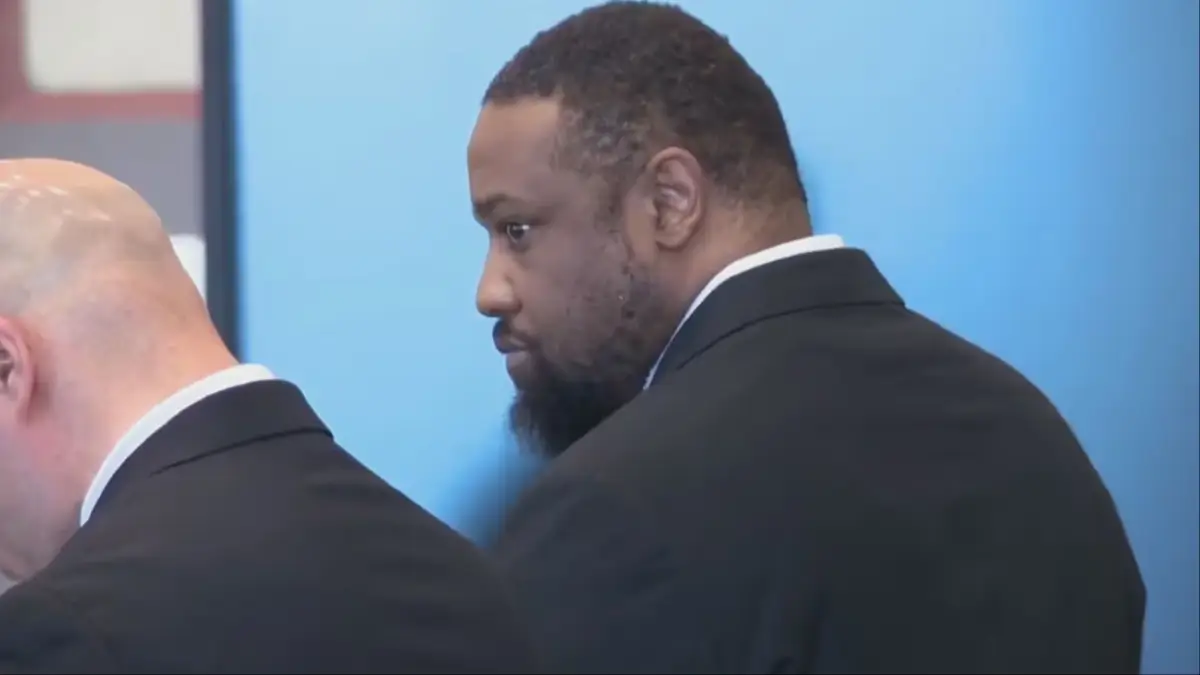
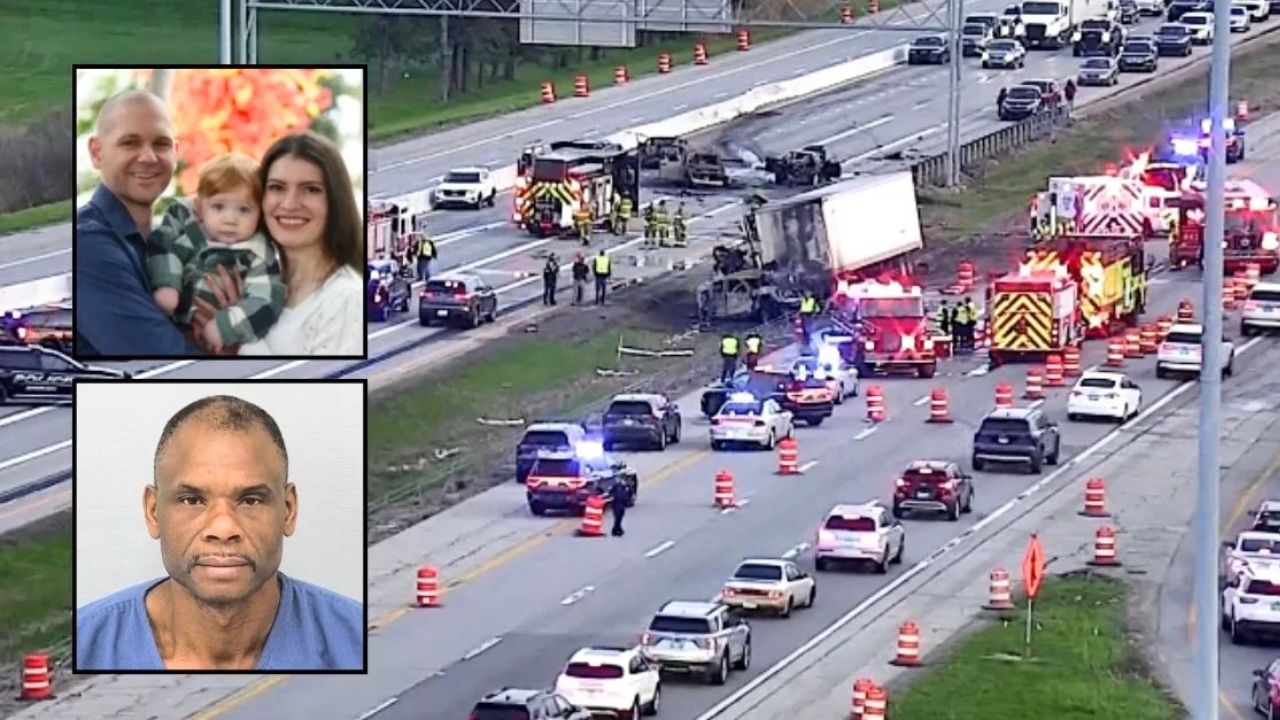
Modou Ngom, a truck driver from Ohio, has been sentenced to 22 and a half years in prison following a devastating crash that resulted in the deaths of an entire family. The victims were 37-year-old Luke Soposki, his 36-year-old wife Lynnea, and their 1-year-old son, Logan. This tragedy occurred on April 11 when Ngom, distracted by a tablet device, drove his semi-truck into multiple vehicles on a congested Interstate 71, just north of Columbus. The crash highlights the severe and often fatal consequences of distracted driving, particularly when operating large commercial vehicles on busy highways. The Soposki family's sudden and tragic loss has left a deep void in their community, underscoring the need for stricter enforcement of distracted driving laws.
According to the Delaware County Prosecutor's Office, Ngom was convicted on three counts of aggravated vehicular homicide and five counts of vehicular assault. The crash's impact was catastrophic, not only claiming the lives of the Soposki family but also leaving five other individuals with severe injuries. Local news outlets, including NBC4, have reported on the sheer recklessness of Ngom's actions, noting that he continued to drive at high speed despite the obvious traffic congestion ahead. This negligence shows the dangers posed by distracted driving, particularly when drivers are operating large commercial vehicles that require constant attention and control. The case has served as a grim reminder of the potential for disaster when drivers are not fully focused on the road.
The chain-reaction crash involved nine vehicles in total, creating a scene of chaos and destruction on the highway. Traffic surveillance footage captured the horrifying moment when Ngom's semi-truck plowed into the vehicles ahead of him, showing the immediate and violent impact. At least one vehicle erupted into flames as a result of the collision, a stark visual testament to the severity of the crash. This footage served as compelling evidence during the trial, illustrating the direct consequences of Ngom's distracted driving. The video not only provided a clear account of the event's sequence but also highlighted the potential dangers that inattentive driving poses to all road users.
Beyond the criminal proceedings, Ngom is facing civil lawsuits from the families affected by the crash. The estate of the Soposki family has initiated a wrongful death lawsuit, seeking justice for the loss of their loved ones. Additionally, a survivor of the crash has filed a separate lawsuit, highlighting the severe and lasting injuries inflicted by the incident. These legal actions show the prolonged and far-reaching impact of Ngom's negligence, as families continue to grapple with the emotional and physical aftermath. The civil cases aim to hold Ngom accountable for the extensive harm caused, while also drawing attention to the broader issue of distracted driving and its devastating consequences.
Judge Marianne Hemmeter, who oversaw Ngom's trial, delivered a scathing rebuke during the sentencing, emphasizing the gravity of his actions in erasing an entire family from existence. Her words painted a vivid picture of the irreparable harm caused by the crash, underscoring the preventable nature of the tragedy. The courtroom heard poignant victim impact statements, including one from Lynnea Soposki's brother, who highlighted the senselessness of the family's loss. These statements served as a powerful reminder of the human cost of distracted driving, calling for greater awareness and accountability to ensure that such preventable tragedies do not occur in the future.
Distracted driving continues to be a significant and growing concern across the United States, with numerous high-profile cases highlighting the deadly consequences. In 2017, a similar tragedy unfolded when a Texas church bus was struck by a truck driver who was using his phone, resulting in 13 fatalities. These incidents show the urgent need for more effective laws and enforcement strategies aimed at curbing distracted driving. Despite existing regulations, the frequency of such incidents suggests that current measures may be insufficient. There is a pressing need to reevaluate and strengthen policies to prevent distracted driving, ensuring that drivers remain focused on the road to safeguard public safety.
The sentence handed down to Ngom is a reminder of the judicial system's responsibility to deliver justice, yet it also highlights the gap between punishment and prevention.
This tragedy lays bare the dangers of distracted driving and the systemic issues that allow such behavior to persist.
The tragic crash involving Ngom shows the inherent dangers of distracted driving and the systemic challenges that allow such behavior to persist. In today's digital age, devices like tablets and smartphones have become pervasive, often serving as deadly distractions for drivers. However, the legal framework has struggled to adapt to these technological advancements, leaving gaps in enforcement and accountability. This case highlights the pressing need for policymakers to address these challenges, developing comprehensive strategies that keep pace with the evolving scene of driver distractions. By doing so, we can work towards preventing future tragedies and enhancing road safety for all.
This incident serves as a crucial wake-up call for the trucking industry, highlighting the need for more stringent regulations and improved training programs to prevent similar catastrophes. With the operation of large commercial vehicles comes significant responsibility, requiring drivers to maintain unwavering attention at all times. Industry leaders and legislators must collaborate to develop comprehensive solutions that address the root causes of driver distraction, including the integration of advanced safety technologies and stricter enforcement of existing laws. By taking proactive measures, the trucking industry can work towards reducing the risk of similar tragedies, ensuring safer roadways for all users.
For the community, the deaths of the Soposki family are a profound loss that extends beyond mere statistics. Their tragic fate resonates with the broader societal imperative for heightened awareness and advocacy around road safety. Earlier this year, Angel Reese highlighted significant cultural shifts within her field, underscoring the potential for transformative change. Similarly, there is an urgent need for a cultural shift in how we perceive and prioritize driving safety. By fostering a collective commitment to safe driving practices and holding drivers accountable, we can work towards preventing future tragedies and honoring the memory of those lost in preventable accidents.
Advertisement
A deeper examination of the dynamics at play reveals how race and class contribute to systemic inequities in driver safety and accountability. Distracted driving disproportionately affects communities that may already face socio-economic challenges, underscoring the need for a complicated understanding of these disparities. As we strive for equitable solutions, it is crucial to recognize how different communities are impacted by these issues, ensuring that all individuals have access to the resources and support needed to promote safe driving practices. By addressing these systemic factors, we can work towards creating a more just and equitable society where road safety is a universal priority.
Following Ngom's sentencing, attention now turns to the pending civil lawsuits, which are scheduled to continue on December 18. These cases will delve further into Ngom's responsibility and the broader implications of his actions. Continued community advocacy and heightened awareness of the lethal consequences of distracted driving are essential to prevent similar tragedies in the future. While the sentencing provides a measure of justice for the Soposki family, the ultimate goal is to prevent future losses by fostering a culture of road safety and accountability. By doing so, we honor the memory of those lost and work towards a safer future for all.