Love & Hip Hop: What The Final Chapter Owes Its Stars
By DeShawn Price, PowerVault Staff Love & Hip Hop: The Final Chapter celebrates 15 years with a six part retrospective announced for VH1, BET and MTV. The bigger test is whether that farewell gives its stars more than...
Advertisement

By DeShawn Price, PowerVault Staff
Love & Hip Hop: The Final Chapter celebrates 15 years with a six part retrospective announced for VH1, BET and MTV. The bigger test is whether that farewell gives its stars more than another replay of their hardest moments.
An October 22 announcement scheduled the VH1 original to premiere November 10, 2026, at 8 p.m. ET, with weekly episodes across all three networks. The release promises interviews with cast members, producers, executives, journalists and cultural commentators. That lineup creates room for something meatier than a greatest hits package with dramatic music.
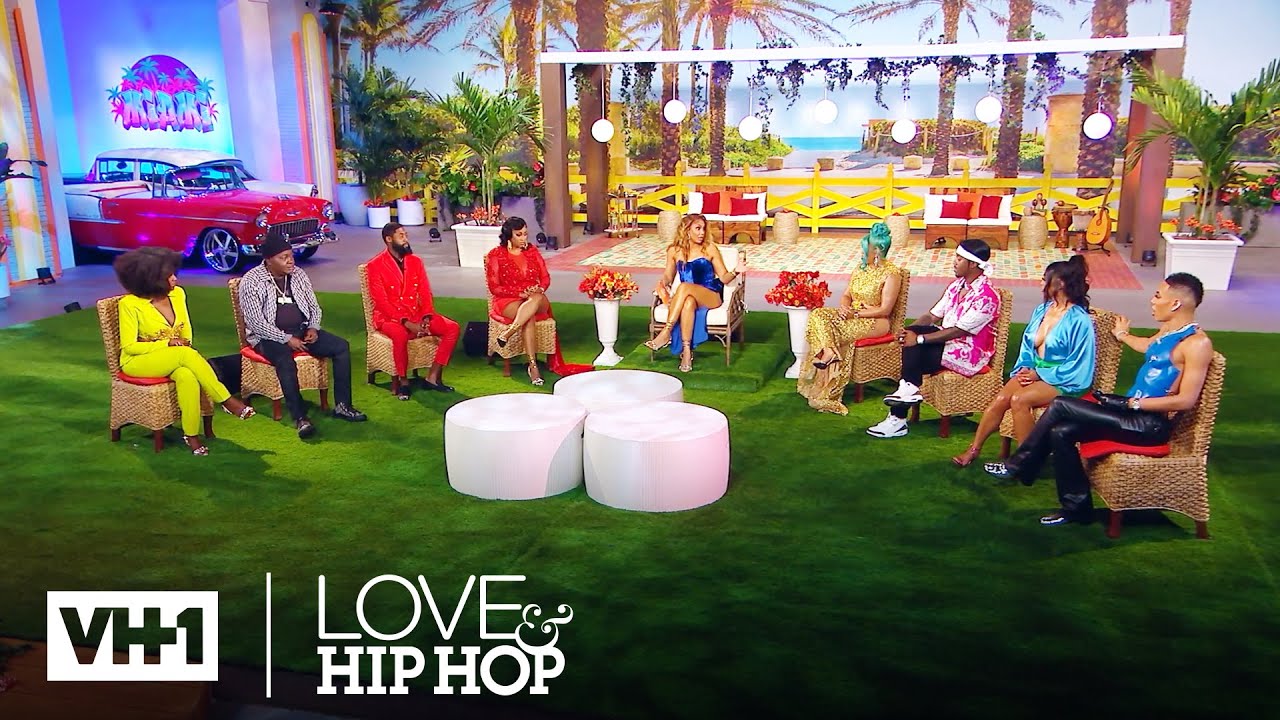
The announced cast includes Stevie J, Joseline Hernandez, Yandy Smith, Mimi Faust, Rasheeda Frost and Trick Daddy. Safaree Samuels, Trina, Ray J, Scrappy and Yung Joc also appear on the interview roster. Those names bring different relationships to the franchise, which should make a single, tidy verdict difficult. The first accompanying video appears below.
Their inclusion gives the series voices outside the returning cast. The announcement promises “new perspectives on the stories behind them,” a useful standard for viewers to remember. Familiar faces alone cannot deliver fresh insight.
The retrospective covers New York, Atlanta, Hollywood and Miami, the franchise's four cities. Love & Hip Hop debuted in 2011, bringing music careers, relationships, ambition and fame into the same frame. Four cities deserve more than one blended memory of who argued with whom. Another accompanying video follows below.
Beyond the accompanying videos, the production credits deserve attention. Antoinette Media produces the series, with Lashan Browning among its executive producers. Julie Ha serves as executive producer for MTV Entertainment Studios. Producers and executives also appear among the interview subjects. That makes their decisions a fair topic for examination, not merely background information.
PVN's take: a retrospective becomes more valuable when the people who shaped the television explain their choices. Which kinds of stories did they believe deserved space? How did they weigh music, business, relationships and confrontation? These are questions for the series, not claims about undisclosed production practices. The cameras had people behind them, too.
A cast member can deserve flowers without owing viewers permanent access to their pain.
The returning stars deserve room to explain what those years mean now, rather than simply defend an old scene again. A cast member can deserve flowers without owing viewers permanent access to their pain. Accountability still belongs in the conversation. So does the possibility that someone's most replayed moment no longer tells viewers much about their present life.
For a Black audience, the representation question deserves its own seat at the reunion. Black women should not have to be flawless to receive a full portrait. Neither should conflict become the default measure of their entertainment value. PVN wants a farewell that holds ambition, humor, work and love beside the confrontations, without pretending those confrontations never happened.
Viewers have responsibilities here, too. Buying into a television story does not purchase access to every person connected to it. PVN's coverage of Cardi B calling out criticism of her son Grey offers a related discussion about audience boundaries. Critiquing a public performance and treating a family as public property are different choices.
The announcement also credits the franchise with launching careers and helping build household names. A strong retrospective should make those broad claims specific through its interviews. What did participants learn about turning visibility into work? Which achievements do they want remembered? Giving flowers means naming the work, not just running an applause montage.
The weekly simulcast makes this more than a farewell tucked onto one channel's schedule. VH1, BET and MTV are giving the same six episodes shared space. Editorially, that invites a fair challenge: does the program address the different audiences being invited to watch? A longtime viewer and someone meeting these personalities now should both leave knowing more.
There are limits to what the announcement establishes. It does not provide individual contracts, compensation figures or detailed accounts of editorial control. Claims about who was underpaid, who controlled a storyline or why someone returned would require additional reporting. Familiarity with reality television is not a receipt, and a confident group chat theory still needs evidence.
That distinction matters when discussing relationships, too. PVN's coverage of Rihanna addressing rumored friction with EJ Johnson offers another entry point into separating speculation from someone's own account. For this retrospective, viewers should distinguish a participant's recollection from an independently established fact. Neither a dramatic edit nor a polished interview settles every disputed detail.
The title invites a farewell reading, but the supplied announcement does not explain every practical consequence of calling this The Final Chapter. It establishes a six part limited series and its planned schedule. It does not supply a detailed roadmap for every cast member or any future use of the franchise. A closing title is not permission to invent what comes afterward.
Advertisement
The remaining conversation should focus on what the interviews actually add: clearer accounts, specific achievements and honest reflection from both talent and decision makers. Nostalgia can get viewers through the door. The challenge is to leave them seeing these people as more than the moment everyone remembers. Give the stars their flowers, then let them grow beyond the rerun.
More from PowerVault Network: