
Mark Robinson Files for Chapter 13 Bankruptcy Protection
By Tanya Brooks, PowerVault Staff Mark Robinson has filed for Chapter 13 bankruptcy protection, putting the former North Carolina lieutenant governor’s finances back under public scrutiny. The news arrives after a fai...
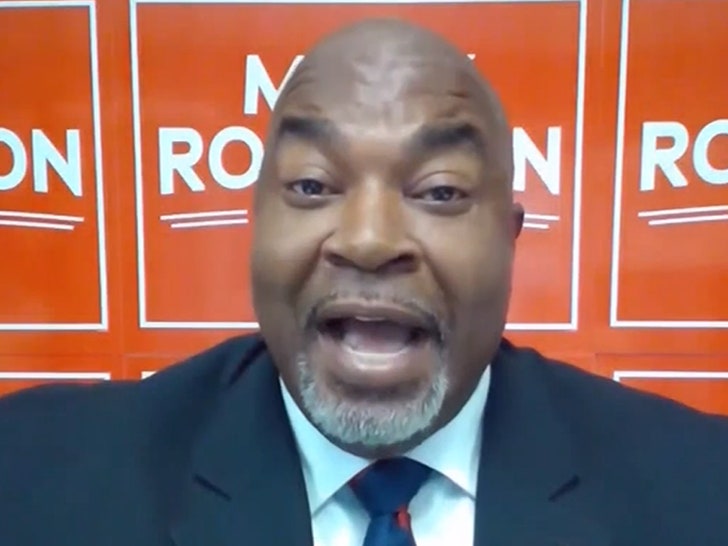
Advertisement

By Tanya Brooks, PowerVault Staff
Mark Robinson has filed for Chapter 13 bankruptcy protection, putting the former North Carolina lieutenant governor’s finances back under public scrutiny. The news arrives after a failed 2024 campaign for governor and a controversy over racist online comments attributed to him, which he denied making. That combination practically invites a victory lap from his critics. But hold the confetti. Bankruptcy is a legal process, not a character verdict. Disliking the politician does not make every theory about his finances a receipt. The sharper conversation concerns what Robinson owes creditors, what he owes the public, and why those are separate accounts. A court can oversee one. Voters have to reckon with the other.
PowerVault’s report on Robinson’s bankruptcy filing identifies the case as Chapter 13. The information supplied for this article does not establish his current debt total, creditor list, proposed monthly payment or filing date. Those details matter before anybody starts explaining how he got here. There is no responsible shortcut from a bankruptcy headline to claims about hidden money, unpaid campaign expenses or personal spending. None of those explanations follows automatically from the filing. A viral caption can suggest a motive in seconds; establishing one takes evidence the caption cannot supply. Readers deserve that boundary up front, especially when a politician’s existing reputation makes almost any negative claim about him sound believable. Familiarity with a scandal is not verification of the next allegation.
Chapter 13 generally allows people with regular income to propose repayment plans lasting three to five years, according to the U.S. Courts’ bankruptcy guide. Unlike Chapter 7, it ordinarily does not center on liquidating nonexempt property. A debtor may retain property while making payments under a court approved plan. Filing also generally triggers an automatic stay that pauses many collection actions, although exceptions apply. Translation: protection does not mean every bill disappears. Nor does filing establish that a judge has approved a repayment proposal. The paperwork starts a process with requirements, deadlines and oversight. Calling it an instant financial escape hatch would sell readers a version the law does not promise.
The controversy attached to Robinson’s name comes from CNN’s September 19, 2024, investigation. CNN attributed online message board posts to him, including one describing the writer as a “black NAZI!” Robinson rejected the attribution, saying, “These are not my words,” in his response to the reporting. Both the reported language and his denial belong in the record. For Black readers, that reported language carries a particular sting, and precision matters more, not less. That attribution cannot quietly disappear because a newer headline concerns money. Equally, the bankruptcy filing does not independently authenticate those posts. Two damaging stories can concern the same person without one serving as evidence for the other. Keeping that distinction intact is basic reporting, not a favor to Robinson.
Robinson became North Carolina’s first Black lieutenant governor after winning election in 2020. Four years later, he was the Republican nominee for governor and lost to Democrat Josh Stein. That makes this a story about someone who held statewide power, not merely a former candidate experiencing private financial trouble. His public record remains fair territory for scrutiny. His bankruptcy still requires its own evidence. The petition, financial schedules, proposed plan and subsequent court decisions would provide a firmer basis for assessing the case. Until those records support specific conclusions, claims about what caused his financial position should stay out of the copy. A recognizable name does not lower the reporting standard.
Bankruptcy has long carried a moral stigma that American law does not apply consistently. Congress passed the Bankruptcy Abuse Prevention and Consumer Protection Act in 2005, tightening requirements for consumer debtors. Then the 2008 financial crisis pushed household distress into the center of national politics, alongside extraordinary government support for financial institutions. Those events were different legal stories, but they exposed a familiar divide in public sympathy. Institutions get discussions about restructuring and stability. Ordinary people get lectures about choices. Notice how quickly the vocabulary changes when the borrower has a boardroom instead of a kitchen table. That difference deserves scrutiny, too. Robinson’s filing belongs in that broader conversation without becoming proof of every argument about the economy. The useful historical lesson is narrower: Americans often judge debt through the identity and status of the person holding it.
The real test is whether accountability can stay firm without turning financial distress into entertainment.
A repayment plan can address debt; it cannot do the work of a public apology.
Robinson deserves scrutiny proportionate to the authority he sought and held. He does not need a humiliation campaign built around the mere act of seeking lawful protection. A repayment plan can address debt; it cannot do the work of a public apology. Those obligations belong in different rooms. Any future effort to rebuild his standing should confront the public record directly, rather than treating personal hardship as automatic evidence of growth. An interviewer can acknowledge financial strain and still ask the uncomfortable followup. Compassion does not require handing over the microphone unchallenged. Sympathy is not an endorsement, and a comeback is not something an audience owes a public figure. The standard should be clear answers and sustained conduct. Neither a difficult season nor a polished interview can substitute for that work.
The political publicity machine deserves its own inspection. Campaigns package biography like a product launch, choosing which struggles signal grit and which details stay offstage. Friendly interviews can turn uncomfortable questions into a redemption segment before the answers arrive. Editors should resist that arrangement, regardless of party. A moving personal account can be genuine and still leave the central questions unanswered. Book the followup, not just the closeup. PowerVault’s question about who benefits when celebrity and politics meet applies here as an editorial test: who gains from the framing? A sympathetic presentation may serve the subject, while a mocking one may serve an outlet chasing clicks. Neither necessarily serves readers. The useful coverage follows documents, identifies unanswered questions and refuses to confuse access with accountability. A good publicist should not get the final edit.
For the audience, there is a difference between rejecting someone’s politics and making debt itself the punchline. Plenty of readers know the dread of opening a bill they cannot cover. They should not have to watch a disliked politician’s bankruptcy become an argument that financial trouble proves personal worthlessness. The joke travels beyond its intended target, landing on people whose only connection to the headline is needing financial breathing room. That same discipline should guide conversations about Damon Dash and control of the Roc archives: understand the legal stakes before turning money problems into a spectator sport. The group chat can keep its wit without losing its judgment. Criticize the conduct that deserves criticism. There is no need to make every struggling person collateral damage just to land a joke.
Race adds another layer because Robinson’s historic office never made him a spokesperson for every Black household. Black achievement deserves flowers, but representation cannot function as immunity from scrutiny. Neither should one Black official’s financial distress become a verdict on Black competence. That trap is old, and the community does not need to help reset it. We can celebrate a barrier breaking without signing off on everything the person who broke it says or does. Class matters, too. Public figures may have access to lawyers, audiences and professional relationships that ordinary debtors lack. Coverage should examine those advantages when evidence supports them, without pretending they erase financial difficulty. Black readers deserve the full range of judgment: room to reject harmful politics, recognize structural inequality and refuse a demeaning stereotype at the same time.
Advertisement
Next comes the part that produces fewer punchlines: the court record. Watch for verified financial disclosures, a proposed repayment plan, creditor responses and any decision on confirmation. Those developments can establish what Robinson proposes to pay and what the court will require. Until then, readers should be wary of debt totals without documents and comeback stories without answers. The same standard belongs across party lines and celebrity circles. Financial protection should remain available without public degradation. Public accountability should remain necessary without selective amnesia. Robinson can seek relief through the courts; renewed public trust will require more than a filing.
More from PowerVault Network: