Travis Scott Sets GTA VI Plans With Beats and Pizza
By Simone Walker, PowerVault Staff Travis Scott is teasing GTA VI plans with pizza, beats and an Instagram photo that makes a gaming invitation look like premium promotion. According to the supplied report, Scott post...
Advertisement

By Simone Walker, PowerVault Staff
Travis Scott is teasing GTA VI plans with pizza, beats and an Instagram photo that makes a gaming invitation look like premium promotion. According to the supplied report, Scott posted the image Wednesday, November 11, apparently holding a boxed edition of the Rockstar Games title. “What y’all on?” he asked in the caption. The setup sounds familiar: somebody brings food, somebody brings a controller, and nobody wants to leave after losing. His invitation even includes instructions to bring your own controller. But Scott sits at the intersection of music, gaming and major brand campaigns. That makes this hangout invitation worth reading beyond the pizza order.
The supplied report, reflected in PowerVault Network’s initial coverage of Scott’s GTA VI plans, connects the post to a larger promotional push. It lists November 19 as the game’s scheduled release date and says Scott will perform at Grand Theft Auto VI: The Festival later this month. The reported venue is Mana Wynwood in Miami. Cardi B, Don Toliver, Kodak Black and Justice also appear on the reported lineup. That puts Scott’s casual invitation beside an organized entertainment rollout. The timing gives fans something to discuss before release and somewhere to gather afterward, extending the conversation beyond launch day. The distinction matters: fans are seeing both a personal post and a much bigger commercial event.
The photograph needs a careful read before anybody crowns Scott the first person playing. The source describes him as seemingly holding a boxed version containing a download code, rather than confirming a playable disc. Packaging alone does not establish early access. Neither does a celebrity standing next to it. His caption supplies the mood, not proof that he has loaded the game. “Tryna lock in,” Scott wrote in the post. A familiar face can make speculation travel faster, but the standard for confirmation should stay exactly where it was. The supplied material does not establish a paid arrangement for that specific upload, either. A promotional connection and a disclosed sponsorship are different facts. Coverage should not quietly swap one for the other.
Preloading adds another wrinkle. The report says downloads began this week and describes a Rockstar teaser soundtracked by Tove Lo. A preload lets eligible buyers download files before release; it does not automatically mean the game is unlocked. Having the download ready and having permission to start playing are separate steps, however impatient the group chat gets. Fans should check Rockstar’s official GTA VI information and their platform’s listing for current release and access details. The supplied account does not establish Scott’s edition, platform or access permissions. Those gaps deserve plain language, not detective work dressed up as confirmation. A box in a photo can fuel conversation. It cannot answer every question about what somebody can actually play.
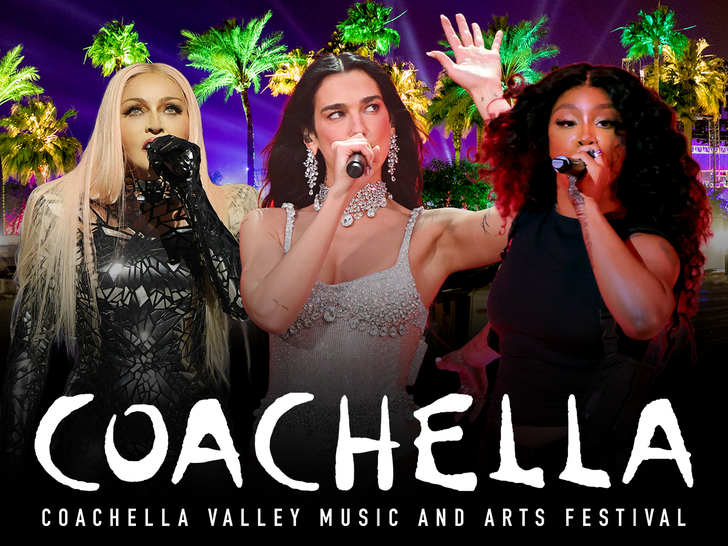
The festival gives the rollout a second gathering place beyond the console. According to the source, Rockstar representatives describe “two stages of nonstop music.” That is a meaningful shift from asking fans to watch an advertisement: the promotion itself becomes an event people might want to attend. Concert footage and audience reactions can keep that branding circulating well beyond the venue, too. Still, a performance booking does not establish a soundtrack placement, an appearance inside the game or a creative partnership. Scott’s beats reference confirms none of those possibilities. Neither does Cardi B’s reported festival billing. Readers following PVN’s coverage of the Coachella 2027 lineup reveal know how quickly names on a poster become their own news cycle.
Scott has worked this intersection before. His Astronomical event inside Fortnite in April 2020 turned a performance into an experience built for players rather than a concert filmed from the crowd. GTA also has a long relationship with Black music and storytelling. Grand Theft Auto: San Andreas arrived in 2004 with Radio Los Santos and Young Maylay voicing lead character Carl Johnson. Grand Theft Auto V followed in 2013 with Shawn Fonteno voicing Franklin Clinton. These connections predate the current celebrity rollout. Black artists helped make these virtual worlds sound and feel memorable. A voice performance gives a character personality; a radio station can make a fictional neighborhood feel connected to a recognizable musical history. That is creative labor, not background decoration. Their contribution belongs in the discussion whenever a game markets its cultural credibility through music.
The real question is who gets lasting value after the launch party ends.
Black fans should never have to prove their loyalty by spending money they need for something else.
For Scott, the invitation works because it sells proximity without requiring actual access to him. Fans can recreate the pizza, the music and the gaming session at home. That makes the post feel more reachable than a luxury campaign, even though the celebrity relationship remains distant. Give him credit for understanding that appeal. The smartest detail is how little explanation the idea needs. Nobody has to study a campaign slogan to understand game night. Even the request to bring a controller sounds like something a friend would text, not a polished corporate announcement. But familiarity should not make audiences forget the business context. Scott can genuinely enjoy gaming while also benefiting professionally from being attached to a heavily anticipated release. Those realities can comfortably share a couch.
For the industry, this is the appeal of joining music promotion to gaming. A song might enter through a trailer, a performer through a festival, and a celebrity through a casual social post. Each connection reaches people who might ignore a conventional advertisement. The harder question concerns what artists receive beyond visibility. A festival fee, music license and broader endorsement agreement involve different rights and responsibilities. Approval over how a song gets used matters differently from being paid to perform it onstage for one evening. The supplied report does not disclose those terms, so nobody outside the deal should invent them. Still, audiences can demand better questions from coverage. Which contributions earn payment? Who retains ownership? Does the relationship give artists meaningful creative input, or mainly borrow their audience?
For fans, the best part of Scott’s pitch needs no celebrity approval: making time to enjoy something together. Black gamers deserve coverage that recognizes friendship, skill and ordinary fun, not only spending power. That includes women whose place in gaming still gets treated as a surprise. Nobody needs to pass a trivia exam before getting handed the controller, either. There is room to celebrate a shared release without turning every purchase into a test of belonging. Black fans should never have to prove their loyalty by spending money they need for something else. A favorite artist can supply excitement without supplying financial instructions. The group chat can organize a perfectly good night around whoever already owns the necessary setup. Nobody owes a rollout a receipt.
The money question also reaches beyond individual budgets. Black performers often provide the music, language and recognition that help entertainment companies connect with young audiences. Yet a prominent face on a campaign tells readers little about who controls the project or shares its long term upside. Performance work deserves respect and payment; ownership deserves attention, too. Coverage should ask about both without pretending every artist needs the same deal. Scott’s scale gives him leverage that an emerging producer may not have. That difference matters when celebrating opportunity. A headliner getting the spotlight should also invite curiosity about the writers, producers and other collaborators working outside it. Applaud Black talent getting booked, then keep watching whether less visible contributors receive credit, fair terms and a chance to build something lasting.
Advertisement
Next comes the part a good rollout cannot settle: the actual experience. The source points toward a November 19 release and a Miami festival later this month. Fans should confirm those details through official channels before making purchases or travel plans. Watch for clear access information, confirmed performance details and any properly announced music partnerships. Leave the imagined soundtrack credits and secret access theories where they belong: unconfirmed. Scott has offered an inviting picture of how to spend launch night. Whether the wider campaign rewards that excitement remains a separate question. The pizza can be casual. The business deserves a closer look.
More from PowerVault Network: