Naomi Osaka Considers Quitting Tennis for Her Daughter: What It Means for Black Athletes
By Tanya Brooks, PowerVault Staff Naomi Osaka, the four-time Grand Slam champion, is contemplating a future without tennis, all because of her three-year-old daughter, Shai. In a recent interview before the Pan Pacifi...
Advertisement

By Tanya Brooks, PowerVault Staff
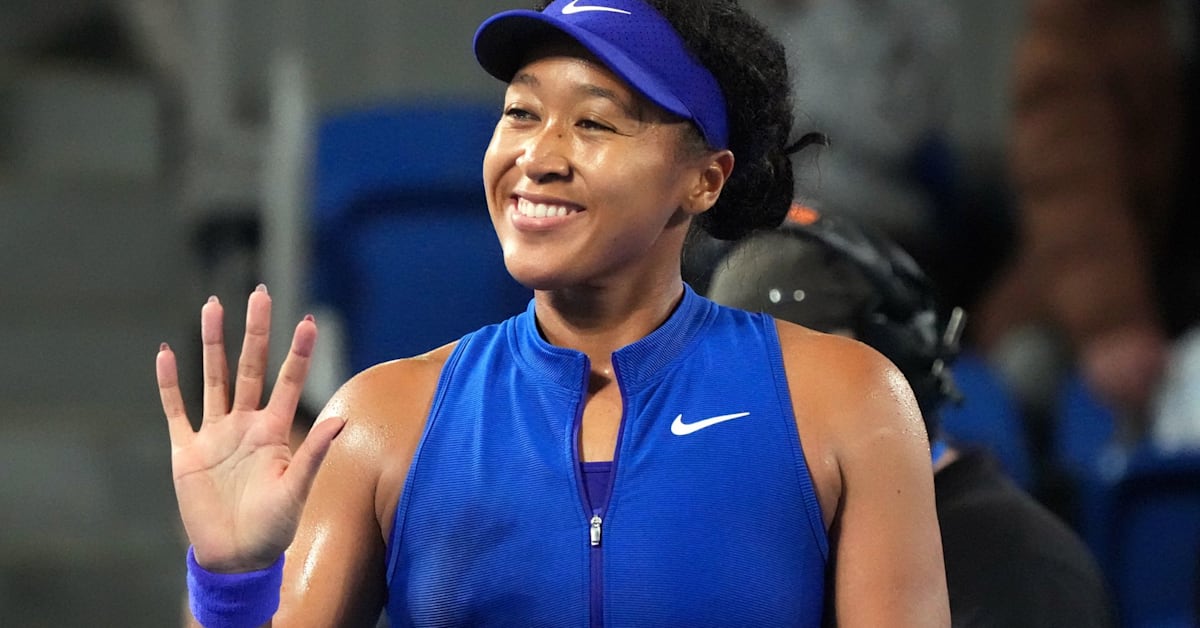
Naomi Osaka, the four-time Grand Slam champion, is contemplating a future without tennis, all because of her three-year-old daughter, Shai. In a recent interview before the Pan Pacific Open in Tokyo, Osaka revealed that if her daughter ever asked her to stop traveling, she would consider hanging up her racket. This statement is not just about tennis; it’s about the ongoing struggle Black athletes face when balancing career and family. Osaka's words echo a broader narrative where Black athletes, particularly women, handle the relentless demands of their sports while being tethered to their cultural and familial responsibilities. In a world that often demands their excellence on the court while disregarding their lives off it, Osaka's contemplation is a profound reminder of the delicate dance between personal and professional aspirations.
According to BBC Sport, Osaka is inching back toward her top form, yet her mind is firmly on the possibility of retirement. She's climbed back into the world's top 20, an impressive feat for anyone, but especially so for a new mother trying to juggle both career and family life. Osaka admitted that her priorities have shifted since Shai entered her life, and she's found herself questioning how long she wants to compete under the demanding tennis circuit. This introspection is proof of her evolving identity, which now includes being a mother alongside being an athlete. Her success in returning to the top ranks highlights not just her skill but her resilience, as she navigates a sports scene that frequently overlooks the complexities Black athletes face in their personal lives. Osaka's journey back to the top is as much about redefining her legacy as it is about tennis.
Osaka, 29, has made it clear: "My daughter is my biggest priority," she said. The pull between family and career is one that many Black athletes can relate to, as the pressure to excel in predominantly white sports environments is often unyielding. Osaka's candidness offers a glimpse into her evolving mindset and the video below details her reflections. Her openness about prioritizing family challenges the status quo in sports, where personal sacrifices are often expected without question. For Osaka, handling these predominantly white spaces means constantly proving herself, not just as an athlete but as a mother and a woman of color. Her reflections show a broader conversation about the double consciousness that Black athletes often experience, negotiating their identities in spaces that demand they leave parts of themselves at the door.
She's already proven that taking a step back isn't synonymous with failure. After stepping away in 2021 for mental health and later for pregnancy, Osaka has been a vocal advocate for self-care, challenging the notion that athletes must sacrifice everything for success. Her journey back into the sport has been met with significant progress, as evidenced by her impressive runs in major tournaments like Wimbledon. By prioritizing her mental health and well-being, Osaka is redefining what it means to be a successful athlete. Her decision to step away and then return on her own terms illustrates a powerful narrative of resilience and self-determination. In doing so, she sets a precedent for athletes who are looking to embrace a more holistic approach to their careers, one that acknowledges the importance of mental health and personal fulfillment alongside competitive achievements.
For Osaka, the climb back isn't just about rankings or titles. It's a personal journey of finding balance between mothering her daughter and rediscovering the instincts that brought her four Grand Slam titles. In Tokyo, she opened her tournament play with a victory against Jasmine Paolini, but she insists that her life is more than just about winning matches. This pursuit of balance is emblematic of a broader shift in how athletes, particularly Black women, are redefining success on their terms. Osaka's journey is as much about personal growth as it is about athletic achievement. Her ability to find joy and fulfillment beyond the court says a lot about her evolving definition of success. It's a narrative that resonates with anyone striving for balance in a world that often equates worth with productivity and accolades.
Osaka's situation isn't unique in the sports world. History has shown us the struggles Black athletes face in balancing personal desires against professional obligations. From Serena Williams, who also navigated motherhood and tennis, to Jackie Robinson breaking barriers while juggling intense pressure, Black athletes historically bear more scrutiny and expectations. Their journeys serve as a cultural backdrop to understand Osaka's own path. Black athletes have long been at the forefront of challenging the status quo, using their platforms to advocate for change and redefine what it means to succeed. The experiences of those who came before her provide a rich context for understanding Osaka's own challenges and triumphs. Their stories show the resilience required to handle spaces that were never designed to accommodate the full spectrum of their identities and contributions.
But this is more than about Osaka or tennis. It's about a larger cultural shift.
Choosing between personal happiness and professional success is a balancing act that Black athletes know all too well.
Choosing between personal happiness and professional success is a balancing act that Black athletes know all too well. Unlike their peers, they handle systems that often undervalue their contributions while placing them under a microscope of criticism. When Osaka speaks of retirement, she's not only considering her career but the environment in which she’s operating. This environment is often rife with microaggressions and double standards that demand Black athletes prove their worth repeatedly. For Osaka, contemplating retirement is not merely a personal decision but a response to an industry that often fails to support athletes as whole people. It raises critical questions about the need for systemic change in sports, where cultural biases and institutional pressures can make the pursuit of personal happiness feel like a radical act.
For the sports industry, Osaka's potential departure from tennis raises critical questions about how it supports athletes as whole people, not just competitors. The system demands endless dedication but offers little reprieve for those who prioritize family over victories. What message does that send to young athletes watching closely, dreaming of one day stepping onto that same stage? The industry must grapple with the reality that its current structure often forces athletes to choose between their personal lives and professional aspirations. This choice disproportionately affects Black athletes, who must handle additional layers of scrutiny and expectation. Osaka's situation serves as a crucial reminder of the need for more supportive environments that recognize and respect the complexities of athletes' lives beyond their sports achievements.
And for the audience, especially within the Black community, Osaka's narrative is both relatable and aspirational. Her willingness to choose family and personal well-being over relentless ambition resounds deeply, reflecting a broader conversation about redefining what success looks like in a system not built for us. When Osaka says she's proud of her progress, it resonates with anyone who's had to fight for space to simply be. Her story mirrors the lived experiences of many in the Black community who continue to challenge societal norms and expectations. By prioritizing her own happiness and fulfillment, Osaka sets an example of self-determination and authenticity that encourages others to pursue their own paths, even in the face of systemic barriers and cultural pressures.
Advertisement
At the intersection of race, gender, and media, Naomi Osaka is more than just a tennis player; she's a cultural icon challenging conventions. Her every decision is magnified in a world that often marginalizes women of color. In this context, her words carry weight, offering a lesson in prioritizing what truly matters in life. Osaka's ability to handle these intersecting identities with grace and conviction makes her a powerful figure in the sports world and beyond. Her journey challenges the narratives that often seek to confine women of color to narrow definitions of success and achievement. By embracing her complexity and speaking her truth, Osaka inspires a new generation of athletes to redefine their own stories and claim their rightful place in spaces that have historically excluded them.
Looking ahead, the world will watch Osaka’s next moves closely. Her journey could redefine what's possible for athletes balancing family and career. Whether she continues to chase titles or steps back for Shai, Osaka remains a beacon of authenticity in sports. Her choices challenge us to think differently about the legacy she’s leaving behind and the future she's inspiring for Black athletes everywhere. As she navigates this turning point in her career, Osaka's decisions will likely influence how we understand the role of athletes in society and who gets to decide what success looks like. Her story is proof of the power of authenticity and the courage it takes to pursue one's truth in a world that often demands conformity.