National Guardsman Draws Gun Over Hair Dispute: What This Tells Us About Military Culture
By Malik Carter, PowerVault Staff On a humid afternoon in Washington, D.C., the atmosphere was charged with tension. A group of National Guardsmen had gathered, likely engaging in what they thought was light-hearted b...
Advertisement

By Malik Carter, PowerVault Staff
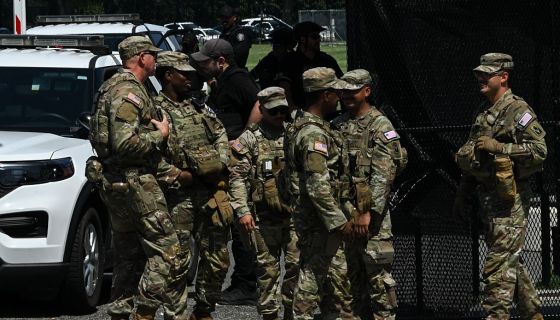
On a humid afternoon in Washington, D.C., the atmosphere was charged with tension. A group of National Guardsmen had gathered, likely engaging in what they thought was light-hearted banter, a common occurrence in military life where camaraderie often takes the form of playful jabs. But this moment would spiral into something far more troubling when a 21-year-old guardsman allegedly pulled a loaded pistol on a fellow service member over a disagreement concerning hairstyles. The absurdity of the situation is shocking, yet it invites deeper questions about the intersection of military culture, mental health, and systemic failures in the regulation of conduct within the armed forces.
According to reports, the incident unfolded after the guardsman expressed displeasure over another soldier’s hair. Disagreements over grooming standards in the military are not new; they have become a contentious topic, particularly in a multicultural nation that celebrates personal expression. Yet, what transpired next,drawing a firearm,seems to reflect a failure of both judgment and protocol. While the accused guardsman now faces serious charges, including felony assault, the implications of this act resonate well beyond the courtroom.
The irony is palpable: individuals who are trained to protect and serve, equipped with weapons, can sometimes display alarming levels of immaturity and instability. The military ethos emphasizes discipline, respect, and responsibility,qualities that should overshadow any personal disagreements. But in this instance, the breakdown of these core values raises questions about the vetting processes for recruits and the psychological evaluations they undergo. In a high-stress environment, the stakes are not just about career trajectories but also about the safety of fellow servicemen and women. How can this individual have been entrusted with a weapon if he is willing to resort to violence over something as trivial as a hairstyle?
In examining the cultural context, it becomes clear that this incident illuminates ongoing discussions about mental health in the military. The toll of service on psychological well-being is often overlooked, leading to a silent crisis that manifests in various ways, including aggression in situations that might not warrant such extreme reactions. The military’s historically stoic approach to emotional issues often leaves service members without adequate support systems. As a society, we must confront the stigma that prevents soldiers from seeking help. What does it say about our values and our priorities when a young man's emotional regulation fails so dramatically under the weight of a hairstyle dispute?
The incident also raises broader societal questions about gun culture in America. In a nation where the right to bear arms is deeply ingrained in the fabric of society, the responsibility of handling these weapons should not be taken lightly. The dichotomy of a guardsman trained to protect national security yet capable of threatening a colleague with a firearm highlights the urgent need for stringent enforcement of firearm protocols and accountability within military ranks. How many more incidents must occur before a systemic change is warranted? The reaction of the military leadership to this incident will be telling; will there be a push for reform, or will this be another instance of a slap on the wrist?
Moreover, juxtaposing this incident against the backdrop of racial and social dynamics within the military adds another layer of complexity. While it may initially appear that the disagreement was trivial, the cultural implications of hair, particularly in communities of color, cannot be ignored. Hair has been a battleground for identity, expression, and systemic discrimination. The military's dress codes have often clashed with individual identity, leading to resentment and conflict. How does a young Black man or woman feel serving under standards that may not represent their cultural identity? This raises an important question: Does the military create a truly inclusive environment, or does it perpetuate divisions that can explode into violence?
The fallout from this incident is likely to reverberate through the ranks. The accused guardsman's fate hangs in the balance as he awaits trial, but the broader implications raise urgent questions about military culture and the systems in place to support service members. As this case unfolds, stakeholders within the military and law enforcement must grapple with the larger issues of mental health and personal conduct. Will this incident lead to reforms that address underlying issues, or will it be swept under the rug, continuing a cycle of neglect?
Advertisement
As the community observes this case, a challenge must be extended to those invested in the military and its culture. It’s time for a critical examination of how service members are trained, how conflicts are managed, and how mental health is prioritized. Individuals in the military must be empowered to express their challenges without fear of judgment or reprisal. If we continue to ignore the signs, we risk more incidents that jeopardize the safety of not only the service members but also the public trust in our armed forces.
The question lingers: what does the future hold for military culture in the face of such incidents? Will accountability and reform prevail, or will this be another cautionary tale left to gather dust in the archives? As citizens and observers, our role is crucial. We must advocate for a military that reflects our values,one that promotes safety, respect, and accountability. This is not just about one guardsman drawing a gun; it’s about the integrity of the institution and the lives it impacts.