
The Weeknd Raises $3 Million: Where Does It Go Next?
By Renee Fontaine, PowerVault Staff The Weeknd raised $3 million for hunger relief and programs supporting women and girls in 2026. That puts a different kind of number beside a stadium run usually measured in ticket...
Advertisement

By Renee Fontaine, PowerVault Staff
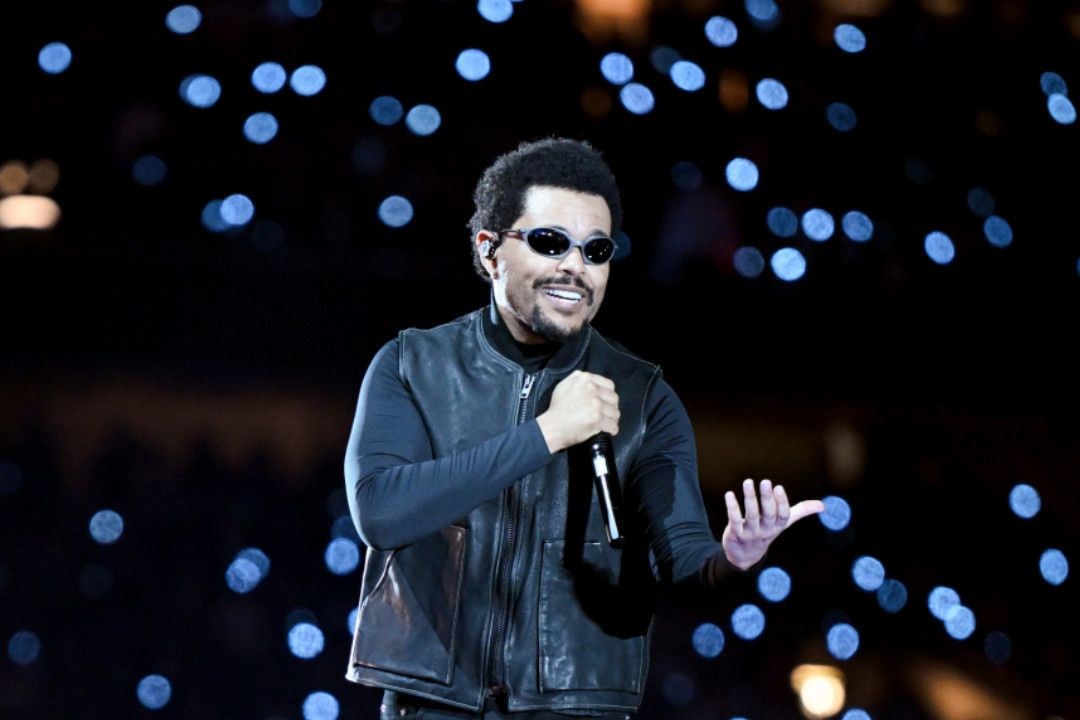
The Weeknd raised $3 million for hunger relief and programs supporting women and girls in 2026. That puts a different kind of number beside a stadium run usually measured in ticket sales and crowd size. The money will benefit the United Nations World Food Program and Global Citizen, connecting his touring reach to needs far beyond the barricades. The distinction matters when an artist’s commercial power gets more attention than the people that power could actually help reach. Big artists regularly ask fans to help make history by buying something. Abel Tesfaye’s latest fundraising gives that relationship another purpose, and the useful conversation starts with what those dollars can actually support.
According to XXL’s reporting on The Weeknd’s charitable contributions, the fundraising was highlighted Nov. 5 as he wrapped his After Hours Til Dawn Stadium Tour. The designated work includes expanding access to healthcare, education and economic opportunities for women and girls. Global Citizen’s partnership also supports a campaign seeking commitments to remove barriers that limit their opportunities. Securing those commitments is a step toward change, but a pledge should not be confused with a service already delivered. Those are related goals, but they are not interchangeable services. Food assistance answers an immediate need. Education and economic access require sustained work. The reporting names the broad priorities without providing a complete breakdown of how this year’s $3 million will be divided.
The tour’s scale explains why this partnership deserves attention beyond a celebrity donation headline. After Hours Til Dawn launched in July 2022 and finished with 176 shows across 67 cities, 30 countries and five continents. Across that four year run, contributions to the XO Humanitarian Fund and Global Citizen reached $8.5 million. That is a sustained fundraising relationship attached to a traveling operation, not simply one benefit appearance between album campaigns. Maintaining that connection across multiple touring years gives the humanitarian work a longer runway than a single night’s spotlight. The reporting does not specify how much came from Tesfaye personally versus other fundraising sources, so those categories should stay separate. The accompanying video follows below; the financial figures come from XXL’s reporting.
Tesfaye also serves as a Global Ambassador for the United Nations World Food Program. Outside the tour’s fundraising total, the source describes a previous $2 million donation for emergency food and nutrition assistance in Ethiopia. That commitment matters on its own terms, especially given his Ethiopian family background. Diaspora ties can turn distant headlines into personal obligations, though no reader needs to guess his private motives to recognize the contribution. An ambassador title creates visibility; putting money toward the emergency gives that public relationship substance beyond a name on campaign materials. The concrete fact is the funding’s stated purpose: helping people access food and nutrition during an emergency. That deserves more space than a passing mention beneath another discussion of his commercial reach.
Gaza is another major part of that record. Through the XO Humanitarian Fund, he contributed $4.5 million to help provide more than 18 million loaves of bread to families there, according to the reporting. That bread figure describes food assistance, not a count of individual recipients or proof that families’ wider needs were met. Since 2020, his donations to various charitable causes total more than $12.6 million. Readers should not add every figure in this story together and call the result a new total. The numbers cover different periods and categories, and the source does not supply a ledger resolving every overlap. Accurate credit beats inflated applause. Another accompanying video follows below, separate from the donation accounting described in the source.
Music’s relationship with hunger relief has history, and that history comes with lessons. Live Aid’s 1985 concerts made famine relief in Ethiopia a global entertainment event. The spectacle demonstrated how artists could command public attention, but celebrity visibility never replaced the difficult work of delivering assistance. A later model came through Rihanna, who founded the Clara Lionel Foundation in 2012 and built an institution beyond any single performance. These examples are not identical to Tesfaye’s partnerships. A foundation and a touring partnership have different structures, so putting them in conversation should illuminate the work rather than turn generosity into another celebrity ranking. They show a recurring choice: whether an artist’s reach produces one memorable announcement or supports work that continues afterward. His fundraising across four touring years provides evidence of continuity, even as specific outcomes still deserve documentation.
The applause is earned, but the people receiving assistance deserve more attention than the celebrity.
Fans deserve an impact report with the same energy they get a ticket announcement.
For Tesfaye, the strongest part of this story is repetition. A single check can be generous. Repeated commitments across years establish something more substantial than a charitable detour during a promotional cycle. Nobody needs to pretend that giving money erases every possible criticism of an artist. That bargain would cheapen both accountability and philanthropy. The better judgment is narrower and stronger: he has repeatedly directed money and attention toward humanitarian needs. The Ethiopia and Gaza contributions also show that this record extends beyond the latest announcement attached to his stadium tour. His music can be debated on its own merits. These contributions can be credited without turning him into a flawless public figure. Black stars should be allowed to do meaningful work without being crowned saints or dismissed as publicists.
For the industry, the challenge is making this kind of commitment durable without hiding the accounting behind a famous face. A stadium gross is not an artist’s take home pay. Promoters, venues, production crews and other expenses sit between ticket revenue and profit. A fundraising total also does not reveal who supplied each dollar. Nor does this reporting establish a donation per ticket, so nobody should reverse engineer a charitable surcharge from the tour’s attendance. Coverage of Usher and Chris Brown’s canceled second concert date belongs to that broader discussion of touring as a business, not an unlimited cash machine. Tesfaye’s figures should prompt practical questions about documented commitments and recurring support. There is no disclosed contract here showing how his fundraising was structured, and inventing one would serve nobody.
For fans, this is a chance to expand what counts as supporting an artist. Streaming records and sold out dates give supporters a shared scoreboard. Humanitarian outcomes deserve that same curiosity, without pressuring young listeners to spend money they cannot spare. Fans deserve an impact report with the same energy they get a ticket announcement. Asking whether a funded education program actually reaches girls is engagement, too. A fan should not need another purchase to participate in that conversation. PVN’s coverage of Drake’s challenge to Billboard over YouTube streams touches a related question: which measurements get treated as meaningful? Here, the useful measures involve assistance delivered and opportunities expanded. The source provides fundraising totals and stated goals. Future reporting should connect those inputs to results people can understand.
There is a racial and class tension underneath celebrity charity that deserves a direct look. Black entertainers are often expected to function as emergency services, scholarship funds and public spokespeople alongside their actual careers. Meanwhile, the institutions responsible for basic security can escape the same personal scrutiny. Tesfaye’s giving deserves recognition without making private generosity the solution to public failure. Women and girls need healthcare and education whether a superstar is touring or resting. People in Ethiopia and Gaza deserve food without having to become part of an entertainment story. Gratitude should never become the price of receiving assistance, and a donor’s visibility should not determine whose hardship gets taken seriously. The communities receiving assistance have knowledge and priorities of their own. Their voices should help define success, not merely decorate a campaign.
Advertisement
Next comes the work that rarely gets stadium lighting: documenting where the funds go, what programs deliver and whether promised commitments become lasting access. The source does not provide a detailed schedule for those updates, so no rollout should be assumed. WFP and Global Citizen’s future reporting will be worth watching alongside Tesfaye’s next moves. That follow through matters even when there is no album campaign driving public interest. PVN’s standard should stay consistent: recognize the money raised, distinguish promises from completed work and keep recipients visible after the artist leaves the headline. A tour can finish with a final bow. The obligation to show what the money accomplished should keep going.
More from PowerVault Network:
