OutKast Exhibit in Atlanta: Who Gets to Tell the Story?
By Renee Fontaine, PowerVault Staff OutKast’s new exhibit at Atlanta’s Trap Music Museum celebrates the duo’s Southern legacy, without a confirmed appearance from either member. That distinction matters before anybody...
Advertisement

By Renee Fontaine, PowerVault Staff
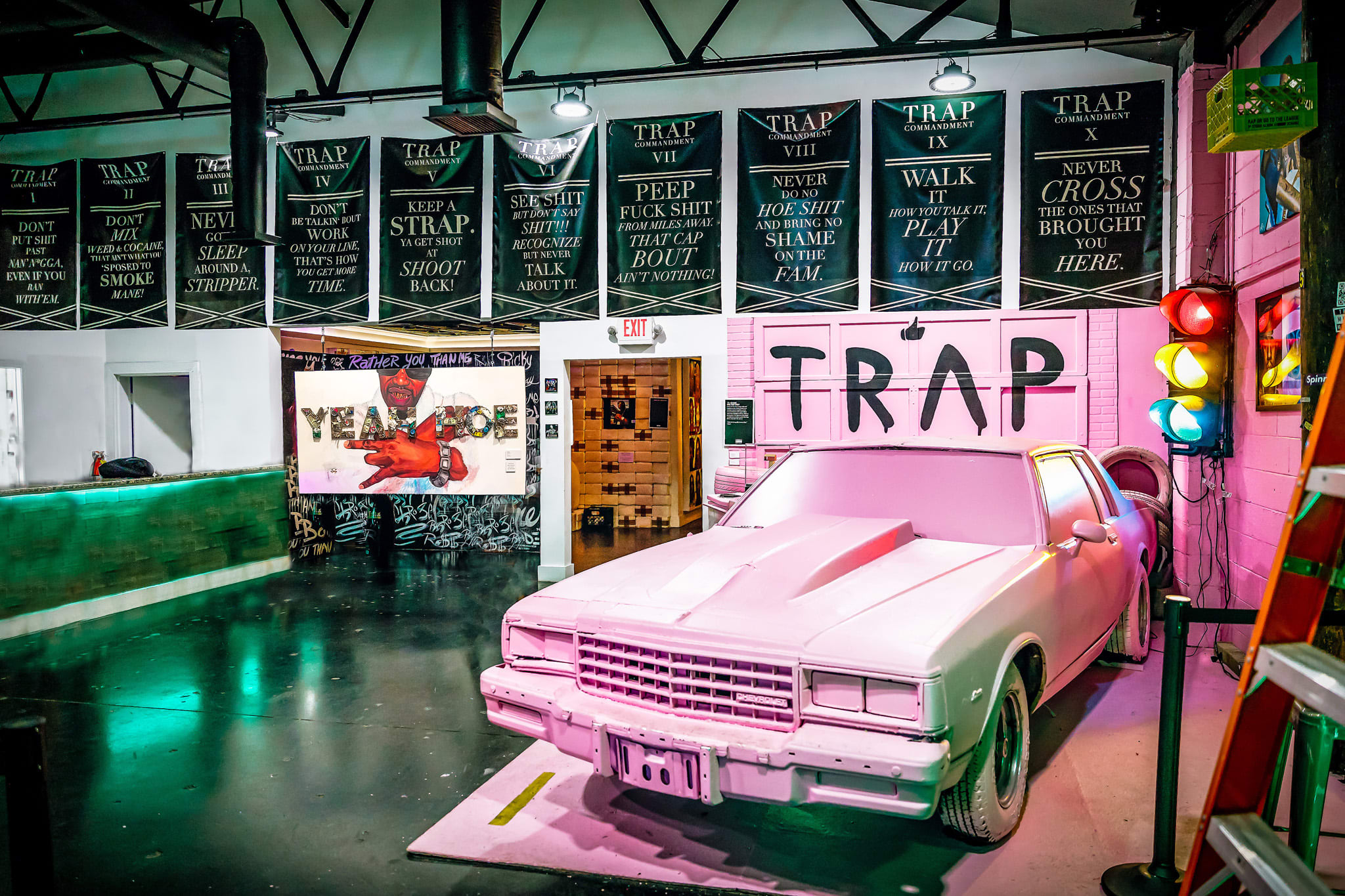
OutKast’s new exhibit at Atlanta’s Trap Music Museum celebrates the duo’s Southern legacy, without a confirmed appearance from either member. That distinction matters before anybody starts planning an André 3000 sighting. The installation puts André and Big Boi’s music, art, fashion and influence at the center of an institution built around Atlanta rap. The opening celebration was scheduled for Monday, November 9, with the exhibit remaining afterward. For a city whose sound travels everywhere, this is a chance to keep the history close to home. The real draw should be what visitors learn, not who might walk through the door.
Museum general manager Christian “CJ” Johnson discussed the exhibit with FOX 5 Atlanta ahead of the opening. According to that reporting, the celebration was set for 8 p.m. To midnight at 630 Travis Street NW. The free RSVP list had already filled before opening night. The museum said only a limited number of early registrants would receive email confirmation, with a small batch of general admission tickets expected afterward. A submitted RSVP, then, was not the same thing as guaranteed entry. That distinction is worth checking before paying for a ride, arranging childcare or bringing the whole group chat along. Anyone making plans should check the museum’s latest admission information rather than treating an old event announcement as a ticket.
The Monday celebration sat outside the museum’s regular Friday through Sunday schedule, making it a special event rather than an ordinary visiting day. Crucially, the installation was not presented as something that would disappear at midnight. That gives fans a reason to separate opening night excitement from the longer opportunity to visit. The museum had not released a full inventory of objects or installations ahead of the event. No special guests had been announced either. An OutKast tribute is not automatically an OutKast appearance, and a packed RSVP list does not change that distinction. Those gaps deserve plain language, not promotional guesswork dressed up as reporting. The accompanying video below offers another entry point into the story, without replacing those practical distinctions.
Beyond that video, the confirmed scope is broad: music, art, fashion and Southern Hip Hop identity. Those categories fit a group whose six studio albums refused to settle into one comfortable lane. Southernplayalisticadillacmuzik arrived in 1994, introducing a distinctly Atlanta point of view to a national audience. ATLiens followed in 1996, Aquemini in 1998 and Stankonia in 2000. Each release expanded what listeners could expect from the same two artists. A strong exhibit can make those changes legible through specific creative choices. The clothes and imagery deserve interpretation, too: how did the visual presentation help audiences understand what they were hearing? Simply placing six album covers on a wall would leave the most interesting part of the assignment unfinished.
Trap Music Museum has been telling Atlanta rap stories through art, memorabilia and room sized installations since opening in 2018. Its galleries include work connected to Jeezy, T.I., Rich Homie Quan, Young Thug, Gucci Mane, Future, Migos and 21 Savage. OutKast belongs in that conversation, but its placement also creates a useful distinction. Southern Hip Hop and trap are connected histories, not interchangeable labels. Sharing a hometown does not mean sharing one sound, and Atlanta’s creative range is part of what deserves celebrating here. The museum has an opportunity to show those relationships without squeezing every Atlanta artist into one category. The second accompanying video follows below; the larger question remains how the institution connects different generations without flattening their differences.
The video sits alongside a history that deserves more than a highlight reel. OutKast’s reception at the 1995 Source Awards exposed how sharply regional hierarchies shaped rap’s national conversation. New York and Los Angeles commanded attention, while Southern artists pushed against being treated as supporting acts. By the 2004 Grammy Awards, Speakerboxxx/The Love Below, released in 2003, had won Album of the Year. The duo reached pop audiences without abandoning its Southern identity. That win deserves its flowers, but a national institution’s approval was not what made Atlanta’s perspective valuable. The value was already in the records. Idlewild followed in 2006 as the group’s sixth studio album. Those dates trace more than commercial growth. They show artists expanding the space available to them, even when the industry’s existing categories could not comfortably contain their work or adequately explain its appeal.
The real test is whether Atlanta gets preserved as a community, not merely packaged as a brand.
Black music deserves a memory longer than a release cycle.
For André and Big Boi, the strongest tribute would respect their differences without turning their partnership into a competition. Celebrity coverage loves a simple split: the eccentric visionary on one side, the grounded counterpart on the other. That framing shortchanges both men and makes their collaboration sound easier than it was. Big Boi is not a supporting character in somebody else’s genius story, and André’s adventurousness should not erase the craft behind it. Their shared work deserves attention to voices, writing, production choices and the tension between individual expression and a collective identity. Neither artist should have to attend an opening to validate that history. Flowers can arrive without an appearance fee attached. A museum should help visitors hear the partnership more clearly, rather than encourage another round of ranking its members.
For the industry, this exhibit presents a challenge to the constant demand for whatever comes next. Black music deserves a memory longer than a release cycle. Labels and platforms know how to sell anniversary editions, reunion speculation and familiar hooks. Preservation asks for something less flashy: accurate credits, useful context and care for the people behind the records. Producers, musicians and visual collaborators belong in that account, because a recognizable cover or chorus rarely tells visitors everybody who helped create it. PVN’s discussion of the Stanky Legg’s return and who gets credit touches a related concern about recognition. Renewed attention should send audiences toward creators, not leave the song circulating while its makers become background information. An exhibit can resist that habit if its research matches its presentation.
For younger visitors, the opportunity is bigger than proving they recognize a hook their parents played. Nobody needs a birth certificate from the 1980s to appreciate OutKast. They do need an invitation that goes beyond telling them everything was better before streaming. A useful exhibit would connect the records to choices people still face: whether to follow a formula, how to represent home and when to risk looking different. Those questions still land for young Black creatives handling an audience that can demand originality and punish it in the same comment section. PVN’s coverage of Common’s orchestra performance in Miami offers another entry into discussing rap beyond a release announcement. Black musical history should feel available for discovery, not guarded by a committee that quizzes newcomers before letting them enjoy it.
There is also a money question underneath all this celebration. Atlanta’s Black creativity helps sell the city, but cultural visibility does not automatically produce access or ownership. The source does not establish how this exhibit’s materials were acquired, who holds their rights or how contributors are compensated. Those are fair questions for any institution presenting living artists’ work. Missing details are not evidence of wrongdoing; they are a reason to seek answers instead of assigning the museum either praise or blame. Admission matters, too. A full free RSVP list shows interest, but it does not tell readers what future visits will cost. Local students, families and longtime residents deserve clear information. The people who helped make Atlanta desirable should not become an afterthought when that identity becomes an attraction people pay to experience.
Advertisement
Next, watch for the exhibit’s full contents, regular visiting details and any confirmed programming beyond opening night. Listening sessions, credited oral histories or educational partnerships would be meaningful additions, though none has been announced in the supplied reporting. Visitors can also bring a sharper standard than whether the photos look good. Does the experience explain a creative decision? Does it introduce a contributor? Does it make somebody return to an album and hear more? OutKast earned this attention by refusing to make Atlanta smaller for outside approval. The museum’s job is to make sure the history keeps that same nerve.
More from PowerVault Network: