Patrick Mahomes Injury: What Kelce’s Praise Leaves Out
By Malik Carter, PowerVault Staff Patrick Mahomes returned after an elbow injury scare against the Jets, earning Travis Kelce’s praise and putting football’s definition of leadership back under examination. Kansas Cit...
Advertisement

By Malik Carter, PowerVault Staff
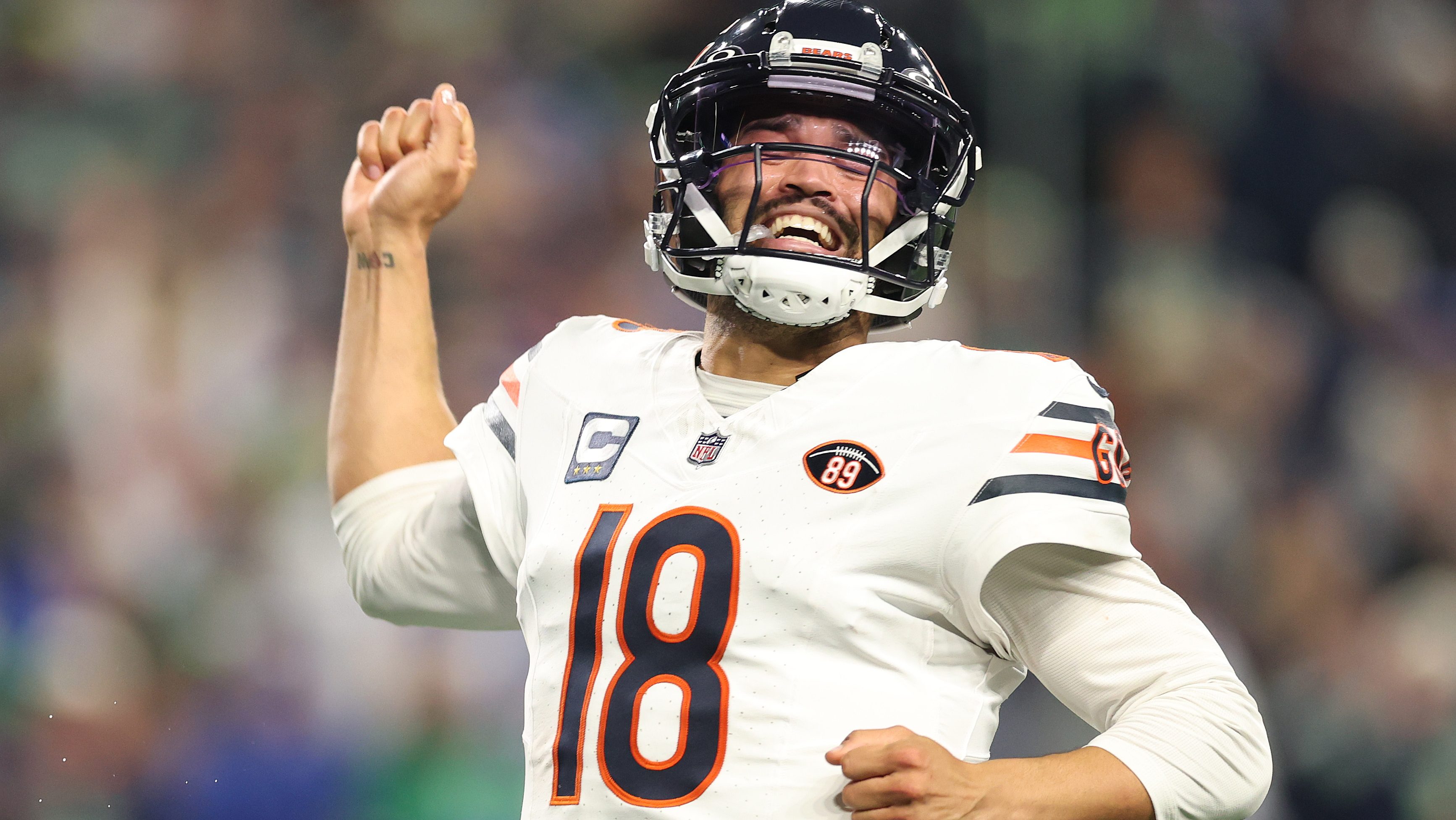
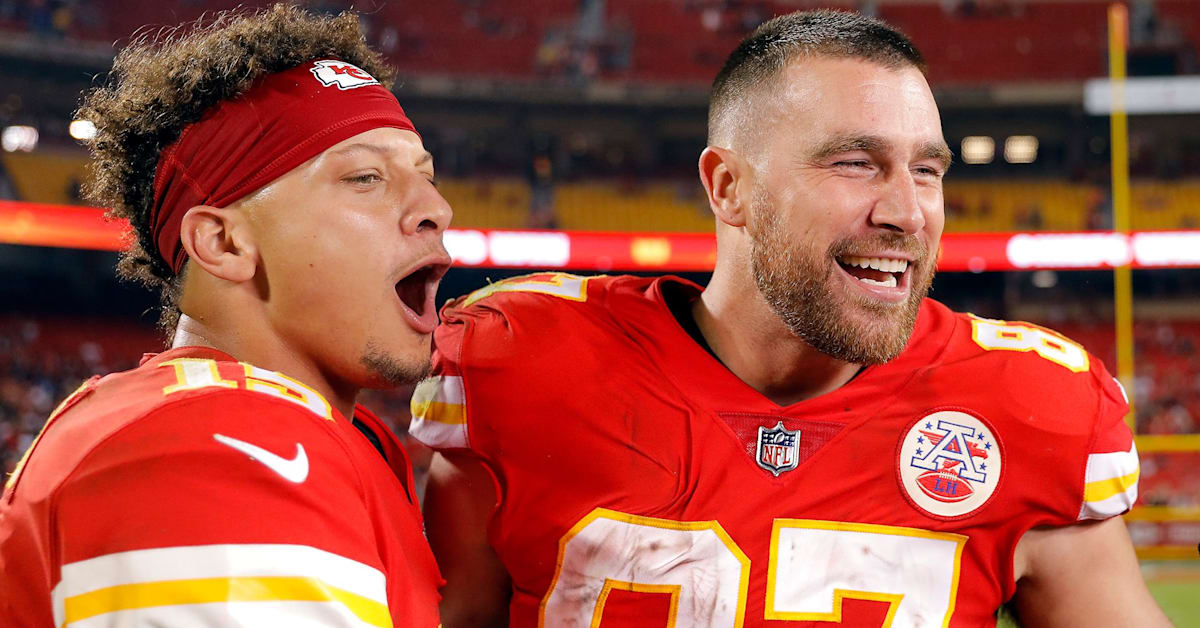
Patrick Mahomes returned after an elbow injury scare against the Jets, earning Travis Kelce’s praise and putting football’s definition of leadership back under examination. Kansas City won 35 to 12 on Nov. 8, bouncing back from its Nov. 1 loss to Denver. Kelce called his quarterback fearless. That praise matters because it came from someone who shares the work, not someone watching from a studio. Inside a locker room, showing up for teammates carries weight no contract can manufacture. But admiration should start a conversation, not end it. When a Black quarterback’s willingness to absorb physical risk becomes proof of his leadership, the people celebrating should also ask who carries the cost.
Kelce’s comments appeared in a postgame video shared on X by ESPN reporter Lindsey Thiry. The account of the game describes Mahomes appearing to hurt his throwing elbow before returning to finish the victory. It does not establish a diagnosis, the severity of any injury or the details of his medical evaluation. Those limits matter. A player returning tells the public that he resumed playing. It does not give viewers an MRI through the television. Nor does a comfortable final score reveal what discomfort he experienced or what information informed the decision to put him back on the field. Any serious assessment has to separate what teammates witnessed from what only the player and medical staff could explain.
“Just a fearless leader,” Kelce said of Mahomes after the game. He followed that with a description of a quarterback determined to return: “Doing everything he can to get back out there and lead us to victory, which he did.” That is a teammate describing commitment, and it deserves to be heard on those terms. Kelce also acknowledged that other players got banged up and fought through it. His praise located Mahomes inside the group rather than above it. “You just put your heart on your sleeve and go out and play with the guy next to you,” he added. That distinction helps explain why players value these moments so deeply. The accompanying video follows below.
Kelce’s reported words provide the evidence here, without requiring assumptions about what the accompanying footage establishes. His own afternoon supplied another angle: 72 receiving yards, a rushing touchdown and a place beside Rob Gronkowski. At 37, Kelce reached 108 career touchdowns, including the playoffs, tying Gronkowski for third among tight ends. He also led Kansas City in receiving yards, making his tribute to the people around him more than ceremonial humility after a quiet afternoon. Yet his response spread the credit. “I'm just a product of my environment,” he said, after praising Andy Reid’s play calling and his teammates. That connects with the question behind PVN’s coverage of who gets credit for Power: individual achievement still depends on collective work.
Mahomes brings a different kind of number into this discussion. His 2020 contract extension carried an announced value of $450 million over 10 years. That figure should not be confused with cash paid immediately or an entirely guaranteed balance. Still, it established the scale of Kansas City’s commitment. His throwing arm supports more than the next completion. It helps sustain ticket demand, sponsor interest and the competitive expectations surrounding the franchise. Protecting that arm is therefore an organizational responsibility, not merely a test of the quarterback’s resolve. None of that proves he faced pressure to return against New York. It explains why decisions about his health deserve more scrutiny than a celebration of toughness alone. A second accompanying video follows below.
Neither accompanying video should substitute for a diagnosis. The useful historical comparison comes from Mahomes’ documented career: a dislocated kneecap in 2019 and an ankle injury during the January 2023 playoffs. He returned from the first and played through the second during a championship run. Those episodes help explain his reputation, but they cannot establish what this elbow scare means. A medical history is not a clearance for another injury. Black quarterback history gives that perseverance another layer. Doug Williams became the first Black quarterback to start and win a Super Bowl in January 1988. Decades of exclusion and stereotypes about intelligence and leadership preceded that breakthrough. Mahomes works in a different era, but the position still carries that inheritance. His excellence expands what football celebrates. It should also expand how much freedom Black quarterbacks receive to protect themselves.
The danger begins when a compliment becomes a standard every injured player must meet.
A franchise cannot sell its quarterback as priceless and treat his availability as something it is owed.
For Mahomes personally, the line should be simple: respect his competitiveness without turning it into a standing obligation. Kelce knows his teammate in ways spectators do not. There is no reason to dismiss that bond or pretend returning carried no emotional meaning. But the quarterback who comes back today must retain permission to stay out tomorrow. Different injuries demand different decisions. The trust Kelce describes should leave room for caution, not just reward the decision that keeps the offense moving. A player should not have to damage his future to remain consistent with yesterday’s praise. Calling him fearless can honor a moment. Using that label to judge his next medical decision would punish him for having earned it. Leadership includes telling the truth about what a body can no longer do safely.
For the NFL, the harder issue is how easily shared sacrifice can become unequal risk. Coaches need wins. Broadcasters need stars. Owners benefit when franchise players remain visible and competitive. The athlete lives with the body after the broadcast ends. That does not mean every return reflects coercion, and the available account establishes none here. It means the league’s incentives deserve examination even when everyone expresses sincere concern. Good intentions alone cannot resolve a system in which the immediate rewards of playing are distributed more widely than the consequences. A franchise cannot sell its quarterback as priceless and treat his availability as something it is owed. Medical independence, careful evaluation and an honest explanation of uncertainty matter more than a stirring clip. Protection has to work when the player wants to keep going.
For fans, especially Black fans invested in seeing greatness recognized, the challenge is separating pride from entitlement. Mahomes succeeding at quarterback carries meaning beyond Kansas City. People remember when athletes who looked like him were pushed toward other positions or judged through coded doubts. That history can make every comeback feel like another argument won. But Black excellence cannot require endless demonstrations of endurance. A Sunday spent protecting his health would not surrender anything he has already proved about who belongs under center. The audience can celebrate his command, preparation and judgment without demanding physical sacrifice as the admission price. Fantasy lineups and betting slips do not create a claim on somebody else’s elbow. Loving the performance should include wanting the performer healthy enough to have choices after football.
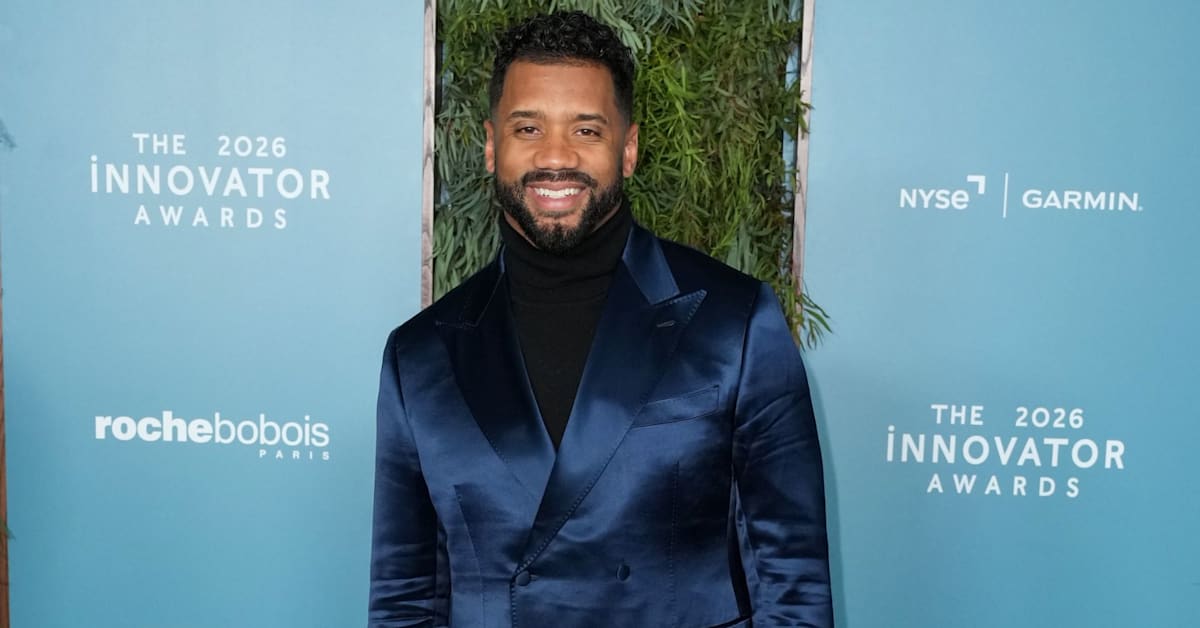
Race does not explain every injury decision, but it shapes the language surrounding athletic labor. Black athletes have long faced a bargain that praises their bodies while questioning their authority. The quarterback position makes that contradiction especially visible because command and judgment are part of the job. Mahomes has unusual leverage, yet even elite status cannot erase the expectation that a leader always answers the bell. The contradiction sharpens when fans trust him to diagnose a defense but resist his authority to say something about his own limits. PVN’s examination of Russell Wilson’s possible career choices approaches a related issue: what an established quarterback might surrender to pursue his next chapter. For Mahomes, the principle is bodily authority. Respecting Black leadership means respecting decisions that disappoint the people buying the tickets.
Advertisement
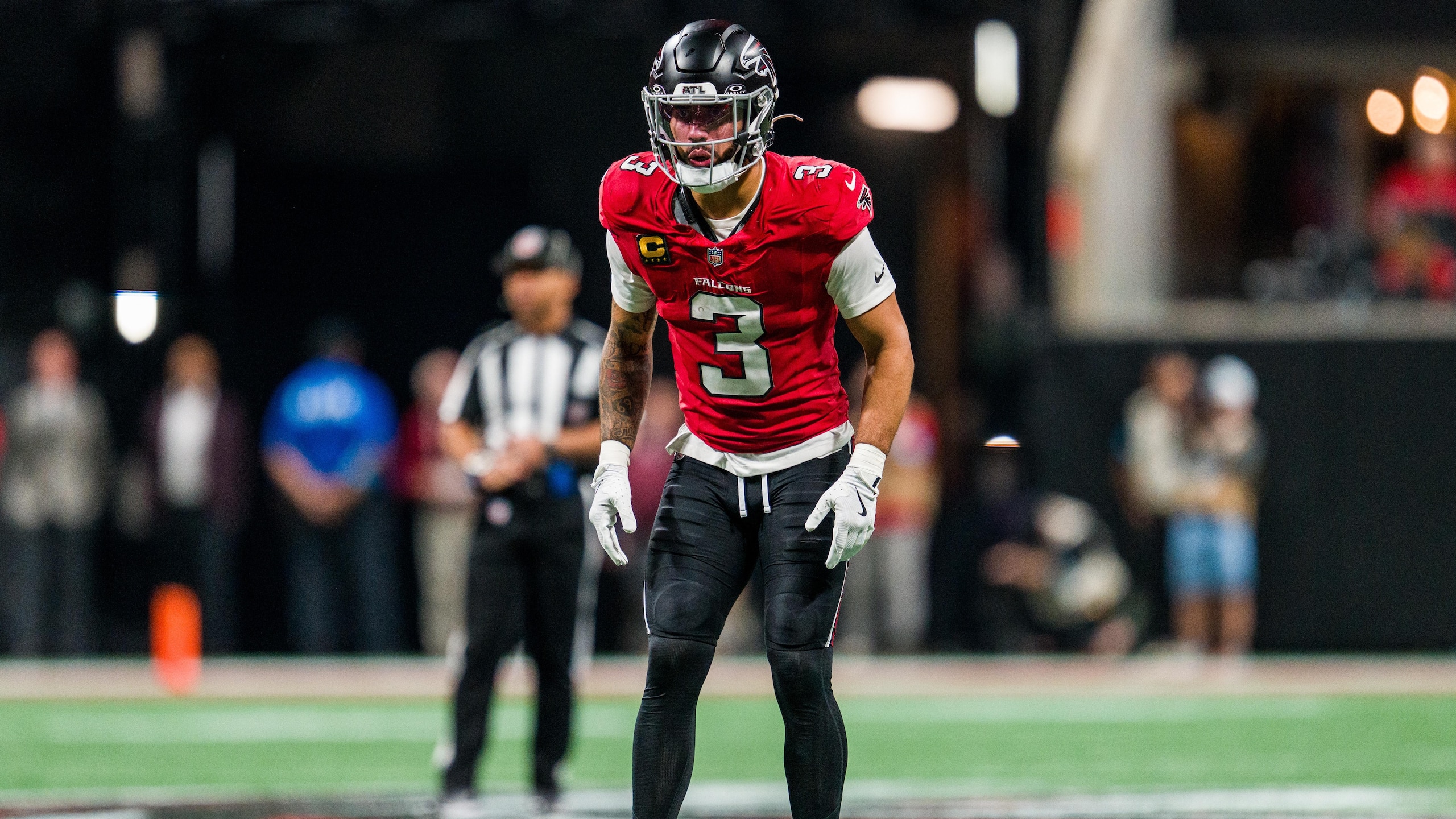
Kansas City’s next scheduled stop is Atlanta on Nov. 15, and the useful questions begin before kickoff. What will the team disclose about Mahomes’ elbow? Will practice participation offer clearer information about his readiness? How will the offense respond if he has limitations? None of those answers should be guessed from Kelce’s affection or the previous week’s score. His praise tells readers something real about trust inside that locker room. The next test belongs to the organization around its quarterback. Kansas City should be judged not only by what Mahomes gives the franchise, but by what it refuses to ask him to risk.
More from PowerVault Network: