Jessie Bates III Trade: What Are the Falcons Giving Up?
By Marcus Ellison, PowerVault Staff Jessie Bates III is reportedly headed from the Falcons to the Jaguars for two draft picks, putting Atlanta’s defensive priorities under scrutiny. The trade remains unconfirmed in th...
Advertisement

By Marcus Ellison, PowerVault Staff
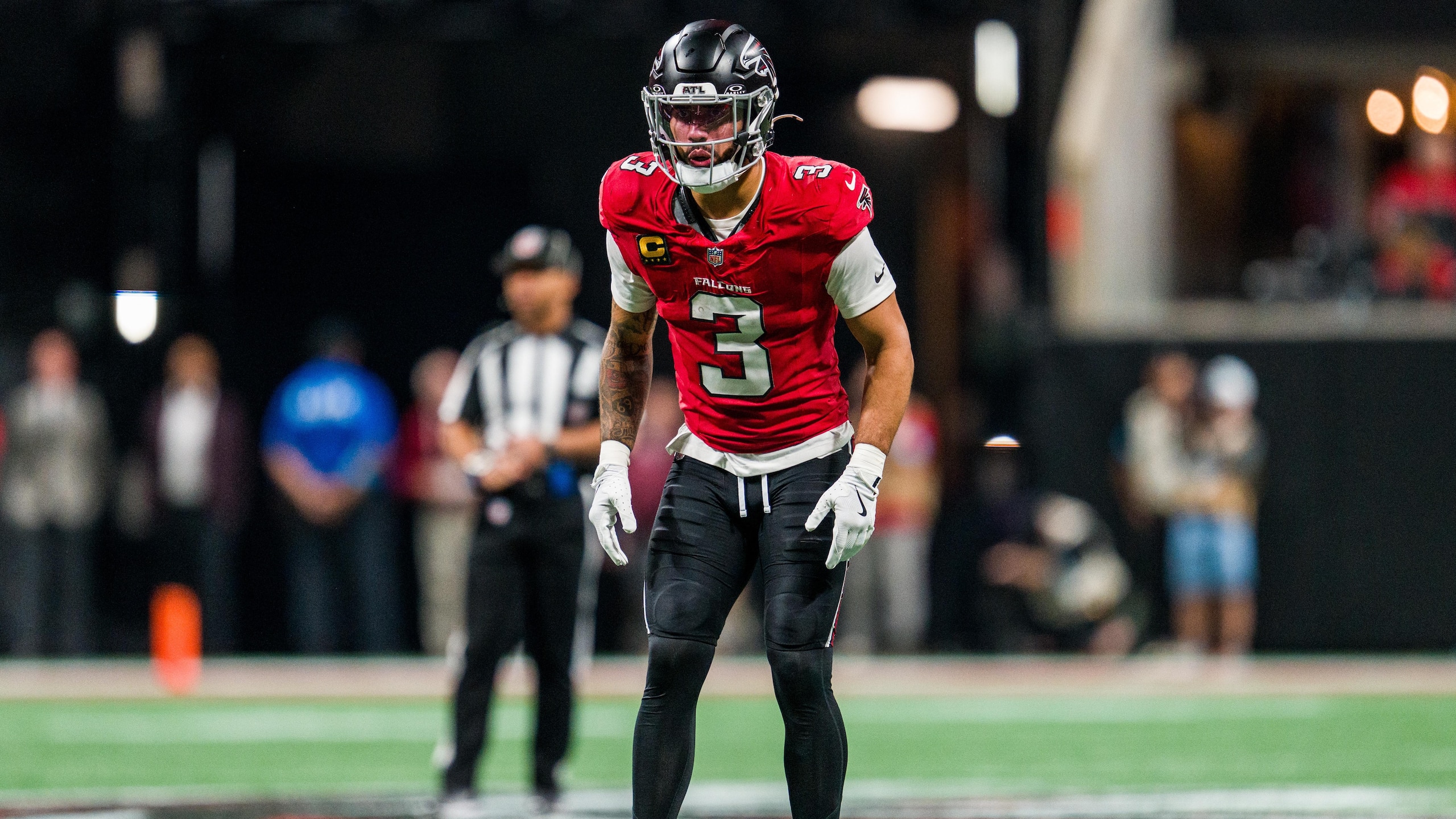
Jessie Bates III is reportedly headed from the Falcons to the Jaguars for two draft picks, putting Atlanta’s defensive priorities under scrutiny. The trade remains unconfirmed in the material provided, and the picks’ rounds and years are unspecified. Those details matter. Two selections can represent serious compensation or little more than permission to move a contract. Until the terms are established, declaring a winner would be theater. The sharper question is what Atlanta believes it can replace, and whether Jacksonville sees something the Falcons no longer want to pay for. A veteran safety’s departure can reveal an organization’s priorities faster than its press conference.
The supplied headline and summary report the move but do not identify the originating news outlet. An accompanying link points to ESPN reporter Adam Schefter’s X account, though its contents have not been independently verified here. There is no established statement from Bates or either franchise in the supplied material. That limits what can responsibly be said about motives, compensation and timing. It does not erase the football stakes. Atlanta would be moving a player it recruited to organize its defense. Jacksonville would be acquiring someone whose value depends partly on making everybody around him less confused. That work rarely gets isolated on television, but its absence can expose an entire secondary. Neither side should receive automatic credit for that exchange.
Atlanta signed Bates in March 2023 to a four year contract worth $64.02 million, with $36 million guaranteed. That was a substantial investment in a position teams often treat as a budget adjustment. His first Falcons season produced six interceptions, a Pro Bowl selection and second team All Pro recognition. Those career markers are documented on his ESPN player profile. They establish the standard Atlanta purchased, not a guarantee of future production. The contract also makes clear that Atlanta once considered dependable safety play worth paying a premium. Any assessment of this reported deal needs to separate that record from assumptions about his current value. The linked Adam Schefter post below is the reporting reference supplied with this story.
Any terms established by that post still need to be distinguished from the separate question of Atlanta’s salary cap accounting. A contract’s advertised value does not tell readers what trading it saves. Signing bonus charges can remain with the original club after a player leaves. The acquiring team generally assumes remaining contractual obligations, subject to any restructuring or negotiated arrangement. Timing can also change when charges hit the books. Without a verified transaction date and current contract details, a precise savings claim would be guesswork. Calling this a salary dump would therefore get ahead of the evidence. So would assuming Jacksonville acquired a bargain simply because draft picks changed hands.
Jacksonville’s football case would start with communication, not an interception montage. Safeties help set coverage, identify motion and correct alignment before the snap. A veteran can recognize the route combination that puts a younger cornerback in trouble. Preventing that mistake can mean denying a throw rather than intercepting one. That does not mean Bates could repair a defense alone. Protection from the pass rush, reliable tackling and a coherent coverage system still matter. The Jaguars would need to give him responsibilities that fit his strengths rather than treat his résumé as an emergency repair kit. Leadership becomes a convenient sales pitch when a team cannot explain its plan. The accompanying video belongs alongside that distinction between individual talent and collective responsibility.
Whatever argument the video advances, Bates’ own history offers a firmer starting point. Cincinnati drafted him 54th overall in 2018, then used the franchise tag to retain him in 2022. He played that season without the long term agreement he wanted before signing with Atlanta in 2023. The sequence illustrates how a club can value a safety enough to restrict his movement without committing to his future. Earl Thomas encountered another version of that tension in Seattle during his 2018 contract dispute. These situations differ, but the bargaining structure persists. Teams want continuity in the secondary. Players want protection against the physical and financial risks required to provide it. One injury can change a player’s negotiating position before he gets another opportunity to test what competing teams would actually pay for him. The league does not distribute those risks evenly.
The business gets called mutual until only one side is expected to show loyalty.
Loyalty cannot remain a character test for players and an optional expense for owners.
For Bates, the personal stakes extend beyond whether his next jersey fits. A reported trade can turn years of reliable work into a public referendum on decline before anyone explains the decision. He should not have to absorb that verdict without evidence. Nor should he be required to praise every organizational choice to preserve his reputation as a professional. Black players know how quickly an unwelcome opinion can become a story about attitude, pushing their actual performance out of the conversation. The same burden appears in the expectations placed on Caleb Williams in Chicago: individual players become answerable for failures built across an entire organization. Bates deserves an evaluation rooted in his assignments and execution. A front office moving him does not automatically mean he stopped doing his job.
For the league, the harder issue is how easily executive decisions receive the benefit of complexity. A player asks for security and the conversation becomes whether he is worth the trouble. Management trades an established contributor and suddenly everybody understands flexibility, future assets and difficult choices. Both sides operate inside the same business. Only one routinely gets judged as though business itself reveals a character flaw. Loyalty cannot remain a character test for players and an optional expense for owners. Atlanta would owe its fans a credible replacement plan, not merely an explanation that draft capital has value. Those selections still require sound scouting and development, while whoever inherits Bates’ assignments would have to handle them before those investments mature. The next video should be viewed through that standard of accountability.
The useful test for any claim in that video is whether it helps fans evaluate decisions rather than simply choose a side. Black audiences can appreciate Bates without pretending every trade involving a Black player is an injustice. They can also reject the habit of treating organizational authority as proof of organizational wisdom. That distinction matters wherever community loyalty creates commercial value. It connects to the question behind PVN’s examination of who benefits from Aggie pride: who captures the money generated by collective attachment? Fans supply attention, identity and spending. A jersey purchase expresses belonging, but it does not obligate the buyer to endorse the decisions made inside team headquarters. They are entitled to ask what ownership is building with all three, rather than applaud every transaction as progress.
Race sharpens that scrutiny without supplying a motive the available facts cannot establish. Nothing provided demonstrates that racial bias drove this reported trade. The broader labor relationship still deserves attention. Black athletes perform much of the visible work in a league whose ownership remains overwhelmingly white. Their bodies carry the immediate risk, while executives control where contracts travel and how departures get explained. Class compounds the imbalance. A wealthy player has resources most workers lack, but wealth does not give him ownership’s authority. He can negotiate compensation without gaining the power to decide the franchise’s direction or whether he remains part of its plans. Recognizing that difference does not require pity for a millionaire. It requires refusing to confuse a large paycheck with equal control over the enterprise producing it.
Advertisement
Next come the details that should determine the verdict: official confirmation, the picks involved, the contract obligations and each club’s actual plan. Watch whether Atlanta replaces Bates’ responsibilities, not simply his roster spot. Watch whether Jacksonville builds a functioning secondary around him instead of expecting experience to cover every weakness. Listen for Bates’ own assessment when he chooses to give one. Until then, certainty is a product being sold ahead of delivery. The serious evaluation begins when promises meet personnel decisions. Draft picks are possibilities. Bates is an established player. The burden belongs to the people claiming the exchange makes their team better.
More from PowerVault Network: