Raven-Symoné on 'That's So Raven': Was the Baxter Family Truly Black?
By DeShawn Price, PowerVault Staff Raven-Symoné is once again stirring up conversations with her recent comments on the identity of the beloved Baxter family from the Disney Channel hit, 'That's So Raven.' The actress...
Advertisement

By DeShawn Price, PowerVault Staff
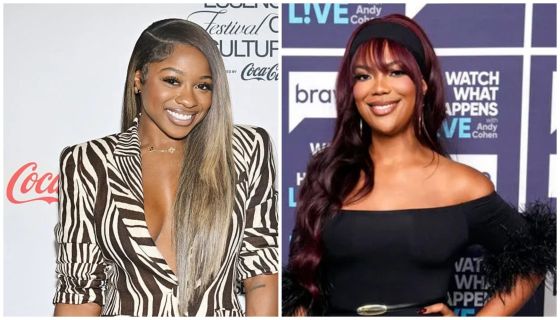
Raven-Symoné is once again stirring up conversations with her recent comments on the identity of the beloved Baxter family from the Disney Channel hit, 'That's So Raven.' The actress addressed the subject on her podcast 'Tea Time with Raven & Miranda,' sparking debates on cultural representation in media when she questioned why her character, Raven Baxter, was perceived as "Black as hell" by some fans. Her remarks have set social media abuzz, as people revisit the nostalgic series that was a staple for many during their formative years. The show was more than just comedy, it was a cultural milestone for Black representation on a major network, and it's clear that Raven's comments have opened up a new chapter in how we engage with and interpret that legacy.
During the episode, Raven-Symoné was joined by former co-star Kyle Massey, who played Cory Baxter. The conversation picked up from a previous discussion where media personality Kalen Allen praised the character Raven Baxter for her cultural authenticity. This prompted Raven-Symoné to challenge that notion, reflecting on how the show, in her view, transcended racial boundaries to become a 'universal' family sitcom. For Raven, the magic of 'That's So Raven' was its capacity to resonate with audiences of all backgrounds, inviting them into the lives of the Baxter family. Her perspective suggests that the show was not just a Black family story, but a narrative that spoke to the shared human experience, making it accessible and relatable to a diverse audience.
Raven-Symoné did acknowledge the show's role in pioneering Black representation on Disney Channel, but her questioning raised eyebrows. The clip that set everything off is below. Her comments prompted a mix of reactions, with some fans expressing disappointment while others appreciated her attempt to broaden the conversation. Regardless of where one stands, it's undeniable that 'That's So Raven' broke new ground by placing a Black girl at the center of a hit series, thereby paving the way for future shows led by Black talent. Raven's reflections offer a fresh lens through which to view the show, challenging us to think about what representation truly means in a multicultural society.
Despite the controversy, Raven-Symoné clarified her stance, affirming her pride in being a Black woman leading a Disney show at a young age. However, she emphasized that the magic of 'That's So Raven' lay in its appeal across cultures. She claimed that audiences worldwide saw themselves in the Baxter family, signaling a universal relatability that, in her opinion, transcended race. Her comments highlight a critical dialogue about the power and purpose of media: Is it primarily to reflect specific cultural realities, or to create shared experiences that unify diverse audiences? For Raven, the answer seems to lean towards the latter, suggesting that the show's true success was its ability to make everyone feel included in the Baxter's world.
However, this isn't Raven-Symoné's first time handling through tricky waters regarding race. Back in 2014, she famously told Oprah Winfrey that she identified as "American" rather than "African-American," a statement that required later clarification. Raven-Symoné has previously discussed these nuances in her identity on platforms like the 'Unplanned' podcast. She addressed it head on in the post below. Her past remarks have consistently stirred discussions about identity politics and the complexities of racial labeling. While her comments often spark debate, they also bring to light the ongoing struggle many face in reconciling personal identity with societal expectations. Raven's journey reflects a broader conversation about what it means to be Black in America today.
The ongoing conversation around representation in media isn't new, and Raven-Symoné's remarks fit into a larger pattern. Shows like 'A Different World' and 'The Fresh Prince of Bel-Air' set the standard in the '90s for how Black families were portrayed on TV, balancing cultural specificity with broader appeal. As the industry evolved, so did the expectations for representation, leading to both praise and scrutiny over how Black characters are crafted. These iconic shows paved the way for complex narratives that showcased Black excellence and struggles, offering a window into the layered lives of Black families. Yet, as Raven-Symoné's comments remind us, the quest for authentic representation is ongoing, urging us to consider how far we've come and how far we still have to go.
So, who gets to decide what feels culturally authentic? Raven-Symoné's comments highlight the ongoing tension between cultural specificity and universal appeal in Black entertainment.
Raven-Symoné's comments highlight the ongoing tension between cultural specificity and universal appeal in Black entertainment.
The real issue isn't just Raven-Symoné's words but the broader conversation about Black representation in mainstream media. Disney and other big networks have historically been criticized for their tokenistic portrayals, with 'That's So Raven' being celebrated for breaking some of those barriers. The show's success laid groundwork for future Black-led Disney Channel shows, but what does it say about the industry's evolution if we're still debating its cultural authenticity? The fact that Raven's comments have reignited this debate suggests that while strides have been made, the industry still grapples with how to genuinely represent Black life without resorting to stereotypes. It challenges networks to not only include diverse faces but also to ensure that their stories are told with depth and dignity.
For audiences, this debate is more than theoretical. It's about visibility, identity, and recognition. Raven-Symoné inadvertently taps into a deeper yearning for complicated representation that reflects the layered nature of Black identity. Her comments have, for better or worse, sparked a dialogue that persists both in Hollywood and within our communities. This conversation is a mirror reflecting our desires for stories that resonate with our lived experiences while also challenging the status quo. As audiences demand more from their media, the pressure mounts on creators and networks to deliver content that not only entertains but also empowers and enlightens. The ongoing dialogue shows the importance of media as a powerful tool for cultural expression and change.
Industry insiders know how PR machines work, and Raven-Symoné's comments may be part of a strategic move to keep her name relevant as she embarks on new projects, like her upcoming memoir detailing her Hollywood experiences. This could very well be a calculated attempt to stir the pot, ensuring that her voice, and her brand, remain significant in conversations about Black culture. In an industry where visibility can often translate into opportunities, Raven's choice to engage in controversial topics may serve as a savvy maneuver to maintain her relevance and influence. As she prepares to release her memoir, these discussions may not only boost her profile but also frame her as a thought leader in ongoing conversations about race, identity, and representation.
Advertisement
Racial dynamics in media have always been fraught with complexity, from casting choices to the stories allowed to be told. As networks remain predominantly white-owned, the power structures often dictate how stories about Black families are produced and perceived. This is more than about media portrayal, it's about who gets to tell those stories and how authentic those narratives feel to the community they're supposed to represent. The struggle for control over Black narratives is an ongoing battle, as creators seek to break free from the constraints imposed by predominantly white gatekeepers. Raven-Symoné's comments highlight this tension, urging us to consider who holds the pen and whose voices are amplified in the stories we consume.
As Raven-Symoné looks to the future, her memoir promises to delve deeper into her experiences and potentially offer more insight into her views on race and identity. It remains to be seen how these revelations will affect her standing in the entertainment industry and among fans. But one thing's for sure: this conversation isn't over, and it challenges us all to think critically about representation, both in front of and behind the camera. Her upcoming memoir may serve as a platform for Raven to address past controversies and clarify her stance on issues that have long been subjects of debate. As the conversation continues, it reminds us of the ongoing need for narratives that reflect the diverse spectrum of Black experiences and identities.