Nelson Clements: What Really Happened Before the Tragic Death of His Estranged Wife
By Marcus Ellison, PowerVault Staff Nelson David Clements, a 64-year-old Georgia man, faces grave charges, including first-degree vehicular homicide, following accusations of having run over his estranged wife, Janice...
Advertisement

By Marcus Ellison, PowerVault Staff
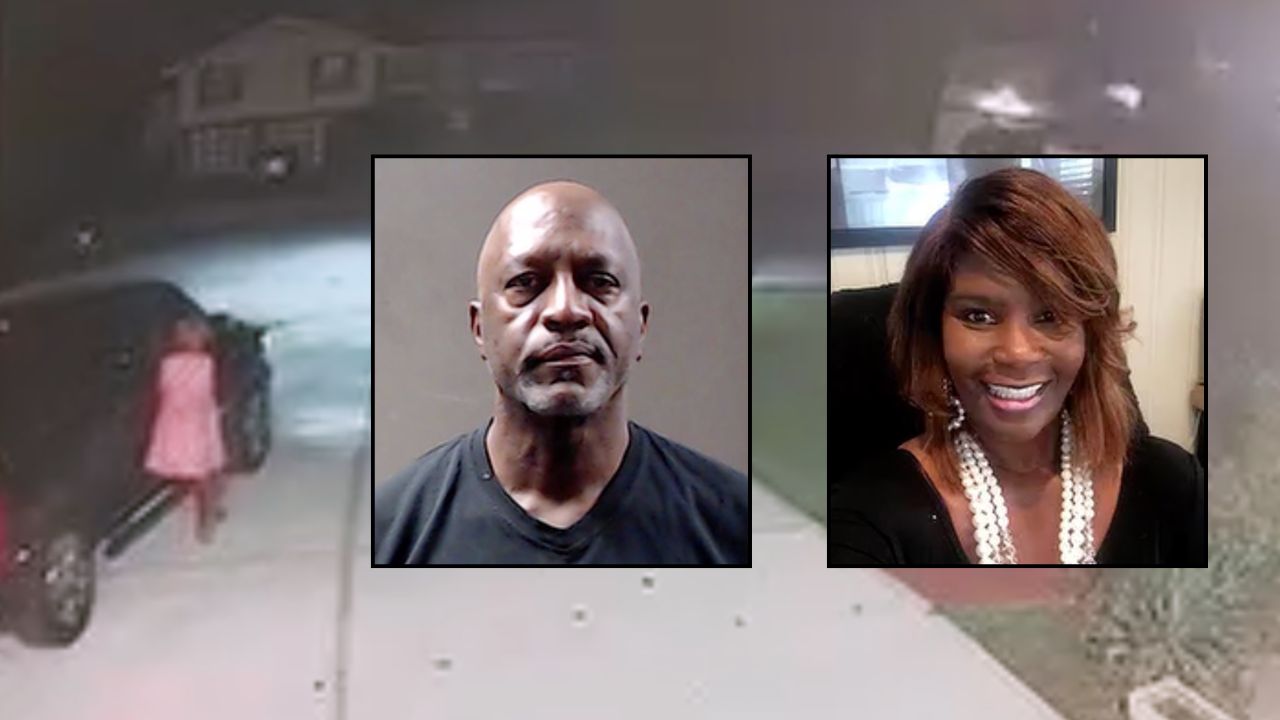
Nelson David Clements, a 64-year-old Georgia man, faces grave charges, including first-degree vehicular homicide, following accusations of having run over his estranged wife, Janice Frazier Clements, with his pickup truck. The severity of these accusations raises critical questions about the adequacy of our justice system: was justice truly served, or did systemic failures leave another Black woman unprotected and vulnerable? The tragic incident reportedly occurred on June 21, when Nelson accelerated his vehicle down the driveway of her home. Disturbingly, he did so with full knowledge that Janice was holding onto the truck's door handle, a detail that shows the deliberate nature of his actions and challenges the narrative of accidentality.
The case, as reported by Law&Crime, has captured public attention due to the appalling sequence of events it describes. Nelson Clements is not only accused of hitting Janice with his truck, but also of dragging her lifeless body back into the home, then waiting over an hour before calling emergency services. The chilling nature of these actions is further accentuated by surveillance footage from a home security camera. According to family members, this footage starkly contradicts Nelson's claims that Janice's death was an unfortunate accident. Instead, it paints a picture of calculated neglect and highlights the critical need for accountability in such devastating cases.
In addition to vehicular homicide, the indictment against Nelson Clements includes a range of charges: reckless driving, hit-and-run resulting in death, stalking, and concealing the death of another. Prosecutors contend that Nelson's failure to offer any immediate assistance to Janice after the collision was not merely an oversight but a deliberate act that obstructed the investigation into her untimely death. The family believes his decision to delay calling 911 was a calculated attempt to obscure the facts surrounding the incident, diminishing the chances of a timely and thorough investigation. The surveillance footage, which has become a focal point in the case, lays bare the grim reality of the events that transpired, challenging any claims of it being an accident.
The surveillance footage, as described by family members, provides a haunting glimpse into the final moments before Janice's tragic death. It reportedly captures Nelson casually walking back towards the house after the incident, a detail that starkly contrasts with any claim of remorse or urgency. Family members believe Janice was attempting to stop him from driving away, suspecting that he had been drinking, a serious allegation that Nelson's attorney disputes by pointing to the absence of police-administered alcohol tests. This video footage significantly undermines Nelson's defense, which frames the incident as a tragic accident rather than a deliberate act of violence. The visual evidence challenges us to consider the weight of actions versus words in the pursuit of justice.
Janice's family has been vocal in their pursuit of justice, highlighting the broader systemic failures that have left many Black women vulnerable to similar tragic fates. They argue that law enforcement's inadequate response to domestic violence cases creates an environment where perpetrators feel emboldened, and victims are left without adequate protection. Their determination to seek justice for Janice shows the urgent need for comprehensive reforms within the systems that are supposed to safeguard victims. This case serves as a stark reminder of the societal issues that continue to plague communities of color, where victims of domestic violence are often failed by the very institutions meant to protect them, perpetuating a cycle of vulnerability and injustice.
The tragic case of Janice Clements is not isolated but rather part of an alarming pattern of violence against women of color, a pattern that remains underreported and inadequately addressed by the justice system. Reflecting on past events such as the 2012 murder of Rekia Boyd or more recently, cases like Katherine Kelly's, we see a recurring theme: a justice system that consistently fails Black women. These cases not only highlight systemic gaps in protection but also serve as grim reminders of the pervasive inequities that persist. They show the urgent need for systemic change to ensure that all women, particularly women of color, receive the protection and justice they deserve, preventing future tragedies.
This is more than about a singular event; it's a reflection of a systemic crisis.
The justice system's apparent oversight reveals a troubling pattern of neglect when it comes to protecting vulnerable Black women.
On the legal front, Nelson Clements' defense team, led by his attorney, argues that Janice's tragic death resulted from her own actions in holding onto his truck. However, this narrative raises profound questions about the responsibilities and obligations of a driver in such situations. By shifting blame onto the victim, this defense diverts attention from the actions of the accused, perpetuating a troubling narrative that often places undue burden on victims. This case challenges us to reconsider how responsibility is allocated within the legal system. It urges a more complicated understanding of accountability, one that acknowledges the complexities of such situations and resists simplistic victim-blaming narratives that obscure the truth.
From a systemic perspective, the justice system's apparent oversight in this case reveals a troubling pattern of neglect when it comes to protecting vulnerable Black women. The lack of immediate substance testing, despite allegations of intoxication, highlights a complacency in conducting thorough investigations when the victims are women of color. Such procedural gaps not only compromise the integrity of individual cases but also erode public trust in law enforcement's ability to dispense justice impartially. This systemic oversight points to a broader issue within the justice system, where racial and gender biases continue to shape the outcomes of investigations, often to the detriment of those who are already marginalized.
For the community, Janice's death is a heart-wrenching reminder of the ongoing struggle for safety and justice. It emphasizes the urgent need for systems that are responsive and protective, particularly for those marginalized by race and gender. The community's response to such tragedies often involves rallying for more effective protective measures, greater accountability, and a justice system that genuinely serves all citizens equitably. Janice's case has galvanized calls for reform, highlighting the necessity of systemic changes that address the unique vulnerabilities faced by women of color, ensuring that their safety and justice are prioritized within the broader societal framework.
Advertisement
Behind Janice's story lies a complex web of social dynamics involving race, gender, and power. The intersections of race and domestic violence create a unique vulnerability that the justice system frequently overlooks. Examining how these factors play out in cases like Janice's reveals that racial biases and systemic inequalities continue to influence outcomes, often to the detriment of Black women. This case challenges us to confront the uncomfortable realities of how systemic racism and gender discrimination intersect, perpetuating cycles of violence and injustice. It shows the need for a justice system that recognizes and addresses these intersecting issues comprehensively.
Looking ahead, the community eagerly anticipates answers as the legal process unfolds. Janice's family and supporters are hopeful for a resolution that includes substantial reforms in handling domestic violence cases, particularly where racial and gender biases might be at play. As the community seeks justice for Janice, we are reminded of the essential need for change to prevent future tragedies. Each case like Janice's adds urgency to the call for systemic change, challenging us to reconsider our roles in advocating for a fairer, more equitable future. It compels us to demand a justice system that truly serves and protects all its citizens, ensuring that such tragedies are not repeated.