Yella Beezy's Murder Trial: The Complex Case Behind Mo3's Death
By Renee Fontaine, PowerVault Staff Yella Beezy, whose birth name is Markies Conway, finds himself at the center of a legal battle that has captured public attention and cast a spotlight on the hip-hop community. He s...
Advertisement

By Renee Fontaine, PowerVault Staff
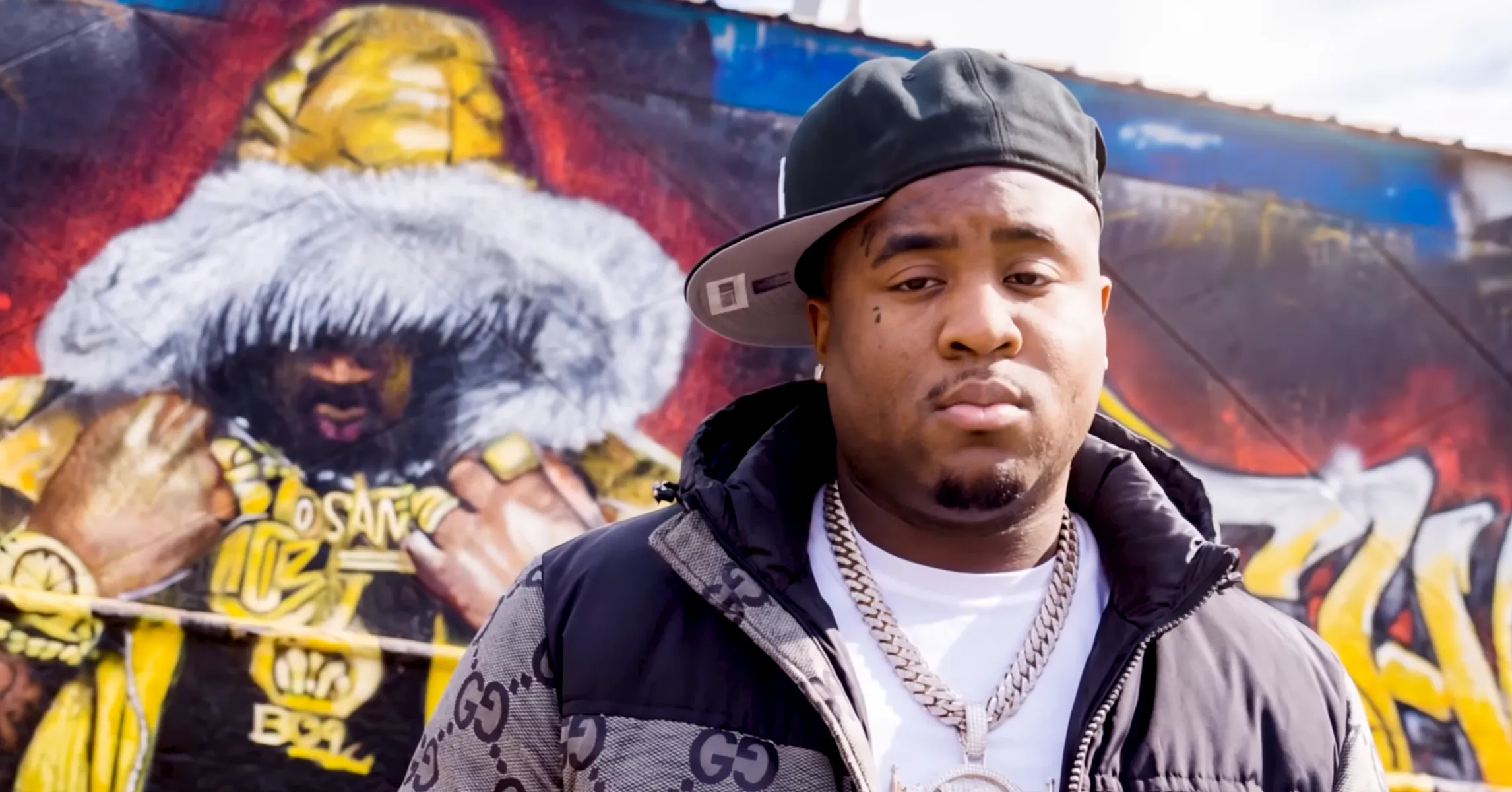
Yella Beezy, whose birth name is Markies Conway, finds himself at the center of a legal battle that has captured public attention and cast a spotlight on the hip-hop community. He stands accused of orchestrating the murder of fellow Dallas rapper Mo3, born Melvin Noble, in what prosecutors describe as a meticulously planned highway attack in November 2020. The case has resonated deeply within the hip-hop world, where rivalries can sometimes transcend the music and spill into real-world violence. Beezy's trial is not just a personal reckoning but a turning point for an industry grappling with its own complex dynamics. The stakes are enormous, with the possibility of life imprisonment without parole looming over Beezy if found guilty, making this trial a defining moment in his career and life.
As reported by Fox 4 Dallas-Fort Worth, Nichole Noble, the mother of Mo3, shared her heart-wrenching experience on the stand, recounting the tragic sequence of events that led to her son’s untimely death. She initially believed her son was in California, occupied with filming a music video, only to be blindsided by the devastating reality of his murder after discovering numerous missed calls. Nearly six years have passed since that fateful morning, yet the emotional weight of her testimony remains palpable. In court, she recounted her desperate efforts to persuade detectives to consider Yella Beezy, as well as other individuals like Trapboy Freddy, as key figures in the investigation. Her testimony underscored a mother's relentless pursuit of justice, driven by an unwavering belief in the importance of a thorough and unbiased inquiry into her son’s murder.
The prosecution unfolded a narrative punctuated by chilling details, painting a stark picture of the alleged conspiracy to murder Mo3. They argue that Yella Beezy financially backed Kewon White, the man already convicted of shooting Mo3, to carry out the heinous act. Prosecutor Tommy Adams depicted a premeditated and calculated attack, aiming to convince the jury of Beezy's culpability. However, the defense mounted a robust challenge, scrutinizing the financial evidence presented by the prosecution. They questioned the credibility and consistency of the financial records, suggesting that discrepancies cast doubt on the prosecution's assertions. The courtroom proceedings, captured in the video below, showcase the intense legal battle as both sides present their arguments in a bid to sway the jury's verdict.
Defense attorney Toby Shook has taken a critical stance against what he perceives as a narrow and premature focus by the Dallas police on Yella Beezy, potentially at the expense of exploring other plausible suspects. Shook's strategy centers on dissecting the financial trail that prosecutors claim ties Beezy to the crime. By highlighting inconsistencies in the financial transactions, he seeks to undermine the prosecution's narrative and suggest alternative interpretations. This approach aims to cast reasonable doubt on the prosecution's claims, emphasizing the need for a comprehensive investigation that considers all possible angles. The defense's contention that the police investigation was biased or incomplete adds another layer of complexity to an already intricate legal battle, with Beezy's freedom hanging in the balance.
On the day Mo3 was tragically killed, a mix of eyewitness testimonies and forensic evidence began to weave the narrative that now plays out in the courtroom. Spectators heard firsthand accounts from motorists who witnessed the shocking event unfold on Interstate 35E, providing vivid descriptions of the attack. These testimonies form a crucial component of the prosecution's case, bolstered by 911 recordings and surveillance footage that capture the chaos and violence of that day. The weight of this evidence aims to establish a timeline and a chain of events that directly implicate Beezy in the murder. As each witness takes the stand, the trial continues to unravel the complexities of the case, offering new revelations that both captivate the audience and contribute to the ongoing quest for justice.
This trial is emblematic of a deeper, troubling trend within the rap industry, where personal and professional rivalries too often escalate into violence with fatal consequences. The tragic deaths of Tupac Shakur in 1996 and The Notorious B.I.G. In 1997 are haunting reminders of how artistic feuds can become deadly. More recently, the murder of Nipsey Hussle in 2019 has highlighted the persistent threats faced by artists within the industry. These incidents are not isolated anomalies but part of a broader, disturbing pattern that shows the need for a critical examination of systemic issues within hip-hop. At the heart of these tragedies lies a complex interplay of fame, ego, and unresolved tensions, demanding urgent attention and action to prevent future losses.
But this case is more than just an echo of history.
This case is a stark reminder of the dangers and complexities within the hip-hop industry, where personal beefs can escalate into deadly encounters.
The allegations against Yella Beezy bring to light the often unseen yet deeply felt tensions that permeate the music industry, particularly within hip-hop. Personal disputes, frequently exacerbated by the pressures of social media and the need to maintain a certain public persona, can escalate rapidly, leading to irreversible consequences. In this case, the alleged orchestration of Mo3's murder serves as a stark reminder of the very real dangers that lurk beneath the surface of the hip-hop world. The industry, while celebrated for its creativity and cultural impact, is also a space fraught with complexities, where personal and professional conflicts can spiral out of control. This trial shows the urgent need for introspection and reform within the industry to address these underlying issues.
For the community, the trial serves as a reflection of broader societal challenges that disproportionately affect marginalized groups, particularly in their interactions with law enforcement. The handling of high-profile cases involving Black victims and suspects often raises significant questions about potential bias and the thoroughness of investigations. This trial, in many ways, acts as a microcosm of larger systemic failures within the justice system, where the pursuit of justice can feel frustratingly out of reach. The community's experience with these systemic issues highlights the need for meaningful reforms that ensure fair treatment and accountability. As the trial progresses, it offers a moment of introspection and a call to action to address the inequities that persist within the justice system.
The courtroom proceedings lay bare the fragile relationship between the hip-hop community and law enforcement, a relationship marked by historical tensions and mutual distrust. In high-stakes cases like Mo3's, the initial stages of investigation can appear skewed, often adhering to familiar narratives rather than conducting a comprehensive exploration of all possibilities. This perceived bias undermines trust and exacerbates existing tensions between communities of color and law enforcement agencies. The trial shows the critical need for investigations that are not only thorough but also equitable, ensuring that all avenues are explored and that justice is served impartially. Restoring trust requires a commitment to transparency and accountability, paving the way for a justice system that works for all.
Advertisement
The dynamics at play in this trial extend beyond the individuals involved, touching on the broader industry of hip-hop, which often thrives on rivalry and spectacle. Beneath the glamorous exterior of the music industry lies an undercurrent of competition and tension, where the stakes are high, and the pressure is relentless. These dynamics can create an environment where unresolved conflicts simmer and, at times, boil over into violence. The trial serves as a sobering reminder of the real dangers that accompany the pursuit of fame and success, highlighting the need for a cultural shift toward conflict resolution and support within the industry. This case challenges us to confront the uncomfortable realities that exist within the world of hip-hop.
As the trial unfolds, the focus remains on the courtroom presided over by Judge Chika Anyiam, where the future of Yella Beezy and the reverberations on the families involved hang in the balance. A conviction would result in life imprisonment without parole for Beezy, a verdict that would have profound implications not only for him but also for the broader community and the music industry. This trial prompts us to reflect on the cultural and systemic factors that contribute to such tragedies. It calls for a collective examination of the justice system and the music industry, urging us to remain vigilant and proactive in addressing the underlying issues that allow violence and injustice to persist.